

Career Skills Mismatch: Surprising Expert Advice on the Skills Gap
Discover surprising expert advice on career skills mismatch and the skills gap truth. Learn practical strategies to bridge the gap effectively.
 Emily Johnson
Introduction
Key Takeaways
- A skills gap represents the difference between current employee capabilities and the skills required for effective job performance
- Skills mismatches occur when candidates' competencies don't align with position requirements, affecting both technical and soft skills
- The majority of organizations recognize they currently face or will soon face skills gaps in their workforce
- Understanding the skills gap truth is essential for career advancement and professional development
- Proactive skills development and honest self-assessment are critical strategies for bridging career skills mismatch
In today's rapidly evolving job market, the conversation around career skills mismatch has become impossible to ignore. I've spent over a decade in recruitment and talent acquisition, and throughout my career, I've encountered a recurring theme: the skills gap truth that nobody wants to admit. The reality is that many talented professionals find themselves facing unexpected challenges not because they lack dedication or intelligence, but because there's a fundamental disconnect between their current capabilities and what employers actually need.
A skills gap is the difference between the capabilities employees currently have and the skills required to perform their roles effectively. This isn't just about missing a certification or two—it's about understanding where you truly stand in the competitive landscape. Early in my career, I vividly remember working with a highly qualified candidate who, on paper, seemed perfect for a role. However, during the interview, it became clear that there was a career skills mismatch: the candidate possessed the technical skills but lacked the soft skills crucial for the job.
The statistics paint a sobering picture of the current landscape. Research shows that a significant majority of organizations are already aware they have skills gaps or anticipate developing them in the near future. A skills mismatch occurs when the skills and competencies possessed by job candidates don't align with the requirements and expectations of the position. This misalignment affects everyone—from recent graduates entering the workforce to seasoned professionals navigating career transitions.
What makes this issue particularly challenging is that it's often invisible until it's too late. You might be investing time and energy into developing skills that seem valuable, only to discover they don't translate into the opportunities you're seeking. The good news? Recognizing the problem is the first step toward solving it. By understanding the true nature of skills gaps and taking strategic action, you can position yourself for meaningful career growth and long-term success.
Sources
Understanding the Skills Gap Truth
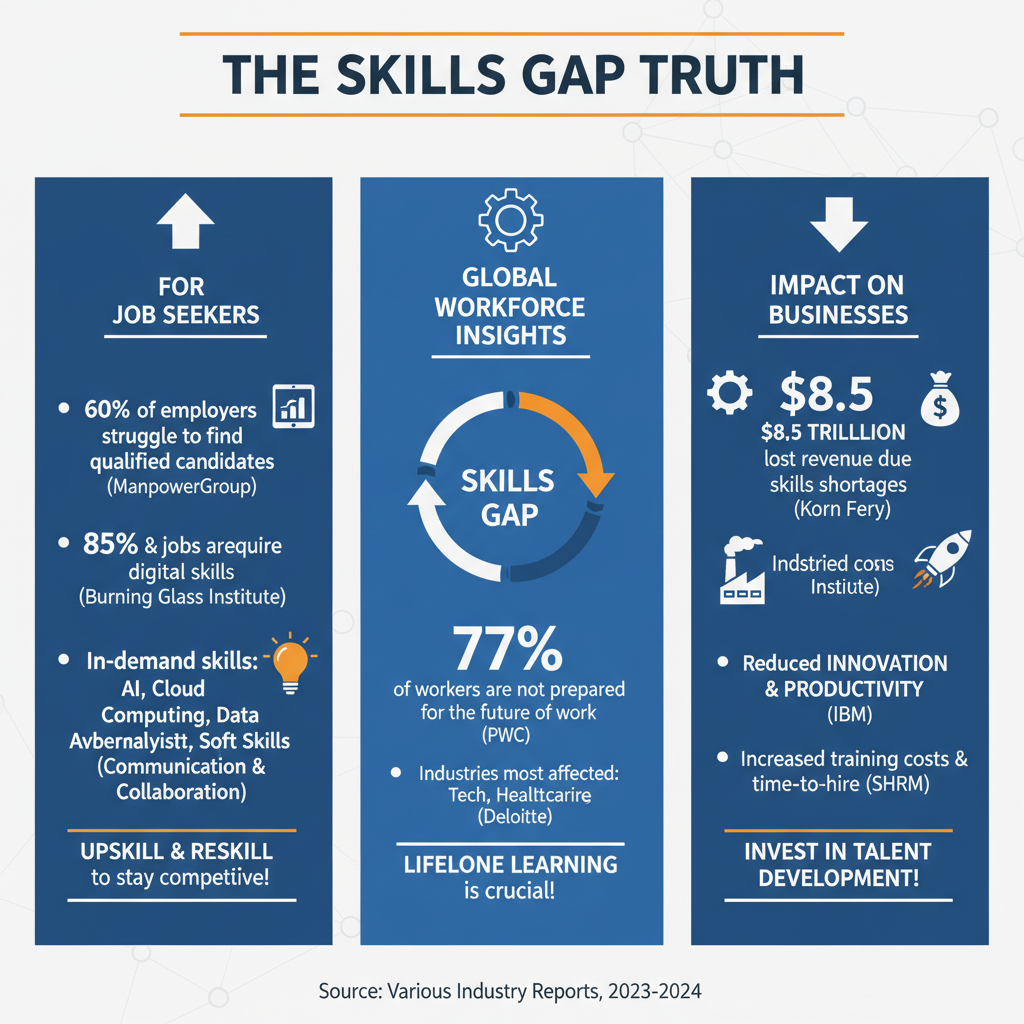
The skills gap truth is a reality that affects both job seekers and employers across industries. At its core, this phenomenon describes the disconnect between the skills that workers possess and the competencies that employers actually need. It's not just about lacking technical knowledge—it's about the widening chasm between what organizations know about their workforce capabilities and what the market demands.
This gap has become increasingly consequential in today's rapidly evolving job market. According to recent research, only 14% of business executives strongly agree their organization uses workforce skills to their fullest potential. This statistic reveals a troubling truth: even when talent exists within organizations, companies struggle to identify, deploy, and maximize those capabilities effectively.
The Real-World Impact on Job Seekers
For professionals navigating their careers, the skills gap creates unique challenges. You might possess valuable experience and credentials, yet still find yourself overlooked for positions that seem like a perfect fit. The issue often isn't a lack of ability—it's that your skill set doesn't align precisely with what employers are actively seeking in the current market.
This misalignment affects hiring timelines, career progression, and even salary negotiations. When organizations can't find candidates with the right mix of skills, positions remain unfilled longer, and qualified professionals continue searching for opportunities that match their capabilities.
Organizational Consequences
From the employer perspective, the skills gap truth presents equally significant challenges. Companies face difficulty filling critical roles, which can slow project timelines, limit innovation, and impact competitive positioning. The gap between available talent and required competencies forces organizations to make difficult decisions about hiring, training investments, and workforce planning.
Continuous investment in employee development, such as onboarding programs and ongoing training, has become vital to prevent these mismatches from widening further. Organizations that recognize this truth early and adapt their talent strategies accordingly position themselves for better outcomes.
Why the Gap Continues to Widen
Several factors contribute to the expanding skills gap. Technology evolves faster than traditional education and training programs can adapt. Industry requirements shift as business models transform. The half-life of technical skills continues to shrink, meaning what you learned five years ago may already be outdated.
Additionally, the rise of cross-functional roles means employers increasingly seek candidates with diverse skill combinations that weren't previously required. This complexity makes it harder for both job seekers to know which skills to develop and for employers to clearly articulate their needs.
Moving Forward with Awareness
Understanding the skills gap truth is the first step toward addressing it effectively. For job seekers, this awareness means taking a proactive approach to skills development rather than waiting for gaps to become obvious. For organizations, it means rethinking how they assess, develop, and deploy talent within their workforce.
The good news is that recognizing this reality creates opportunities for strategic action. By acknowledging the gap exists and understanding its implications, both individuals and organizations can make more informed decisions about training, hiring, and career development.
Sources
Career Skills Mismatch: A Common Challenge

Career skills mismatch isn't a rare occurrence—it's a widespread challenge affecting both job seekers and employers across industries. When candidates possess qualifications that don't align with what positions actually require, the hiring process becomes frustrating for everyone involved. This disconnect creates bottlenecks that slow down recruitment and leave talented professionals stuck in prolonged job searches.
The numbers tell a compelling story. Recent data shows that 75% of employers report difficulties in filling roles, a figure that reflects how pervasive this mismatch has become. This isn't just about unfilled positions—it's about the fundamental gap between what candidates bring to the table and what organizations genuinely need.
The Financial Impact of Mismatched Hiring
The consequences of career skills mismatch extend far beyond inconvenience. In the United States, skills mismatches result in an average annual cost of approximately $15,000 for bad hires. When a good employee leaves due to job dissatisfaction stemming from a poor fit, that cost doubles to around $30,000. These aren't just abstract numbers—they represent real resources that could be invested in training, development, and retention.
On a global scale, the economic implications are staggering. The worldwide economic consequences of skills mismatches were estimated at approximately $8 trillion in unrealized GDP for the world economy in 2018. This massive figure underscores how critical it is to address the alignment between workforce capabilities and market demands.
Why Mismatches Persist
Several factors contribute to ongoing career skills mismatch. Job descriptions often emphasize technical requirements while undervaluing the soft skills that make someone successful in a role. Candidates may focus on building credentials without understanding the practical applications employers prioritize. Additionally, rapid technological changes mean that what was relevant two years ago may no longer be sufficient today.
Educational programs sometimes lag behind industry needs, creating graduates with outdated skill sets. Meanwhile, experienced professionals may find their expertise doesn't translate directly to emerging roles that blend traditional functions with new technologies. This creates a cycle where both entry-level and seasoned candidates struggle to find their fit.
Breaking the Cycle
Addressing career skills mismatch requires honest self-assessment and strategic action. Professionals need to look beyond their resume bullets and ask whether they can actually perform the work being advertised. Employers, in turn, must clarify what success truly looks like in their roles and communicate those expectations clearly.
The good news is that skills mismatch is not a permanent condition. With targeted development, realistic goal-setting, and a willingness to adapt, professionals can bridge these gaps and position themselves as strong candidates in a competitive market.
Sources
Job Market Reality: What You Need to Know
The job market today is experiencing a fundamental structural shift that goes beyond typical economic cycles. Understanding this reality is crucial for anyone looking to advance their career or transition into new roles. The landscape is changing rapidly, and what worked even a few years ago may no longer be sufficient.
One of the most significant factors reshaping the workforce is demographic change. With 10,000 Baby Boomers retiring every day until 2029, organizations are facing unprecedented knowledge and experience gaps. This mass exodus of seasoned professionals is creating opportunities, but it's also exposing a critical mismatch between available talent and employer needs.
The Structural Imbalance in Today's Labor Market
Recent tracking of over 150 million professional profiles and 100 million job postings reveals a persistent structural imbalance in the labor market. This isn't simply about too many candidates chasing too few jobs, or vice versa. Instead, it's about a fundamental disconnect between the skills employers are seeking and the skills job seekers currently possess.
This mismatch manifests in several ways. Employers struggle to fill positions even when unemployment rates are relatively stable. Candidates with impressive credentials find themselves overlooked because their skill sets don't align precisely with evolving job requirements. The result is frustration on both sides of the hiring equation.
The Hidden Cost of Career Skills Mismatch
When professionals enter roles without the right skill foundation, the consequences extend beyond individual performance. Employees today expect continuous growth and development opportunities. When they feel under-equipped due to persistent knowledge gaps, disengagement increases significantly, leading to higher attrition rates.
This creates a vicious cycle. Organizations invest in recruitment, only to lose talent when employees realize they lack the support or skills needed to succeed. Meanwhile, professionals find themselves stuck, uncertain how to bridge the gap between where they are and where they need to be.
Adapting to the New Normal
The key to navigating this reality is acknowledging that skills development must be ongoing and strategic. Rather than viewing your skill set as fixed, approach it as dynamic and continuously evolving. Identify where market demand is heading, not just where it is today.
Pay attention to emerging trends in your industry. Are certain technical skills becoming table stakes? Are employers increasingly emphasizing particular soft skills? The answers to these questions should inform your professional development priorities.
Remember that the job market reality isn't static. What's in demand shifts as technology advances, business models evolve, and economic conditions change. Your ability to adapt and grow alongside these changes will determine your long-term career success.
Sources
The Importance of Soft Skills in the Workplace
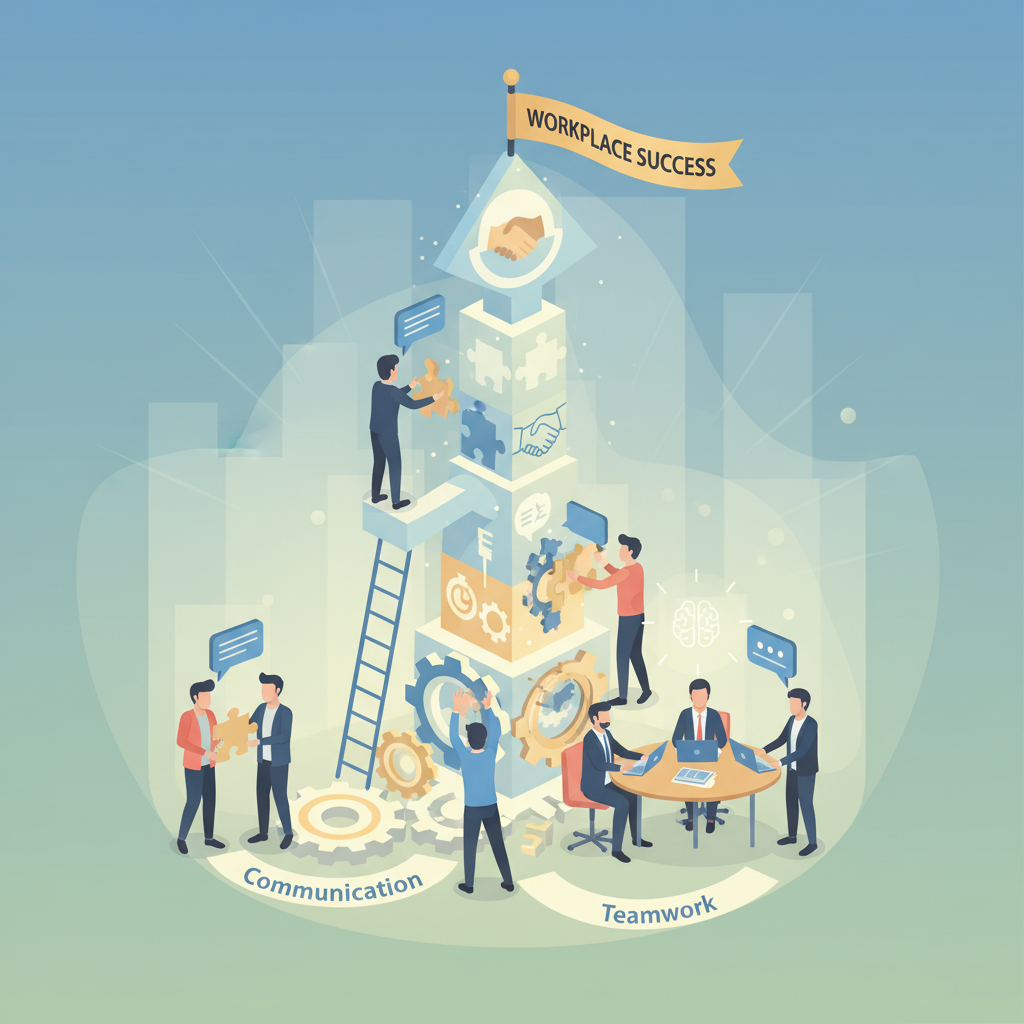
When we talk about career success, the conversation often centers on technical expertise and hard skills. However, the reality is that soft skills play an equally critical role in determining whether you'll thrive in your career. Communication, adaptability, emotional intelligence, and teamwork are the foundational elements that enable you to apply your technical knowledge effectively in real-world situations.
Many professionals underestimate how much employers value these interpersonal abilities. You might be the most technically proficient person in the room, but if you can't collaborate with colleagues, adapt to changing circumstances, or communicate your ideas clearly, you'll struggle to advance. The workplace demands a balanced skill set that goes beyond what's listed on your resume.
Why Soft Skills Matter More Than Ever
The modern job market increasingly recognizes that skills-based hiring practices should account for the full spectrum of abilities a candidate brings to the table. While technical competencies get you in the door, soft skills determine how far you'll go once you're inside. Employers are looking for individuals who can navigate complex team dynamics, lead with empathy, and remain resilient under pressure.
These abilities aren't just nice-to-have extras—they're essential for career longevity. As automation and technology continue to evolve, the human elements of work become more valuable. Your ability to build relationships, influence others, and think critically in ambiguous situations sets you apart in ways that technical skills alone cannot.
Developing Your Soft Skills Intentionally
The good news is that soft skills can be developed with intentional practice and commitment. Start by seeking feedback from colleagues and supervisors about your communication style and interpersonal effectiveness. This honest input helps you identify specific areas for improvement.
Consider investing in ongoing training opportunities that focus on these competencies. Whether it's through workshops, coaching, or online courses, continuous investment in employee development ensures you're building the well-rounded skill set today's employers demand. Practice active listening in meetings, volunteer for cross-functional projects, and put yourself in situations that challenge your comfort zone.
Remember that building soft skills is an ongoing journey, not a one-time achievement. The professionals who excel are those who recognize that technical expertise and interpersonal abilities must work in tandem to create genuine career success.
Sources
Strategies for Effective Skills Development
Bridging the skills gap requires intentional effort and a commitment to continuous learning. The good news is that there are practical, actionable strategies you can implement today to close the gap between where you are and where you need to be. Whether you're addressing technical deficiencies or building essential soft skills, a structured approach makes all the difference.
Embrace Continuous Learning and Upskilling
The foundation of effective skills development is a mindset of lifelong learning. The job market evolves rapidly, and staying relevant means continuously updating your skill set. This doesn't necessarily require formal education—online courses, certifications, workshops, and webinars offer flexible, targeted learning opportunities. Identify the specific skills your industry values most and prioritize those in your development plan.
Consider creating a personal learning roadmap that aligns with your career goals. Set quarterly or annual targets for acquiring new competencies, and track your progress. This structured approach ensures you're not just learning randomly but strategically building the capabilities that will advance your career.
Build Strategic Professional Networks
Networking isn't just about finding job opportunities—it's a powerful tool for skills development. Connecting with professionals in your field exposes you to new perspectives, industry trends, and best practices. Join professional associations, attend industry conferences, and participate in online communities where you can learn from peers and mentors.
These relationships often provide informal learning opportunities that formal education can't match. A conversation with an experienced colleague might reveal practical techniques or insights that accelerate your development far more effectively than a textbook.
Seek Feedback and Self-Assessment
One of the most overlooked strategies for skills development is actively seeking feedback. Regular performance reviews, peer assessments, and even informal check-ins with supervisors can reveal blind spots you might not recognize on your own. Be open to constructive criticism and view it as valuable data for your growth.
Self-assessment is equally important. Periodically evaluate your skills against job descriptions for roles you aspire to. Identify gaps honestly and create action plans to address them. This proactive approach ensures you're always moving forward rather than waiting for external validation.
Align Development with Business Strategy
To maximize the impact of your skills development, align your learning with broader business needs and industry trends. Understanding where your organization or industry is headed allows you to develop skills that will be in high demand. This strategic alignment not only makes you more valuable but also demonstrates forward-thinking to current and potential employers.
Encouraging a culture of ongoing learning—both personally and within your workplace—creates momentum that benefits everyone. When skills development becomes a shared priority, the entire organization becomes more adaptable and competitive.
Sources
Embracing the Skills Gap Truth for Career Growth
Facing the reality of a career skills mismatch isn't easy, but it's one of the most powerful steps you can take for your professional development. The uncomfortable truth is that most of us have skill gaps we'd rather not acknowledge. Whether it's a technical competency that's fallen behind industry standards or a soft skill that needs refinement, denial only delays progress.
Why Acknowledging Your Gaps Matters
The first step toward meaningful growth is honest self-assessment. When you recognize where your skills fall short, you gain clarity on what needs attention. This awareness transforms vague career frustration into actionable development goals. Organizations that proactively address skill gaps consistently outperform those that react too late, and the same principle applies to individual careers.
Rather than viewing gaps as failures, reframe them as opportunities. Every skill you lack today is a potential area for competitive advantage tomorrow. The professionals who advance most quickly are often those who seek out uncomfortable feedback and act on it decisively.
Taking Proactive Steps Forward
Identifying skill gaps early allows you to act strategically rather than scramble when opportunities arise. Start by conducting a personal skills inventory against your target roles. Compare your current capabilities with job descriptions in your desired field, noting both technical requirements and behavioral competencies.
Seek feedback from trusted colleagues, mentors, or managers. Ask specific questions about areas where you could improve, and resist the urge to defend yourself. This external perspective often reveals blind spots you'd never identify on your own.
Building a Growth Mindset
Embracing the skills gap truth requires cultivating resilience and curiosity. Adopt a mindset where learning is continuous, not finite. Set aside time each week for skill development, whether through online courses, industry reading, or practice projects. Small, consistent efforts compound over time into significant capability gains.
Remember that everyone—from entry-level professionals to senior executives—has areas for improvement. The difference between those who stagnate and those who thrive often comes down to willingness to face uncomfortable truths and take action. Your career trajectory depends not on where you are today, but on your commitment to closing the gaps that matter most.
Sources
Conclusion
Navigating the career skills mismatch requires honesty, self-awareness, and a commitment to continuous growth. Throughout this guide, we've explored the uncomfortable truths about the skills gap—from the reality that technical expertise alone isn't enough, to the critical importance of soft skills in today's workplace. The data speaks clearly: when hiring managers struggle to fill roles and make hiring mistakes in significant numbers, it signals a fundamental disconnect between what professionals offer and what employers truly need.
The path forward begins with honest self-assessment. Take time to evaluate not just your technical capabilities, but also your communication skills, adaptability, and emotional intelligence. These soft skills often make the difference between a good candidate and the right hire. Seek feedback from colleagues, mentors, and supervisors to identify blind spots you might not see on your own.
Moving Forward with Purpose
Skills development is not a one-time achievement but an ongoing journey. The job market continues to evolve, and staying relevant means embracing lifelong learning. Whether through formal training, online courses, networking opportunities, or mentorship relationships, invest in closing the gaps you've identified. Remember that acknowledging a skills mismatch isn't a weakness—it's the first step toward meaningful career growth.
Throughout my years in recruitment, I've seen countless professionals transform their careers by facing these truths head-on. Those who regularly assess their skills, seek honest feedback, and take proactive steps to improve consistently outperform those who rely solely on past achievements. The professionals who succeed are those who understand that the skills gap truth applies to everyone, and that continuous development is the key to long-term career success.
Take action today. Identify one skill area where you could improve, and commit to a concrete development plan. Your future career success depends not on avoiding the uncomfortable truths about skills gaps, but on embracing them and using them as fuel for growth.
Sources

Written by
Emily Johnson
Published May 5, 2026 · 18 min read
Emily Johnson is a seasoned career strategist with over a decade of experience in recruitment and talent acquisition. With a background in human resources, she excels at helping professionals refine their job search strategies, from crafting compelling resumes to mastering interview techniques. As an expert in Applicant Tracking Systems (ATS), Emily is dedicated to guiding individuals toward their dream careers.
Want this kind of read on your résumé?
We'll tell you what's actually working, what's holding you back, and what to fix — in plain English.
Get My Job Match Score