

Interview Skills: 9 Essential Ways for Effortless Success
Discover how continuous learning enhances interview skills. Learn 9 essential ways to achieve effortless success in your interview preparation today.
 Emily Johnson
Introduction
Key Takeaways
- Continuous learning is essential for staying competitive and confident in interviews
- Outdated knowledge can undermine even the strongest qualifications and resumes
- Transforming interview preparation through ongoing education leads to meaningful conversations with employers
- A structured approach to learning enhances both technical expertise and soft skills
- Staying current with industry trends positions you as a forward-thinking candidate
Early in my career, I learned a lesson that would fundamentally change how I approach interviews. I walked into what seemed like a perfect opportunity—my resume was strong, my qualifications aligned, and I felt prepared. Then came the question about recent industry trends that caught me completely off-guard. Despite my credentials, my lack of updated knowledge became glaringly obvious, and I watched the interviewer's enthusiasm fade.
That moment was my wake-up call. I realized that having impressive experience on paper wasn't enough if I couldn't demonstrate current, relevant knowledge. The professional landscape evolves rapidly, and standing still meant falling behind. I committed to continuous learning as my core preparation strategy, and it transformed not just my interview performance, but my entire career trajectory.
The power of continuous learning extends far beyond memorizing facts or cramming before an interview. It's about cultivating genuine expertise, building authentic confidence, and developing the ability to engage in substantive conversations with potential employers. When you consistently invest in expanding your knowledge, you shift from reactive answering to proactive dialogue.
This approach changed how I viewed interviews entirely. Instead of seeing them as interrogations where I needed to prove myself, I began approaching them as collaborative discussions about mutual fit and shared goals. My preparation became richer, my responses more nuanced, and my confidence unshakeable because it was rooted in real understanding rather than rehearsed scripts.
In this guide, you'll discover nine essential ways to leverage continuous learning for interview success. These strategies will help you stay current with industry developments, master both technical and interpersonal skills, and transform your interview preparation from a source of anxiety into a competitive advantage. Whether you're preparing for your first interview or your fiftieth, these techniques will help you approach every opportunity with the knowledge and confidence that employers value most.
Why Continuous Learning Matters for Interview Success
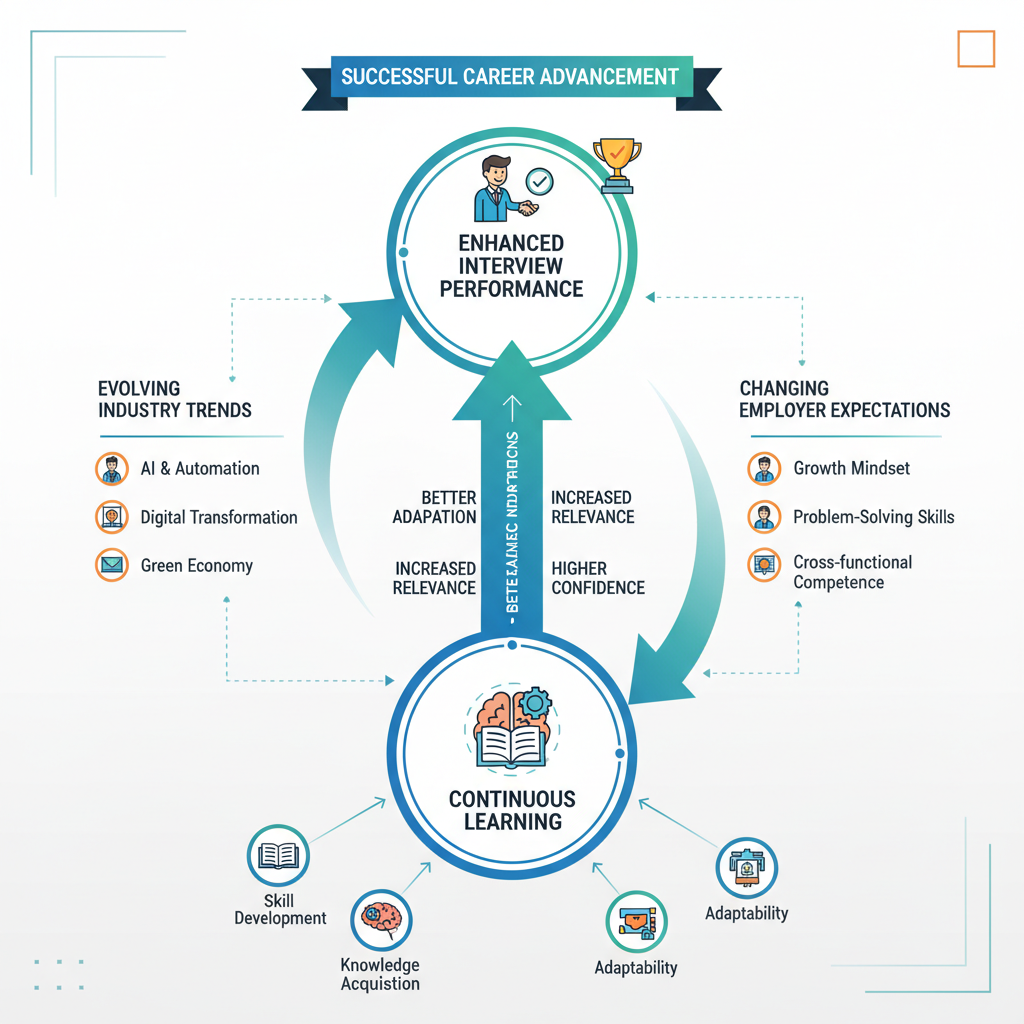
The modern hiring landscape has transformed dramatically. Today's interviews assess far more than technical competence—they evaluate adaptability, problem-solving abilities, communication skills, emotional intelligence, and alignment with organizational goals. Candidates who invest in continuous learning position themselves to meet these evolving expectations with confidence and credibility.
Industries no longer remain static. Technologies emerge, market dynamics shift, and employer priorities evolve at an unprecedented pace. When you commit to ongoing education, you stay ahead of these changes rather than scrambling to catch up during interview preparation. This proactive approach ensures you can speak knowledgeably about current trends and demonstrate genuine engagement with your field.
How Knowledge Gaps Become Visible Under Pressure
Interview settings magnify what you don't know. A hiring manager's question about recent industry developments or emerging best practices can quickly reveal whether you've stayed current. Continuous learners navigate these moments smoothly, drawing on recent insights and demonstrating their commitment to professional growth. Those who haven't kept pace often struggle to provide substantive responses, which raises concerns about their long-term value to the organization.
The pressure of an interview amplifies every gap in your knowledge base. When you've actively pursued learning opportunities, you build a reservoir of information to draw from naturally. This preparation transforms potentially difficult questions into opportunities to showcase your expertise and curiosity.
Adapting to Technology-Driven Hiring Processes
With 89% of companies now using AI in their hiring processes, candidates must understand how technology shapes the interview experience. Continuous learning helps you adapt to digital professionalism requirements, virtual conversation dynamics, and body language considerations that matter in both video and in-person settings. These skills have become essential components of interview success in 2026.
Employers increasingly value candidates who demonstrate intellectual curiosity and a growth mindset. When you can discuss what you've recently learned or how you've expanded your skill set, you signal that you'll continue developing after being hired. This quality distinguishes you from candidates who view learning as something that ended with formal education.
Building a Foundation for Meaningful Dialogue
Continuous learning transforms how you approach interviews. Instead of simply answering questions, you engage in substantive conversations about industry challenges, innovative solutions, and strategic opportunities. This shift in perspective helps you stand out as someone who can contribute immediately and grow with the organization over time.
Your commitment to ongoing education also builds the confidence needed to perform well under pressure. When you know you've invested in staying current, you enter interviews with assurance rather than anxiety. This confidence shows in your body language, vocal tone, and ability to think clearly when responding to challenging questions.
Sources
- How to Prepare for a Job Interview in 2026: A Recruiter's Perspective
- How to Do the Best Job Interview: Ultimate 2026 Guide to Acing It
Staying Current with Industry Trends and Market Dynamics
Interviewers expect candidates to demonstrate awareness of the industry landscape, not just the specific role. When you walk into an interview armed with current knowledge about market trends, emerging technologies, and competitive dynamics, you signal that you're already thinking like an insider. This preparation transforms you from someone seeking a job into someone ready to contribute from day one.
Why Industry Knowledge Elevates Your Interview Skills
Staying informed about your target industry serves multiple purposes during interviews. It helps you craft more relevant examples, ask intelligent questions, and engage in meaningful dialogue about the company's challenges and opportunities. When you can reference recent developments or industry shifts, you demonstrate genuine interest and strategic thinking—qualities every employer values.
This knowledge also protects you from appearing out of touch. Nothing undermines credibility faster than being unaware of a major industry development that directly affects the role you're pursuing.
Building Your Research Foundation
Before interviewing, learn more about your potential employer to show genuine interest and preparedness. Start by creating a systematic research approach that covers multiple dimensions of the industry and organization.
Consider building a Role Map from job descriptions across similar positions. This exercise helps you identify common tools, skills, and competencies that employers consistently seek. By analyzing patterns across multiple postings, you'll understand what the market truly values and can speak to those priorities during interviews.
Your research checklist should include:
- Team priorities and current projects: What challenges is the department facing?
- Business model and revenue streams: How does the company make money?
- Competitive landscape: Who are the main competitors and what differentiates this organization?
- Recent news and announcements: Product launches, partnerships, leadership changes
- Industry trends: Regulatory changes, technological disruptions, market shifts
Practical Ways to Stay Informed
Develop a consistent routine for consuming industry information. Subscribe to relevant trade publications, follow thought leaders on professional networks, and join industry-specific groups where practitioners share insights. Set aside time each week to review news and analysis related to your target field.
Attend webinars, virtual conferences, and local meetups when possible. These events not only provide current information but also expose you to the language and priorities that professionals in your field use daily. You'll naturally absorb terminology and frameworks that will make your interview responses sound more authentic.
Consider setting up alerts for key companies, competitors, and industry topics. This ensures you're notified immediately when significant developments occur, allowing you to reference recent events during interviews.
Translating Research into Interview Confidence
The goal isn't to memorize facts but to develop informed perspectives. When you understand market dynamics, you can engage in substantive conversations about where the company fits in the landscape and how your skills address their specific needs. This depth of preparation enables you to ask questions that reveal strategic thinking rather than just curiosity.
Prepare a few informed questions based on your research that demonstrate you've thought critically about the organization's position and challenges. These questions should reflect your understanding of industry trends and how they might impact the company's strategy.
Sources
- How to Nail a Job Interview in 2026 - Essential Ed
- 2026 Job Interview Prep: Top Tips, Strategies & AI Practice Tools
Developing Both Technical and Soft Interview Skills
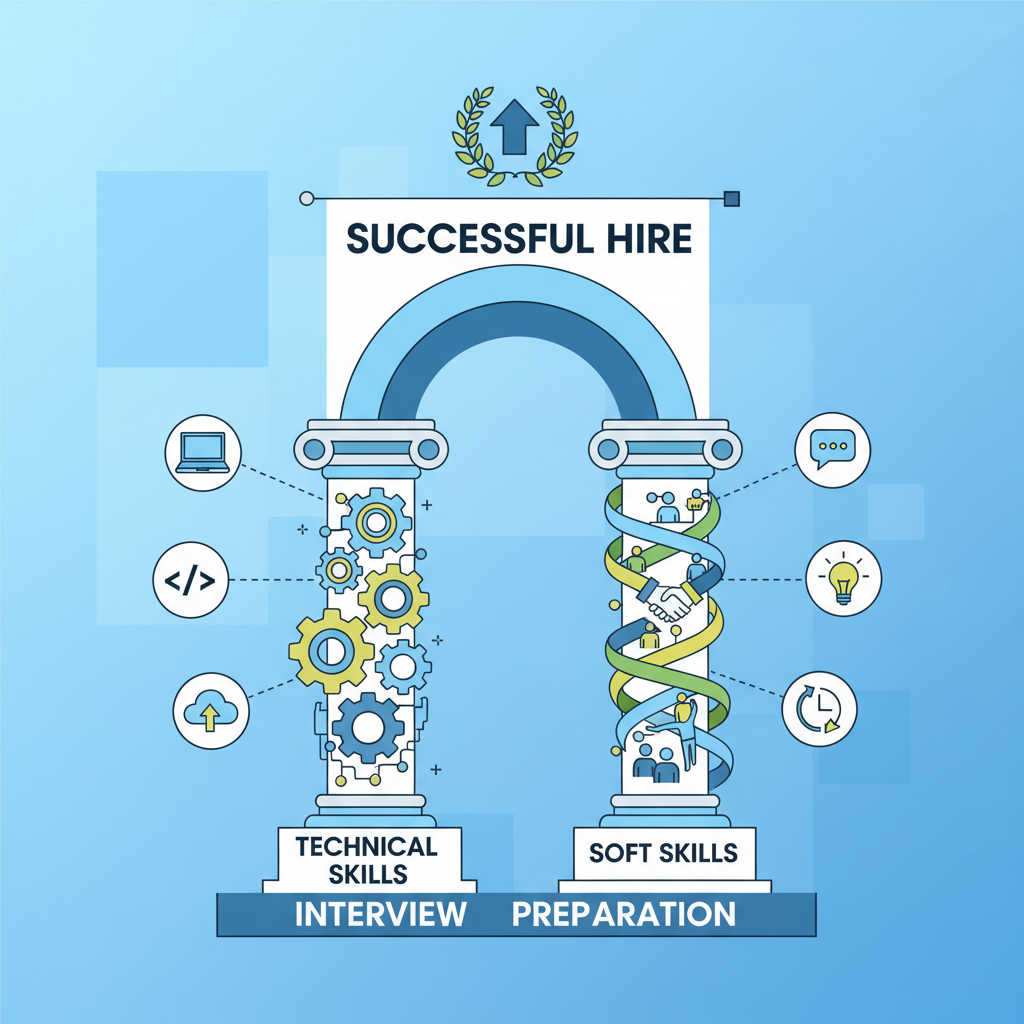
Successful interview preparation requires a balanced approach that addresses both your technical expertise and your interpersonal abilities. While hard skills demonstrate your qualifications on paper, soft skills determine how effectively you communicate your value during the actual conversation. Developing both dimensions simultaneously creates a comprehensive skill set that positions you for interview success.
Building Technical Competencies for Your Field
Technical skills form the foundation of your professional credibility. Identify the core competencies required for your target role and create a structured plan to strengthen them. This might include earning certifications, completing specialized training programs, or gaining hands-on experience through projects and practical applications.
Stay current with evolving tools, methodologies, and best practices in your industry. Employers expect candidates to demonstrate not just historical knowledge but also awareness of emerging technologies and approaches. Regular skill assessments help you identify gaps and prioritize learning opportunities that will make the strongest impression.
Mastering Communication and Storytelling Techniques
Your ability to articulate your experiences clearly and compellingly is just as important as the experiences themselves. Prepare structured stories about challenges you've overcome, focusing on the situation, your actions, and the measurable results you achieved. These narratives become invaluable when responding to behavioral and situational questions.
Practice delivering your answers out loud to sound more natural and conversational during interviews. This rehearsal helps you refine your pacing, eliminate filler words, and ensure your key points land with impact. The goal is to communicate authentically while maintaining a professional tone throughout the discussion.
Developing Strong Nonverbal Communication Skills
Body language plays a significant role in how interviewers perceive you, with a substantial portion of your impression being nonverbal. Maintain open posture, make appropriate eye contact, and avoid nervous habits that might distract from your message. Your physical presence should reinforce the confidence and professionalism conveyed in your words.
In virtual interviews, pay special attention to camera positioning, lighting, and your on-screen presence. Practice looking directly at the camera when speaking to create the impression of eye contact. Small adjustments to your setup can dramatically improve how you're perceived in remote interview settings.
Cultivating Interpersonal Skills That Build Rapport
Interviews are fundamentally about human connection. Develop your active listening skills to ensure you fully understand each question before responding. Show genuine interest in the interviewer's perspective and ask thoughtful follow-up questions that demonstrate engagement.
Adapt your communication style to match the interview context and the personalities you encounter. Some interviewers prefer detailed technical discussions, while others value concise, results-oriented responses. Reading these cues and adjusting accordingly shows emotional intelligence and professional maturity.
Sources
- How to Do the Best Job Interview: Ultimate 2026 Guide to Acing It
- How to Prepare for a Job Interview in 2026: A Personal Guide
Effective Learning Formats and Resources to Consider
Continuous learning for interview preparation doesn't follow a one-size-fits-all approach. The most successful candidates leverage multiple learning modalities to build comprehensive interview skills that address both technical competencies and interpersonal dynamics.
Understanding the range of available formats helps you design a learning strategy that fits your schedule, learning style, and career goals. Each format offers distinct advantages for different aspects of interview preparation.
Online Courses and Structured Programs
Online courses provide structured curricula that systematically build interview competencies. These programs often include video lessons, practice exercises, and assessments that allow you to progress at your own pace. Many platforms offer courses specifically focused on interview techniques, industry-specific preparation, and communication skills.
Structured programs work particularly well for candidates who benefit from organized learning paths and measurable milestones. They provide comprehensive coverage of topics while allowing flexibility in scheduling.
Seminars, Webinars, and Live Learning Events
Live learning events offer real-time interaction with instructors and peers. Seminars and webinars focused on industry trends, emerging technologies, or professional development provide current insights that directly enhance your ability to engage meaningfully during interviews.
These formats excel at delivering timely information about market dynamics and evolving employer expectations. The interactive nature allows you to ask questions and clarify concepts immediately, deepening your understanding of complex topics.
Professional Certifications and Credentials
Pursuing relevant certifications demonstrates commitment to professional growth while building substantive knowledge you can discuss during interviews. Certifications validate your expertise in specific areas and provide talking points that showcase your dedication to continuous improvement.
The preparation process for certifications naturally builds the deep understanding that interviewers value. This knowledge allows you to speak confidently about technical subjects and industry standards.
Podcasts and Audio Learning Resources
Podcasts offer convenient learning opportunities during commutes, exercise, or other activities. Industry-focused podcasts keep you informed about trends, challenges, and innovations that may arise in interview conversations.
Audio formats work well for staying current with minimal time investment. Regular listening builds familiarity with industry vocabulary and contemporary issues that demonstrate your engagement with your field.
Self-Study and Independent Research
Self-directed learning through books, articles, case studies, and industry publications allows deep dives into topics relevant to your target roles. This approach enables you to customize your learning to address specific knowledge gaps or areas of interest.
Independent research builds critical thinking skills and the ability to synthesize information from multiple sources—capabilities that translate directly to interview performance. Reading widely also exposes you to diverse perspectives that enrich your responses.
Practice-Based Learning and Skill Application
Applying new knowledge through projects, volunteer work, or skill-building exercises reinforces learning and creates concrete examples for interview discussions. Hands-on practice transforms theoretical knowledge into demonstrable competencies.
This experiential approach generates the authentic stories and achievements that make interview responses compelling. It also builds the confidence that comes from proven ability rather than abstract understanding.
Sources
- How to Do the Best Job Interview: Ultimate 2026 Guide to Acing It
- Interview Skills 2026: Video vs in‑Person Interview Tips
Advanced Preparation Techniques: Research and Practice
Mastering interview skills requires more than surface-level preparation. Advanced techniques transform your approach from generic responses to strategic, well-informed conversations that demonstrate genuine interest and capability.
Deep Company Research Methods
Effective company research goes beyond reading the "About Us" page. Start by exploring recent press releases, quarterly reports, and industry news mentioning the organization. Review their social media presence to understand company culture and values. Identify key challenges in their sector and consider how your skills address those needs.
Look for information about the interviewer on professional networking platforms. Understanding their role and background helps you tailor your conversation and ask informed questions that resonate with their perspective.
Structured Answer Frameworks
The STAR method provides a proven framework for answering behavioral interview questions effectively. This approach structures your responses around four components: Situation (the context), Task (your responsibility), Action (steps you took), and Result (the outcome).
Prepare to discuss your resume in detail, providing specific examples of your skills and experiences. Continuous learning enhances this preparation by giving you fresh examples and updated knowledge to weave into your responses, making them more relevant and compelling.
Mock Interview Practice Strategies
Practice interviews with peers, mentors, or career coaches reveal gaps in your preparation and build confidence. Record yourself answering common questions to identify verbal habits, pacing issues, or unclear explanations. Focus on articulating complex ideas simply and confidently.
Schedule multiple practice sessions leading up to your interview. Each session should incorporate feedback from the previous round, creating an iterative improvement process that sharpens your delivery.
Leveraging Continuous Learning for Better Preparation
Your ongoing learning efforts directly inform your preparation strategy. Recent courses, certifications, or seminars provide current examples to discuss during interviews. Industry knowledge gained through webinars enables you to ask sophisticated questions about company challenges and market positioning.
This knowledge base transforms you from a passive candidate into an engaged professional who can contribute meaningfully to strategic conversations. It demonstrates initiative and positions you as someone who stays current in a rapidly evolving professional landscape.
Post-Interview Follow-Up Excellence
Advanced preparation extends beyond the interview itself. Employers value thank-you notes, yet many candidates miss this opportunity to reinforce their interest and qualifications. Send a personalized message within 24 hours, referencing specific conversation points and reiterating your enthusiasm for the role.
Sources
- How to Do the Best Job Interview: Ultimate 2026 Guide to Acing It
- How to Nail a Job Interview in 2026 - Essential Ed
Transforming Interviews into Meaningful Conversations
Traditional interviews often feel like one-sided interrogations where candidates sit nervously answering rapid-fire questions. Continuous learning fundamentally changes this dynamic, empowering you to participate in genuine two-way conversations. When you've invested time in understanding industry challenges, market trends, and organizational contexts, you can engage interviewers as a knowledgeable professional rather than just a hopeful applicant.
This transformation happens because your preparation extends beyond rehearsing answers. By staying informed about current developments in your field, you gain the confidence to discuss real-world challenges and potential solutions. This positions you as someone who can contribute meaningfully from day one, not just someone seeking employment.
Engaging Through Thoughtful Questions
One hallmark of this conversational approach is asking thoughtful questions that demonstrate both preparation and genuine interest. Rather than generic inquiries about company culture, your continuous learning enables you to ask about specific initiatives, industry positioning, or strategic challenges the organization faces.
These questions signal that you've done your homework and can think critically about the role's context. They also create opportunities for interviewers to share insights, turning the discussion into a collaborative exploration of how you might fit into their team.
Demonstrating Judgment and Relevance
Modern interviews increasingly focus on evaluating your judgment, clarity of thought, and ability to apply knowledge in context. Continuous learning equips you to showcase these qualities naturally throughout the conversation. When discussing past experiences or hypothetical scenarios, you can draw on current industry examples and emerging best practices.
This relevance makes your responses more compelling and memorable. Instead of relying solely on past achievements, you demonstrate forward-thinking awareness that resonates with hiring managers looking for candidates who can navigate evolving business landscapes.
Creating Dialogue Around Shared Challenges
The most effective interviews feel like professional discussions between colleagues. Your ongoing learning creates common ground for these exchanges. You can reference industry developments, discuss shared challenges, and explore how your skills align with organizational needs in specific, informed ways.
This conversational approach reduces anxiety because you're not just being evaluated—you're participating in a meaningful professional exchange. The interview becomes an opportunity to explore mutual fit rather than a test to pass.
Sources
- Interview Preparation in 2026: What Employers Actually …
- How to Prepare for a Job Interview in 2026: A Personal Guide
Building Confidence and Credibility Through Knowledge

Continuous learning transforms how you show up in interviews. When you invest time in expanding your knowledge base, you naturally project confidence and credibility—two qualities that hiring managers actively seek. The psychological benefits extend far beyond simply knowing more facts; they reshape your entire interview experience.
Knowledge reduces anxiety because it eliminates the fear of the unknown. When you understand industry trends, emerging technologies, and current market dynamics, you approach interviews with the assurance that you can contribute meaningfully to discussions. This preparation creates a mental safety net that allows you to focus on connection rather than survival.
How Knowledge Builds Interview Confidence
Confidence stems from competence. When you've dedicated time to learning about your field, you develop a reservoir of insights to draw from during conversations. This preparation allows you to answer questions with specificity and depth, demonstrating that you're not just qualified on paper but genuinely engaged with your profession.
The modern interview landscape demands adaptability and problem-solving skills alongside technical expertise. Evaluators assess communication abilities, emotional intelligence, and alignment with organizational goals. Continuous learning addresses all these dimensions by keeping you mentally agile and informed.
Your ability to discuss industry challenges, reference recent developments, and propose thoughtful solutions signals to employers that you're a forward-thinking professional. This credibility cannot be manufactured in the days before an interview—it develops through sustained curiosity and learning.
Reducing Anxiety Through Preparation
Interview anxiety often originates from feeling unprepared or uncertain about what to expect. When you commit to ongoing education, you systematically address knowledge gaps that might otherwise become sources of stress. Each webinar attended, article read, or skill practiced adds to your confidence reservoir.
Prepared candidates shift their mental framework from "Will I survive this interview?" to "How can I contribute to this organization?" This reframing transforms anxiety into productive energy. You enter the room knowing you have valuable perspectives to share, which naturally reduces nervous tension.
The psychological advantage extends to body language and vocal tone. Confident candidates make better eye contact, speak with steadier voices, and engage more authentically. These non-verbal cues reinforce your verbal messages, creating a cohesive impression of competence.
Establishing Credibility Through Industry Knowledge
Credibility emerges when you demonstrate genuine understanding of the challenges facing your prospective employer's industry. Continuous learning equips you to speak knowledgeably about market conditions, competitive pressures, and emerging opportunities. This awareness positions you as someone who can contribute from day one.
When you reference relevant trends or acknowledge industry-specific challenges during your interview, you signal that you've done your homework. This preparation shows respect for the interviewer's time and demonstrates your serious interest in the role. Employers recognize and value candidates who invest effort in understanding their business context.
Your credibility also grows when you can discuss how your learning journey has shaped your professional perspective. Sharing specific examples of skills you've developed or insights you've gained through recent learning experiences provides concrete evidence of your commitment to growth.
The Compound Effect of Sustained Learning
The confidence and credibility you build through continuous learning create a compound effect over time. Each interview becomes easier as your knowledge base expands and your comfort with professional conversations grows. You develop pattern recognition that helps you anticipate questions and structure compelling responses.
This sustained approach also reduces the pressure of last-minute cramming. Instead of frantically preparing in the days before an interview, you draw from an existing foundation of knowledge. This allows you to focus your immediate preparation on company-specific research and role-specific details.
Ultimately, the psychological benefits of continuous learning extend beyond individual interviews. They shape your entire professional identity, transforming you into someone who approaches career opportunities with curiosity, confidence, and genuine expertise.
Sources
- How to Do the Best Job Interview: Ultimate 2026 Guide to Acing It
- How to Prepare for a Job Interview in 2026: A Recruiter's Perspective
Creating Your Personalized Continuous Learning Plan
Developing a structured learning strategy transforms interview preparation from a reactive scramble into a proactive advantage. A personalized continuous learning plan aligns your skill development with career goals, interview timelines, and the specific competencies employers value most.
Assess Your Current Skill Gaps
Begin with honest self-assessment. Review recent job descriptions in your target field and identify recurring technical skills, industry knowledge areas, and soft skills you haven't fully developed. Compare your current capabilities against these requirements to pinpoint where focused learning will deliver the greatest impact.
Consider feedback from past interviews or performance reviews. These insights often reveal blind spots that self-reflection alone might miss.
Define Clear Learning Objectives
Effective preparation involves translating your experience into solutions for the specific problems a role exists to solve. Set concrete learning goals tied to your next career move:
- Master a specific technical skill or certification
- Develop deeper understanding of industry trends affecting your target companies
- Strengthen communication or leadership capabilities
- Build knowledge of emerging tools or methodologies in your field
Make these objectives measurable and time-bound to maintain momentum.
Build Your Learning Framework
Structure your plan around three core pillars: getting clear on your direction, building knowledge through low-pressure exploration, and preparing your materials with evidence of growth. This framework ensures your learning efforts directly support interview readiness.
Allocate specific time blocks each week for different learning activities. Consistency matters more than intensity—30 minutes daily outperforms sporadic marathon sessions.
Select Appropriate Learning Resources
Match your learning style and schedule to the right formats:
- Online courses for structured skill development
- Industry publications for trend awareness
- Professional communities for peer learning and networking
- Webinars and conferences for current market insights
- Practice interviews for application and feedback
Rotate between formats to maintain engagement and address different skill dimensions.
Track Progress and Adjust
Document what you learn and how it applies to your target roles. Well-prepared candidates stand out because they understand positions beyond job titles and articulate their value with clarity. Your learning log becomes interview ammunition—specific examples of initiative, curiosity, and relevant expertise.
Review your plan monthly. Adjust focus areas as you gain clarity on which skills matter most for your goals or as interview feedback reveals new priorities.
Connect Learning to Interview Storytelling
The most powerful outcome of continuous learning isn't just knowledge—it's compelling narratives. Each learning experience gives you fresh stories about problem-solving, adaptability, and professional growth. Practice articulating how your recent learning connects to the challenges your target employers face.
Your personalized plan becomes a living document that evolves with your career, ensuring you approach every interview with confidence rooted in current, relevant expertise.
Sources
- How to Prepare for a Job Interview in 2026: A Recruiter's Perspective
- Interview Preparation in 2026: What Employers Actually …
Conclusion
Throughout this guide, we've explored how continuous learning transforms interview preparation from a one-time event into a sustainable career advantage. By staying current with industry trends, developing both technical and soft skills, and leveraging diverse learning resources, you position yourself not just for interview success, but for long-term professional growth.
The nine essential strategies we've covered—from researching market dynamics to transforming interviews into meaningful conversations—all share a common foundation: the commitment to ongoing development. When you approach each interview as an opportunity to demonstrate your curiosity and knowledge, you shift from simply answering questions to engaging in authentic professional dialogue.
Embracing Lifelong Learning
Reflecting on my own career journey, I've learned that continuous learning became my secret weapon—not only improving my interview success but also shaping my entire career path. That early wake-up call, when I realized my knowledge gaps during a critical interview, taught me that staying curious and informed makes all the difference.
The most successful professionals understand that interview skills aren't static. They evolve with industry changes, technological advancements, and shifting workplace expectations. By building a personalized learning plan and committing to regular skill development, you create a competitive edge that extends far beyond any single interview.
Start today by identifying one area for growth—whether it's industry knowledge, communication techniques, or technical expertise. Dedicate time each week to learning, practicing, and refining your approach. Remember, every piece of knowledge you gain, every skill you develop, and every insight you acquire contributes to your confidence and credibility.
Your next interview is an opportunity to showcase not just what you know today, but your capacity to grow, adapt, and contribute meaningfully to your future employer. Embrace continuous learning as a career-long commitment, and watch as interview success becomes not just achievable, but effortless.

Written by
Emily Johnson
Published March 2, 2026 · 24 min read
Emily Johnson is a seasoned career strategist with over a decade of experience in recruitment and talent acquisition. With a background in human resources, she excels at helping professionals refine their job search strategies, from crafting compelling resumes to mastering interview techniques. As an expert in Applicant Tracking Systems (ATS), Emily is dedicated to guiding individuals toward their dream careers.
Want this kind of read on your résumé?
We'll tell you what's actually working, what's holding you back, and what to fix — in plain English.
Get My Job Match Score