
Job Listing Checks: 10 Essential Steps to Protect Yourself
Master job listing checks with 10 essential steps to protect yourself from scams and verify employment opportunities before applying online.
 Emily Johnson
Introduction
Key Takeaways
- Job listing checks are essential to protect yourself from employment scams and fraudulent opportunities
- Verifying authenticity through official company websites and direct contact can prevent costly mistakes
- Recognizing red flags early in your job search saves time and safeguards your personal information
- A systematic approach to employment verification helps you identify legitimate opportunities with confidence
- Trusting your instincts combined with thorough research creates a safer job search experience
Why Job Listing Verification Matters
The online job market has opened countless doors for job seekers, but it has also created opportunities for scammers to exploit eager candidates. Every day, fraudulent job listings appear on popular job boards, designed to collect personal information, steal identities, or extract money from unsuspecting applicants. Understanding how to verify job listing authenticity isn't just a helpful skill—it's an essential form of self-protection in today's digital employment landscape.
I remember early in my career as a recruiter when I received a call from a job seeker who was excited about a new opportunity they found online. However, something in their voice hinted at uncertainty, prompting me to dig a little deeper into the job listing's authenticity. This experience stuck with me and shaped how I guide others in verifying job listings today.
The consequences of falling for a fake job listing extend beyond wasted time. Scammers may request sensitive information like Social Security numbers, bank account details, or even upfront payments for training materials or background checks. By the time victims realize they've been deceived, their personal data may already be compromised. That's why learning to conduct thorough job listing checks before submitting applications is one of the most important steps in your job search strategy.
Taking Control of Your Job Search Safety
Protecting yourself starts with preparation and knowledge. When you approach each job opportunity with a healthy level of scrutiny, you significantly reduce your risk of encountering fraudulent listings. Tailoring your job search by considering the roles that interest you, the qualifications you possess, and the lifestyle you desire helps you focus on legitimate opportunities that align with your career goals.
The good news is that verifying job listing authenticity doesn't require advanced technical skills or expensive tools. With a systematic approach and access to helpful resources as you prepare for your job search, you can confidently distinguish between genuine employment opportunities and sophisticated scams. The following sections will walk you through essential verification methods, red flags to watch for, and practical steps that have helped countless job seekers protect themselves while pursuing their career aspirations.
Your career path deserves to begin with confidence and security. By investing time in proper verification, you're not just protecting yourself from scams—you're also ensuring that your energy and effort go toward opportunities that can genuinely advance your professional journey.
Sources
Understanding Job Listing Authenticity
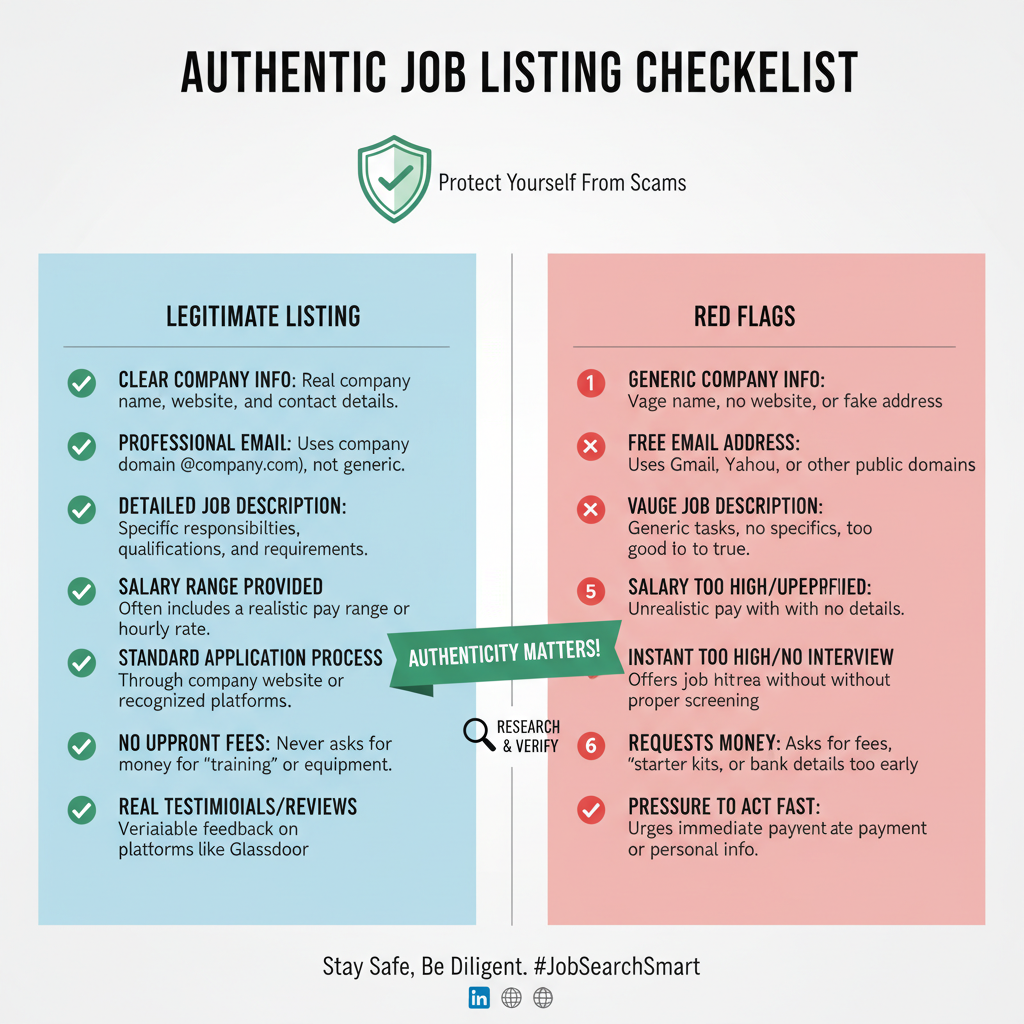
Navigating the job market requires more than just polishing your resume and preparing for interviews. Understanding what makes a job listing legitimate is a critical first step in protecting yourself from scams and wasted effort. A genuine job posting provides clear information about the role, the company, and the application process, while fraudulent listings often contain vague descriptions and unrealistic promises.
Why Authenticity Matters in Your Job Search
Authenticity in job listings directly impacts your career trajectory and personal security. When you invest time applying to fake positions, you risk exposure to identity theft, financial scams, and professional disappointment. Legitimate employers maintain transparent hiring processes and provide verifiable information about their organizations.
Tailoring your job search means considering not only the roles that interest you and the qualifications you possess, but also ensuring the opportunities you pursue are real. This approach saves time and protects your personal information from falling into the wrong hands.
Key Characteristics of Legitimate Job Listings
Authentic job postings typically include specific details about job responsibilities, required qualifications, and company background. They use professional language, provide clear contact information, and appear on reputable job boards or the company's official career page. The hiring process follows a logical sequence with interviews, reference checks, and formal offer letters.
Fraudulent listings, by contrast, often promise unusually high salaries for minimal work, request payment for training materials, or ask for sensitive personal information upfront. Recognizing these differences helps you focus your energy on genuine opportunities that align with your career goals.
The Foundation of Safe Job Searching
Building a foundation of verification practices protects you throughout your job search journey. This means developing habits like researching companies thoroughly, cross-referencing job postings across multiple platforms, and maintaining healthy skepticism when something seems too good to be true. These practices become second nature once you understand the importance of authenticity in every application you submit.
Sources
Check the Company's Official Website
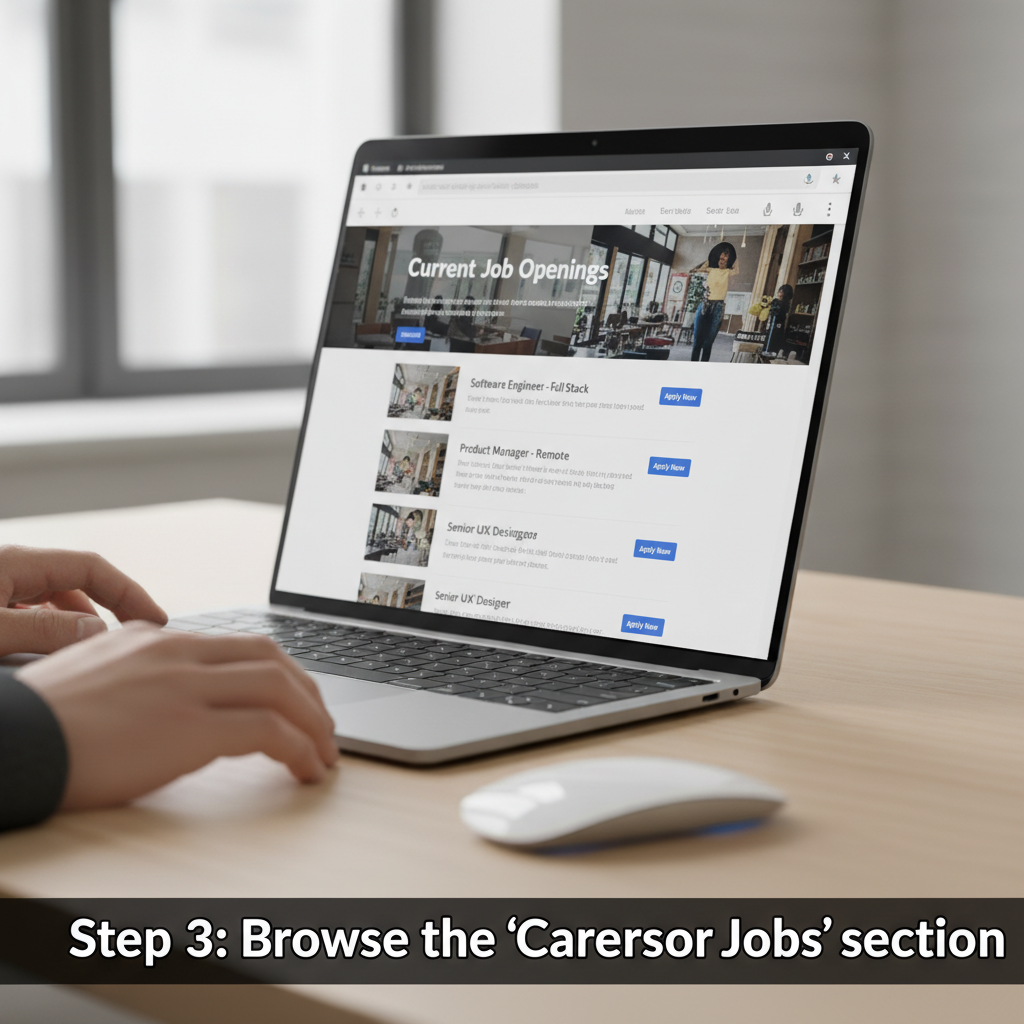
One of the most reliable ways to verify a job posting is to visit the company's official website directly. Legitimate employers almost always list their open positions on their career pages. If you find a job listing on a third-party site but can't locate it on the company's own website, that's an immediate red flag.
Navigate to the Careers Section
Start by searching for the company's official domain through a search engine rather than clicking links in the job posting itself. Once on the site, look for sections labeled "Careers," "Jobs," "Join Our Team," or similar headings. These pages typically showcase all current openings and provide application instructions.
If the position you're interested in doesn't appear on the official career page, it may have already been filled, or the listing you found elsewhere could be fraudulent. Scammers often post fake jobs on popular job boards to collect personal information from unsuspecting applicants.
Verify Contact Information
Legitimate job postings on company websites include verifiable contact information such as an official email address, phone number, and physical address. Compare these details with what appears in the third-party listing. Inconsistencies in contact information or vague details should raise concerns.
Pay attention to email domains as well. Official communications should come from the company's domain, not from free email services. This simple check can save you from sharing sensitive information with scammers.
Cross-Reference Job Details
When you locate a matching position on the official website, compare the job description, requirements, and responsibilities with the external listing. Authentic postings will have consistent information across platforms. Discrepancies in salary ranges, job titles, or required qualifications suggest the external listing may be altered or fabricated.
Taking these verification steps protects you from identity theft and ensures you're investing time in genuine employment opportunities. Always prioritize official company sources when conducting your job search.
Conducting Job Listing Checks
Researching a company's online presence is one of the most effective ways to verify job listing authenticity. A legitimate employer maintains a consistent and professional digital footprint across multiple platforms. Start by examining their presence on professional networks, review sites, and social media channels to build a complete picture of their reputation.
Evaluating Social Media and Professional Platforms
Legitimate companies typically have active profiles on platforms like LinkedIn, where you can verify employee counts, company updates, and posted job openings. Check whether the company has a verified account and review the engagement on their posts. Authentic organizations also appear on Glassdoor and similar review sites, where current and former employees share their experiences.
When conducting job listing checks, pay attention to consistency across platforms. The company name, logo, and business description should align everywhere. Discrepancies or newly created profiles with minimal activity can signal potential red flags.
Cross-Referencing Information Sources
Professional verification practices emphasize the importance of checking multiple sources to confirm details. Look for news articles, press releases, or industry mentions that validate the company's existence and operations. Search for the hiring manager's name on LinkedIn to confirm their role and connection to the organization.
Consider the company's overall digital reputation. Read employee reviews carefully, noting patterns in feedback about hiring practices, workplace culture, and communication. While no company has perfect reviews, consistently negative comments about recruitment processes or payment issues deserve serious consideration.
Verifying Contact Information and Domain Details
Examine the email domain used in job communications. Legitimate companies use professional email addresses with their company domain, not free services like Gmail or Yahoo. Research the domain registration to confirm it matches the company's claimed establishment date and location.
Check whether the company's website appears professional and functional. Scam operations often use poorly designed sites with limited content, broken links, or generic stock photos. A genuine employer invests in their online presence and maintains updated, detailed information about their business operations.
Sources
Direct Contact with Employer
When you encounter a job listing that seems promising but raises questions, one of the most effective verification methods is reaching out directly to the employer. This proactive approach can quickly confirm whether a position is legitimate and help you avoid potential scams.
Start by locating the company's main phone number through their official website rather than using contact information provided solely in the job listing. Call the human resources department or reception and ask to verify the open position. A simple phone call can confirm whether they are actively hiring for the role in question.
Crafting Your Verification Email
If phone contact isn't feasible, send a professional email to the company's HR department. Keep your message brief and direct. Introduce yourself, mention the specific job title and where you found the listing, and politely ask for confirmation that the position is currently open. Legitimate employers will appreciate your diligence and typically respond within a few business days.
When communicating with potential employers, pay attention to how they respond. Professional organizations maintain clear communication channels and provide transparent information about their hiring processes. They understand that candidates want visibility into the application status and will address your questions respectfully.
What to Ask During Contact
During your conversation or correspondence, ask specific questions about the role, reporting structure, and next steps in the hiring process. Genuine employers can readily provide details about job responsibilities, team structure, and timeline expectations. If the responses are vague, evasive, or inconsistent with the original listing, consider this a warning sign.
Direct contact also gives you the opportunity to assess the company's professionalism and communication style. This interaction serves as an early preview of what working with the organization might be like and helps you make more informed decisions about pursuing the opportunity.
Sources
Trust Your Instincts
When evaluating job offers, your intuition is one of your most powerful tools. If something feels off about a listing—whether it's vague job descriptions, unusual communication patterns, or promises that seem too good to be true—pause and investigate further. Your gut feeling often picks up on inconsistencies that your conscious mind hasn't fully processed yet.
Throughout my career as a recruiter, I've seen countless situations where job seekers ignored their instincts, only to discover red flags later. One candidate once told me about a listing that made them uneasy, but they proceeded anyway because the salary seemed attractive. It turned out to be a scam that requested personal financial information during the "application process."
Recognizing When Something Feels Wrong
Pay attention to your emotional response when reading a job listing or communicating with a potential employer. Does the opportunity make you feel excited and confident, or anxious and uncertain? Legitimate employers maintain professional communication standards and provide clear information about roles, responsibilities, and expectations.
If you find yourself making excuses for unprofessional behavior or overlooking concerning details, step back and reassess. Trust is built through consistency and transparency—qualities that authentic employers demonstrate from the first interaction.
Balancing Optimism with Caution
While maintaining a positive outlook during your job search is important, it shouldn't come at the expense of your safety. Enthusiasm about a new opportunity is natural, but it should be paired with careful evaluation of the facts. Ask yourself whether your excitement is based on concrete details or simply on what you hope the position might be.
The best approach combines healthy skepticism with an open mind. Verify the details, conduct thorough job listing checks, and let your decision be informed by both research and intuition. When both align positively, you can move forward with confidence.
Sources
Employment Verification Methods
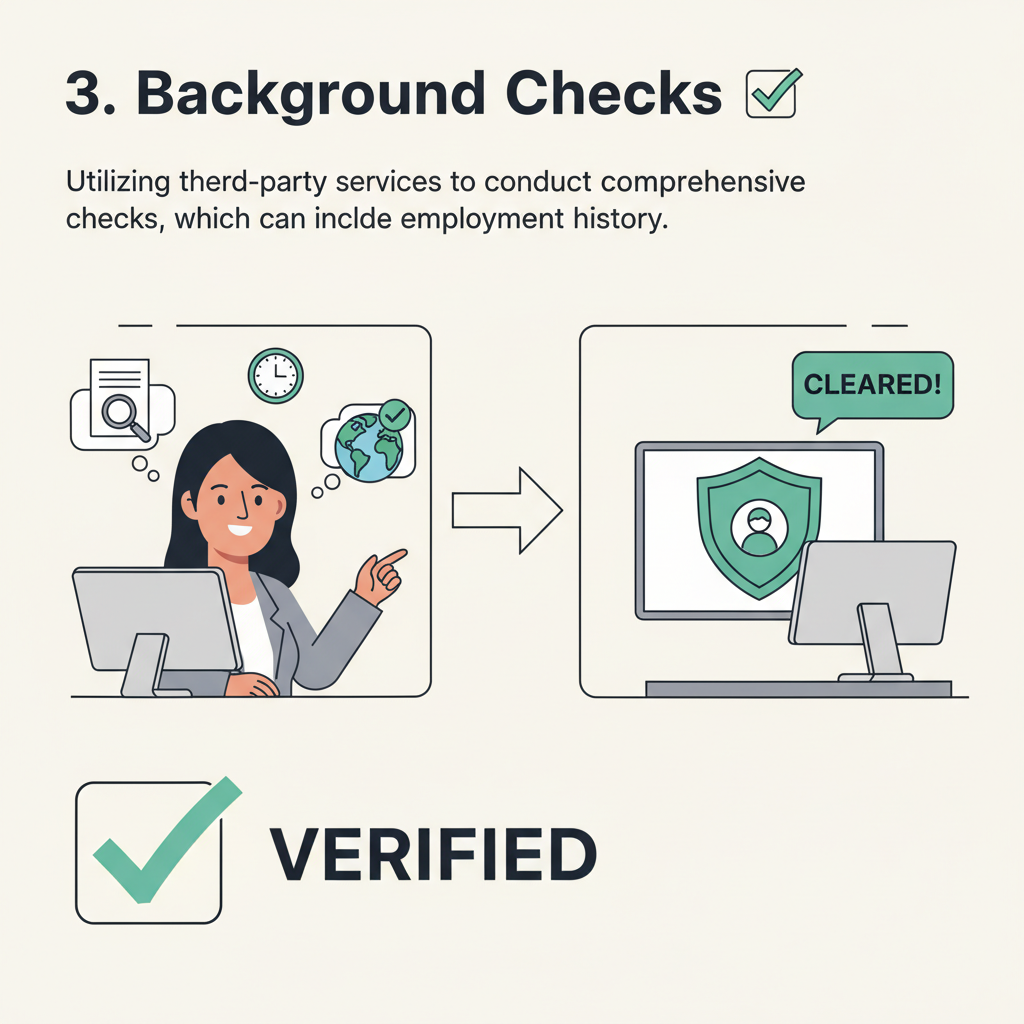
Verifying a job offer's authenticity requires a systematic approach that goes beyond simply reading the listing. By using multiple verification methods, you can protect yourself from scams and ensure you're investing time in legitimate opportunities.
Cross-Reference Multiple Platforms
Start by checking whether the same position appears on the company's official career page, reputable job boards, and professional networking sites. Legitimate employers typically post openings across multiple channels with consistent information. If you find discrepancies in job titles, responsibilities, or contact details, that's a warning sign worth investigating.
Pay attention to how the company presents itself across these platforms. A professional organization maintains a cohesive brand presence and uses official email domains for all communications.
Verify Company Registration and Credentials
Research the company's business registration through official government databases or business registries. Legitimate companies have verifiable registration numbers, physical addresses, and tax identification details that you can confirm through public records.
Check professional licensing boards if the position requires specific credentials or certifications. This step is particularly important for roles in regulated industries where compliance standards are strict.
Review the Company's Digital Footprint
Examine the employer's online presence carefully. Look for an established website with professional design, clear contact information, and detailed company history. Check their social media profiles for regular activity and authentic engagement with followers.
Read employee reviews on platforms that verify reviewers' employment status. While no company has perfect reviews, patterns in feedback can reveal whether the organization is legitimate and treats employees fairly.
Request Written Documentation
Before accepting any offer, ask for a formal written job offer that includes specific details about compensation, benefits, start date, and reporting structure. Legitimate employers provide comprehensive documentation and allow you time to review terms carefully.
Be cautious if the employer rushes you to accept immediately or refuses to provide written confirmation. Professional organizations understand that candidates need time to evaluate opportunities and make informed decisions.
Sources
Red Flags to Watch For
Recognizing warning signs in job listings is a critical skill that can save you from wasting time or falling victim to scams. While many legitimate opportunities exist online, fraudulent postings continue to circulate, making it essential to know what to look for before investing your energy in an application.
Vague or Generic Job Descriptions
One of the most common red flags is a job listing that lacks specific details about responsibilities, qualifications, or day-to-day tasks. If the description reads like a template with buzzwords but no substance, proceed with caution. Legitimate employers provide clear expectations about the role and what they're looking for in candidates.
Scammers often use vague language to cast a wide net, hoping to attract as many applicants as possible. If you can't determine what you'd actually be doing in the position, that's a sign to dig deeper or move on.
Unrealistic Salary Promises
If a listing advertises an exceptionally high salary for minimal work or entry-level qualifications, your alarm bells should ring. While competitive compensation exists, offers that seem too good to be true usually are. Scammers use inflated salary figures to lure unsuspecting job seekers into sharing personal information.
Compare the advertised salary with industry standards for similar roles. If there's a significant discrepancy without a reasonable explanation, consider it a warning sign.
Unprofessional Communication
Pay attention to how the job listing is written. Poor grammar, spelling errors, and unprofessional formatting suggest a lack of legitimacy. Reputable companies invest in polished, professional job postings that reflect their brand standards.
Similarly, if you receive communication from a recruiter that contains these same issues or uses a personal email address instead of a company domain, exercise caution. Professional organizations maintain consistent communication standards.
Requests for Personal or Financial Information Upfront
Legitimate employers will never ask for sensitive information like your Social Security number, bank details, or payment for application processing during the initial stages. If a listing or early communication requests this information, it's almost certainly a scam.
Be particularly wary of any opportunity that asks you to pay for training materials, background checks, or equipment before you've been officially hired. Real employers cover these costs themselves.
Pressure to Act Immediately
Scammers often create artificial urgency, claiming you must apply or accept an offer within an unreasonably short timeframe. This tactic is designed to prevent you from conducting thorough job listing checks or thinking critically about the opportunity.
Legitimate hiring processes allow candidates time to consider offers, ask questions, and make informed decisions. If you're being rushed, take a step back and investigate further.
Missing or Inconsistent Company Information
When a job listing provides minimal information about the employer or the details don't align with what you find through independent research, that's a significant red flag. Authentic companies are transparent about their identity, location, and operations.
If the listing mentions a well-known company but uses unofficial contact information or directs you to apply through suspicious channels, verify directly with the company before proceeding.
Sources
Who Should Choose What?
Not every job listing requires the same level of scrutiny. The verification methods you choose should match the specific scenario you're facing. Understanding which job listing checks to prioritize based on your situation can save time while still protecting you from potential scams.
Entry-Level Job Seekers
If you're new to the job market, focus on verifying the company's official website and researching their online presence. Entry-level positions are frequently targeted by scammers who prey on inexperienced candidates. Start by confirming the job appears on the employer's career page, then check their LinkedIn company profile and reviews on professional platforms. These basic steps provide a solid foundation without overwhelming your search process.
Mid-Career Professionals
For those with several years of experience, combine website verification with direct contact methods. You likely have a network of industry connections who can provide insights about potential employers. Reach out to current or former employees through professional networks to validate the opportunity. Additionally, verify that the job description aligns with industry standards for your role and experience level.
Remote and Freelance Opportunities
Remote positions require heightened vigilance due to their popularity among fraudulent listings. Prioritize direct employer contact and thorough company research. Verify the company has a legitimate business address and established online presence beyond just a job posting. Be especially cautious of positions requiring upfront payments for equipment or training materials.
High-Level Executive Roles
Senior positions warrant comprehensive verification across all methods. Engage executive recruiters when possible, as legitimate high-level opportunities often come through established recruitment firms. Verify the recruiter's credentials and confirm their relationship with the hiring company. Cross-reference the opportunity with industry publications and professional networks to ensure authenticity.
Optimizing Your Verification Approach
Consider your available time and energy when planning your verification strategy. Focus your most thorough checks on opportunities that best match your career goals and qualifications. For positions that seem like a strong fit, invest the time in multiple verification methods to ensure you're making informed decisions about where to invest your application efforts.
Sources
Conclusion
Verifying job listing authenticity is no longer optional in today's digital job market—it's an essential skill that protects your career, finances, and personal information. Throughout this guide, we've explored practical methods for conducting thorough job listing checks, from examining company websites and researching online presence to making direct contact with employers and recognizing red flags. Each verification step serves as a layer of protection against increasingly sophisticated employment scams.
The consequences of skipping these verification steps can be severe, ranging from identity theft and financial loss to wasted time and damaged professional confidence. By implementing the employment verification methods outlined in this article, you create a systematic approach to evaluating opportunities before investing your energy in applications or interviews.
Taking Action Today
Start building your verification routine now, before you need it urgently. Bookmark trusted resources for company research, create a checklist of red flags to review, and practice the direct contact techniques we've discussed. When you encounter your next job opportunity, approach it with informed skepticism rather than blind enthusiasm.
Trust your instincts when something feels off about a listing. Early in my career as a recruiter, I learned that the small voice of uncertainty often signals a legitimate concern worth investigating. That same intuition, combined with systematic verification practices, has helped countless job seekers avoid scams and find genuine opportunities that advance their careers.
Your career path deserves to begin on solid ground. By making job listing checks a standard part of your search process, you're not just protecting yourself from scams—you're demonstrating the professional discernment that employers value. Take these essential steps seriously, stay vigilant, and move forward with confidence in your ability to distinguish authentic opportunities from fraudulent ones.
Sources

Written by
Emily Johnson
Published May 4, 2026 · 19 min read
Emily Johnson is a seasoned career strategist with over a decade of experience in recruitment and talent acquisition. With a background in human resources, she excels at helping professionals refine their job search strategies, from crafting compelling resumes to mastering interview techniques. As an expert in Applicant Tracking Systems (ATS), Emily is dedicated to guiding individuals toward their dream careers.
Want this kind of read on your résumé?
We'll tell you what's actually working, what's holding you back, and what to fix — in plain English.
Get My Job Match ScoreYou Might Also Like
More articles to help you advance your career