

Job Search Platforms: 7 Essential Sites For Your Career
Discover the best job search platforms for 2026. Explore valuable resources and tools to enhance your job search experience.
 Emily Johnson
Introduction
As a career strategist, I've witnessed firsthand how the landscape of job search platforms has transformed dramatically. Recently, while guiding a client through their 2026 job search journey, I was struck by how far these employment websites have evolved beyond their original purpose. What once served as simple job listing boards have now matured into comprehensive career ecosystems that support every stage of professional development.
Key Takeaways
- Modern job search platforms have evolved from basic listing sites into full-featured career hubs offering skill-building, networking, and personalized matching
- AI-powered matching technology now enables precision job hunting by aligning opportunities with your specific skills and career aspirations
- Today's employment websites provide integrated resources including resume builders, interview preparation, salary insights, and professional development tools
- Strategic use of multiple platforms tailored to your career stage and industry significantly improves job search outcomes
- Understanding how to optimize your profile for Applicant Tracking Systems (ATS) is essential for getting your application noticed
During a recent coaching session, I encouraged my client to explore several top career websites, and the results were remarkable. They discovered not only opportunities they hadn't considered but also valuable resources for skill-building and networking—elements that prove crucial for long-term career advancement. One platform particularly caught my attention with its innovative AI-driven approach to candidate-employer matching. Unlike traditional spray-and-pray methods, this technology transforms job hunting from casting a wide net into finding precise, meaningful matches that align with both skills and aspirations.
This experience reinforced what I continually emphasize in my workshops: the right job search platform can make a significant difference in your career trajectory. The key lies in understanding how these tools work and leveraging them strategically. Whether you're an entry-level professional taking your first career steps, a mid-career professional seeking advancement, or an executive exploring new opportunities, today's employment websites offer tailored solutions that extend far beyond simple job postings.
In this guide, we'll explore the essential job search platforms for 2026, examining how to maximize their features, avoid common pitfalls, and build a personalized strategy that accelerates your career journey.
How Job Search Platforms Have Evolved in 2026
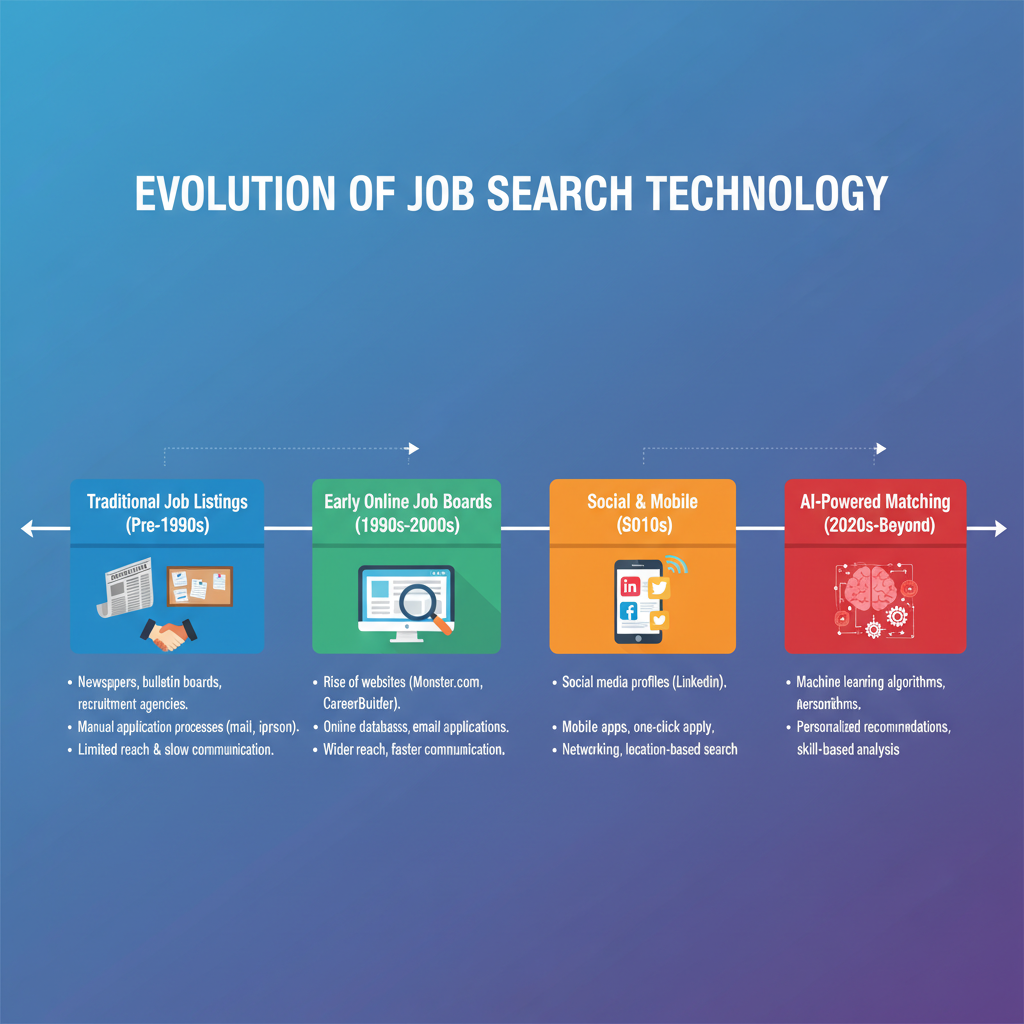
The landscape of employment websites has undergone a dramatic transformation. What once served as simple digital bulletin boards for job postings has evolved into sophisticated career ecosystems that support professionals throughout their entire career journey. Modern job search platforms now integrate advanced technologies and comprehensive resources that extend far beyond basic job listings.
Today's platforms leverage artificial intelligence to create personalized experiences for job seekers. Rather than requiring candidates to manually sift through hundreds of irrelevant postings, these systems analyze skills, experience, and career aspirations to deliver targeted opportunities. This shift represents a fundamental change in how professionals approach their job search—moving from volume-based strategies to precision-focused matching.
From Job Boards to Career Hubs
The evolution reflects a deeper understanding of what job seekers actually need. Modern employment websites recognize that finding the right position requires more than just access to listings. Professionals need skill development opportunities, networking capabilities, and career guidance to succeed in competitive markets.
Many platforms now offer integrated learning modules that help candidates build in-demand skills while actively searching for positions. This dual approach addresses a critical gap in the traditional job search process, where candidates often discovered skill deficiencies only after applying to roles. By providing these resources within the same ecosystem, platforms enable continuous professional development alongside opportunity exploration.
The Technology Behind Modern Platforms
Advanced matching algorithms have become the cornerstone of contemporary job search platforms. These systems analyze multiple data points including work history, educational background, certifications, and even career trajectory patterns to identify suitable opportunities. The technology considers factors that human recruiters might overlook, creating connections between candidates and roles that might not be immediately obvious through traditional search methods.
Manual edit 2026-02-24: Applicant Tracking Systems (ATS) have also evolved significantly. Modern systems provide better collaboration tools for hiring teams and more sophisticated filtering capabilities. Understanding how these systems work has become essential for job seekers, as resume optimization for ATS compatibility can significantly impact application success rates.
Networking and Community Features
The integration of professional networking capabilities marks another significant evolution. Rather than treating job searching as a solitary activity, modern platforms facilitate connections between job seekers, industry professionals, and potential employers. These networking features enable relationship building that can lead to opportunities not publicly advertised, addressing the reality that many positions are filled through professional connections rather than open applications.
This comprehensive approach transforms employment websites from transactional tools into ongoing career partners. The platforms support professionals not just during active job searches, but throughout their career development, creating sustained value that extends beyond individual job transitions.
Key Features to Look for in Modern Career Websites
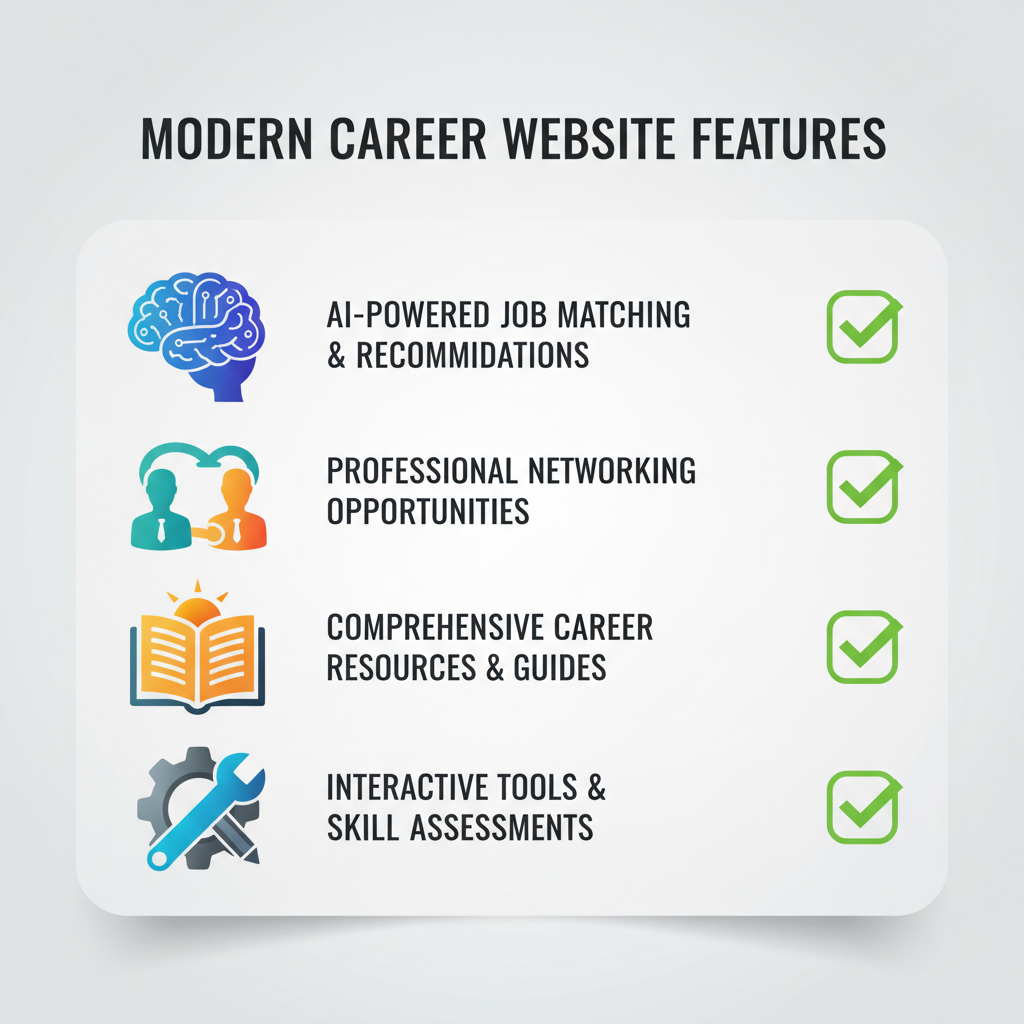
When evaluating job search platforms, understanding which features deliver real value can transform your search from frustrating to productive. Modern employment websites have evolved far beyond simple job listings, and knowing what to prioritize helps you invest your time wisely.
AI-Powered Matching and Personalization
Advanced platforms now use intelligent algorithms to match your profile with relevant opportunities. These systems analyze your skills, experience, and career preferences to surface positions that align with your goals. Rather than scrolling through hundreds of irrelevant listings, you receive curated recommendations that fit your specific situation.
Resume Optimization Tools
Many career websites now offer built-in resume builders and optimization features. These tools help ensure your application materials are formatted correctly and contain relevant keywords. Given that many employers use applicant tracking systems (ATS) to screen candidates, having access to ATS-friendly templates and guidance can significantly improve your visibility.
According to industry resources, collaboration features provide centralized platforms for hiring managers and team members to review applications, leave feedback, and communicate about candidates—understanding how these systems work helps you tailor your approach.
Skill Assessment and Development Resources
Look for platforms that offer skill assessments, certifications, and learning opportunities. These features help you identify gaps in your qualifications and provide pathways to address them. Some employment websites integrate training modules directly into their platforms, allowing you to build credentials while searching for opportunities.
Networking and Community Features
The best job search platforms facilitate professional connections beyond simple applications. Community forums, mentorship programs, and networking events create opportunities to build relationships that may lead to referrals or insider information about openings.
Transparency and Detailed Job Information
Modern career websites increasingly provide salary ranges, company culture insights, and detailed role descriptions upfront. This transparency saves time by helping you determine fit before investing effort in applications. Look for platforms that offer company reviews, interview insights, and compensation data.
Mobile Accessibility and Alerts
With job searching often happening on-the-go, mobile-friendly platforms with customizable alerts ensure you never miss timely opportunities. Push notifications for new matches, application status updates, and saved search results keep you informed without constant manual checking.
Application Tracking and Management
Organization is critical during active job searches. Platforms that help you track where you've applied, manage follow-ups, and store different resume versions streamline the process and prevent embarrassing duplicate applications or missed deadlines.
Sources
- ATS-Friendly Resume Format 2025: Best & Proven Guide
- The Ultimate Guide to Applicant Tracking Systems (ATS)
AI-Powered Matching Platforms: Precision Over Volume

The job search landscape has shifted dramatically from quantity-focused approaches to precision-driven strategies. Modern platforms leverage artificial intelligence to analyze your skills, experience, and career aspirations, then match you with opportunities that align closely with your professional profile. This represents a fundamental change in how candidates connect with employers.
Traditional job search methods often required applying to dozens or even hundreds of positions, hoping something would stick. AI-powered matching eliminates much of this inefficiency by focusing on quality over volume. These systems evaluate multiple dimensions of fit—including technical skills, soft skills, career trajectory, work preferences, and cultural alignment—to surface opportunities where you're most likely to succeed.
How AI Matching Technology Works
AI-powered job search platforms use machine learning algorithms to understand both candidate profiles and employer requirements at a deeper level than keyword matching alone. The technology analyzes patterns across successful placements to identify factors that predict strong matches. As you interact with the platform—viewing jobs, saving listings, or updating your profile—the system refines its understanding of your preferences and improves recommendation accuracy.
These platforms typically assess your profile against multiple criteria simultaneously. They consider your technical competencies, industry experience, educational background, career progression, and stated preferences for role type, company size, work environment, and compensation expectations. The result is a curated set of opportunities that genuinely align with where you are in your career and where you want to go.
Benefits of Precision Matching
The shift toward AI-driven precision offers several advantages for job seekers. First, it saves considerable time by reducing the number of irrelevant listings you need to filter through. Rather than spending hours scrolling through hundreds of postings, you can focus your energy on a smaller set of high-quality matches.
Second, precision matching often leads to higher application success rates. When the platform identifies genuine alignment between your profile and an employer's needs, your application is more likely to advance through initial screening stages. This creates a more positive job search experience with less rejection and faster progress.
Third, AI matching can surface opportunities you might not have discovered through traditional search methods. The technology identifies roles based on transferable skills and potential fit, not just exact job title matches. This is particularly valuable for career changers or professionals exploring adjacent fields.
Optimizing Your Profile for AI Matching
To maximize the effectiveness of AI-powered platforms, invest time in creating a comprehensive, detailed profile. The more information you provide, the better the algorithm can understand your unique value proposition and match you with appropriate opportunities.
Be specific about your skills and experience. Rather than listing generic capabilities, describe concrete projects, technologies, methodologies, and outcomes. Include both hard skills and soft skills, as many AI systems now evaluate interpersonal and leadership qualities alongside technical competencies.
Regularly update your profile to reflect new skills, certifications, or career interests. AI matching systems work best with current information, and keeping your profile fresh ensures you're considered for the most relevant opportunities as they become available.
Understanding Match Scores and Recommendations
Many AI-powered platforms provide match scores or compatibility ratings that indicate how well you align with a particular opportunity. These scores synthesize multiple factors into a single metric, helping you prioritize which applications to pursue first.
While match scores offer useful guidance, they shouldn't be your only consideration. Review the full job description, research the company, and assess factors the algorithm may not capture—such as company mission alignment, team dynamics, or growth potential. Use AI recommendations as a starting point for deeper evaluation rather than the final decision maker.
Some platforms also explain why they recommended a particular role, highlighting specific skills or experiences that align with the employer's needs. Pay attention to these insights, as they can help you tailor your application materials to emphasize the most relevant qualifications.
Comprehensive Career Hub Platforms
Modern job search platforms have evolved beyond simple job boards into comprehensive career ecosystems. These all-in-one platforms recognize that successful career development requires more than just access to job listings—they integrate multiple resources to support every stage of your professional journey.
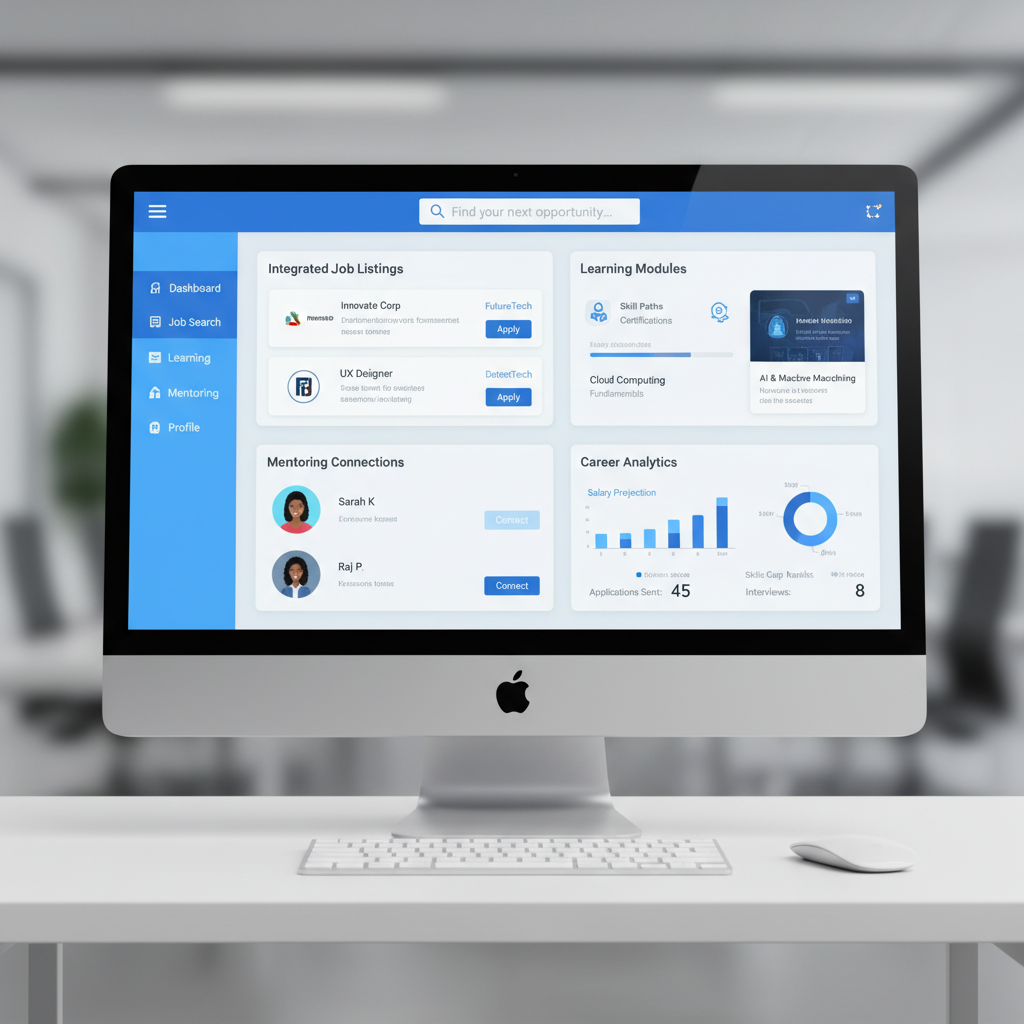
A true career hub platform combines job search functionality with professional development tools. Rather than navigating between multiple websites for different career needs, these platforms centralize everything in one accessible location. This integrated approach saves time and creates a more cohesive career development experience.
Core Components of Career Hub Platforms
Comprehensive platforms typically include several key features working together. Job listings form the foundation, but they're enhanced by skill-building courses that help you qualify for better positions. Many platforms now offer mentorship programs connecting you with experienced professionals in your field, providing guidance that goes beyond what any algorithm can offer.
Career coaching resources represent another valuable component. These may include resume builders, interview preparation tools, and career path planning features. Some platforms provide access to professional coaches for personalized guidance, while others offer automated tools powered by artificial intelligence.
Professional Development Integration
The most effective career hub platforms seamlessly integrate learning opportunities with job search activities. When you view a job posting that requires skills you don't yet have, the platform can immediately suggest relevant courses or certifications. This connection between opportunity and preparation helps you take concrete steps toward your career goals.
Networking features also play a crucial role in these ecosystems. Beyond traditional job applications, comprehensive platforms facilitate connections with industry professionals, alumni networks, and peer groups. These relationships often lead to opportunities that never appear in formal job listings.
Optimizing Your Profile for Maximum Impact
To leverage these platforms effectively, invest time in creating a complete profile. Many career hub platforms use your profile information to personalize recommendations for jobs, courses, and connections. The more detailed your profile, the more relevant the platform's suggestions become.
Consider how applicant tracking systems evaluate candidates when building your profile. Use industry-standard terminology and include relevant keywords naturally throughout your experience descriptions. This optimization helps both human recruiters and automated systems identify you as a strong match for appropriate opportunities.
Regularly updating your profile signals active engagement to potential employers. Even small updates—adding a new skill, completing a course, or refreshing your summary—can increase your visibility on the platform and demonstrate your commitment to professional growth.
Industry-Specific Employment Websites
While general job search platforms cast a wide net, industry-specific employment websites offer a targeted approach that can significantly enhance your job search efficiency. These niche platforms focus exclusively on particular career fields, connecting you with opportunities that align precisely with your professional expertise and industry knowledge.
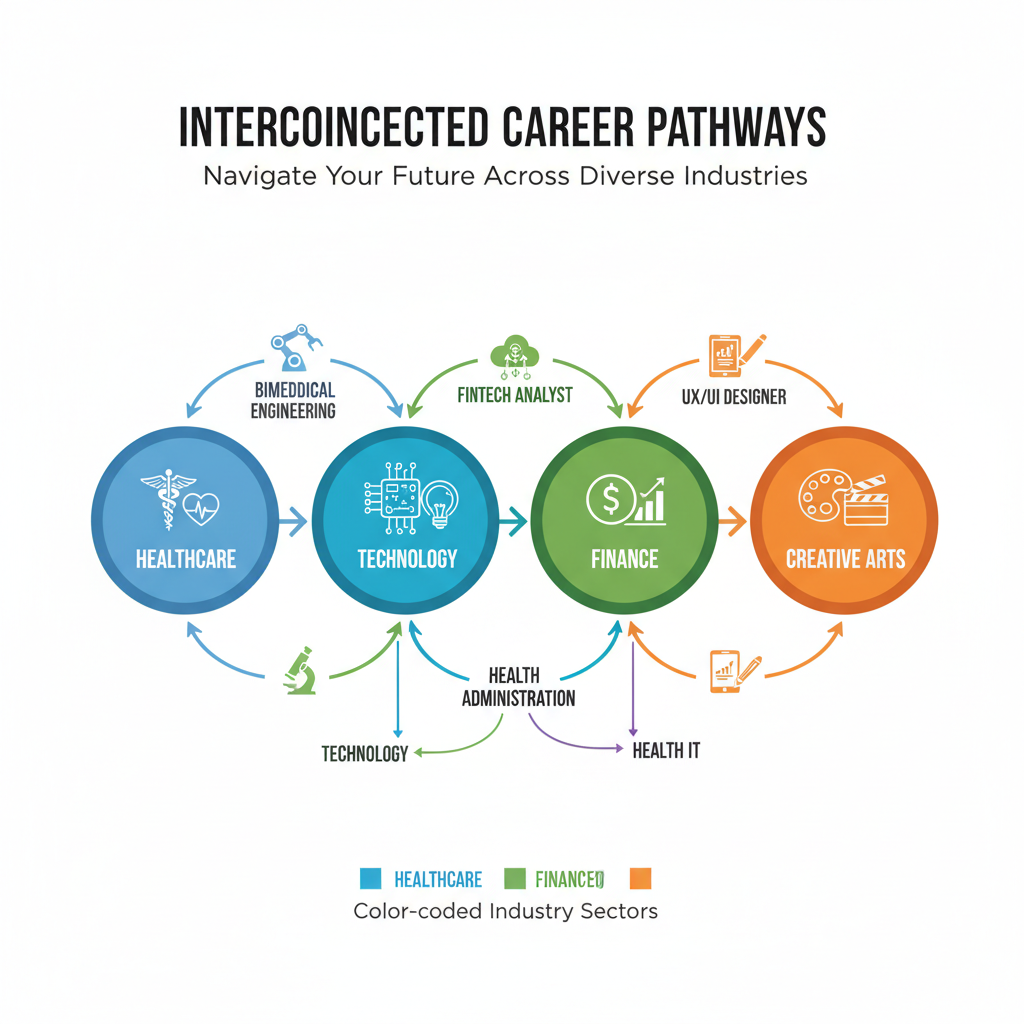
The primary advantage of industry-specific platforms lies in their specialized focus. Rather than sifting through thousands of irrelevant listings, you gain immediate access to opportunities within your field. These platforms understand the unique terminology, qualifications, and career pathways specific to your industry, making it easier to find roles that match your skill set.
Benefits of Niche Career Platforms
Industry-focused websites typically offer more than just job listings. They provide specialized resources tailored to your profession, including industry news, certification information, salary benchmarking specific to your field, and networking opportunities with professionals in similar roles. This comprehensive approach transforms these platforms into valuable career development tools rather than simple job boards.
Many niche platforms also feature employers who specifically seek candidates with industry experience. This means you're competing in a more targeted pool where your specialized knowledge is valued and understood. Recruiters on these platforms typically have deeper industry expertise, leading to more meaningful conversations about your qualifications and career goals.
Choosing the Right Industry Platform
When selecting an industry-specific platform, consider factors such as the platform's reputation within your field, the quality and quantity of listings, available networking features, and additional resources offered. Some industries have multiple specialized platforms, so exploring several options can help you identify which best serves your specific career needs.
For professionals in highly specialized fields, these niche platforms often prove more effective than general job search platforms, as they connect you directly with employers who understand and value your unique expertise.
Networking-Focused Career Platforms
While traditional job search platforms focus primarily on job listings and applications, networking-focused career platforms take a different approach by prioritizing relationship building and professional connections as the primary pathway to career opportunities. These platforms recognize that many positions are filled through professional networks and referrals rather than traditional application processes.
Networking-centric platforms create digital ecosystems where professionals can showcase their expertise, engage with industry peers, and build meaningful relationships that often lead to career advancement. The emphasis shifts from submitting applications to building visibility and credibility within your professional community.
Building Professional Relationships Online
These platforms provide structured ways to connect with professionals in your field, participate in industry discussions, and demonstrate your knowledge through content sharing and engagement. By facilitating authentic professional interactions, they help job seekers become known within their industries before opportunities even arise.
Many professionals find that consistent engagement on networking platforms leads to inbound opportunities, where recruiters and hiring managers reach out directly based on profile visibility and demonstrated expertise. This approach transforms job searching from an active pursuit into a more passive process where opportunities come to you.
Community-Driven Career Development
Networking platforms often feature industry-specific groups, discussion forums, and community spaces where professionals share insights, ask questions, and offer advice. These communities become valuable resources for learning about industry trends, discovering unadvertised opportunities, and gaining insider knowledge about companies and roles.
Active participation in these communities helps build your professional reputation and expand your network organically. The relationships formed through genuine engagement often prove more valuable than cold applications, as they come with built-in trust and mutual understanding of professional capabilities.
Leveraging Connections for Career Advancement
The most effective use of networking platforms involves strategic relationship building with a focus on providing value to your network. This might include sharing relevant industry content, offering helpful advice to peers, or connecting others who could benefit from knowing each other. These actions build social capital that can be invaluable during job searches.
When you do need to activate your network for a job search, these existing relationships provide warm introductions to companies, insider referrals that bypass traditional application processes, and valuable information about company culture and role expectations that isn't available through standard job postings.
Remote Work and Flexible Job Specialized Platforms
The rise of remote and hybrid work has created a distinct category of job search platforms designed specifically for flexible work arrangements. These specialized platforms go beyond simply filtering for remote positions—they verify legitimacy, curate quality opportunities, and provide tools tailored to the unique needs of distributed teams and location-independent professionals.

Unlike traditional employment websites that may include remote jobs as an afterthought, these platforms build their entire ecosystem around flexible work. They understand the nuances of remote hiring, from time zone considerations to communication preferences, and help both job seekers and employers navigate the complexities of distributed work arrangements.
What Makes Remote-Focused Platforms Different
Remote work platforms typically offer advanced filtering systems that go beyond the basic "remote" checkbox found on general job boards. You can often search by geographic restrictions, work arrangement type, communication expectations, travel requirements, and equipment support provided.
Many of these platforms also implement verification processes to screen out illegitimate postings. This is particularly valuable given the increase in remote work scams and misleading job descriptions that plague general job boards.
Key Features of Quality Remote Job Platforms
The best remote-focused platforms understand that location independence requires different information than traditional job searches. Look for platforms that provide transparent compensation details including whether salaries are location-adjusted or standardized globally, company remote maturity indicators showing whether an organization is remote-first or remote-friendly, and community sections offering guidance on home office setup and productivity tools.
Maximizing Your Remote Job Search
To get the most from remote-focused platforms, highlight your remote work experience and self-management capabilities prominently in your profile. Even if your previous roles weren't fully remote, emphasize any experience with distributed teams, asynchronous communication, or independent project management.
Be specific about your flexibility preferences. Some job seekers want complete location independence, while others prefer occasional in-person meetings or specific time zone alignment. Clear communication about your preferences helps platforms match you with appropriate opportunities.
Platforms for Entry-Level and Career Changers
Breaking into a new field or launching your career can feel overwhelming, but specialized job search platforms are designed to support exactly these transitions. These platforms recognize that early-career professionals and career changers bring valuable potential, even when traditional experience is limited.
The most effective platforms for this audience focus on transferable skills rather than rigid job history requirements. They help you identify how your existing abilities apply to new roles and industries, making it easier to position yourself as a viable candidate even when switching fields.
Skill-Building Integration
Many entry-level and career-change platforms integrate learning opportunities directly into the job search experience. This approach allows you to build relevant skills while actively searching for opportunities, closing gaps in your resume in real-time.
These platforms often partner with educational providers to offer courses, certifications, and micro-credentials that employers in your target field actually value. By completing these programs through the same platform where you're applying for jobs, you can immediately showcase new qualifications to potential employers.
Apprenticeship and Training Programs
Some platforms specialize in connecting candidates with apprenticeship opportunities and structured training programs. These pathways provide hands-on experience while earning income, making them particularly valuable for career changers who need to develop practical skills in a new field.
Transferable Skills Matching
Advanced platforms use matching algorithms that identify how skills from one industry or role translate to opportunities in another field. This technology is particularly valuable for career changers who may not realize how their background applies to new opportunities. By focusing on competencies rather than job titles, these platforms help you discover roles you might not have considered.
Executive and Senior-Level Career Platforms
Senior professionals and executives require a different approach to job searching than early-career candidates. Platforms designed for executive-level opportunities prioritize discretion, quality over quantity, and personalized service that matches the complexity of high-level career transitions.
These specialized platforms typically offer confidential search features that protect your current employment status while exploring new opportunities. Many executives need to conduct their search discreetly, and these platforms understand the sensitivity required when exploring senior-level moves.
Features of Executive Career Platforms
Executive-focused platforms often provide curated opportunity matching rather than open job boards. Recruiters and headhunters actively use these platforms to identify qualified candidates for senior roles, which means your profile works for you even when you're not actively searching.
Many platforms in this category offer executive coaching services, leadership assessment tools, and career advisory support. These resources help senior professionals navigate complex career decisions, negotiate compensation packages, and position themselves effectively for board positions or C-suite roles.
The Executive Search Experience
Unlike general job search platforms, executive platforms often operate on a relationship-based model. Your profile may be reviewed by executive recruiters who specialize in specific industries or functional areas. This personalized approach ensures that opportunities presented to you align with your experience level, industry expertise, and career aspirations.
Confidentiality settings allow you to control who can view your profile and contact you. Some platforms enable you to block specific companies or industries from seeing your information, providing an additional layer of privacy protection during your search.
How to Maximize Your Success on Job Search Platforms
Successfully navigating job search platforms requires more than simply uploading a resume and clicking apply. Strategic optimization of your profile, thoughtful keyword usage, and a systematic approach to managing applications can significantly improve your visibility and results.
Profile Optimization Fundamentals
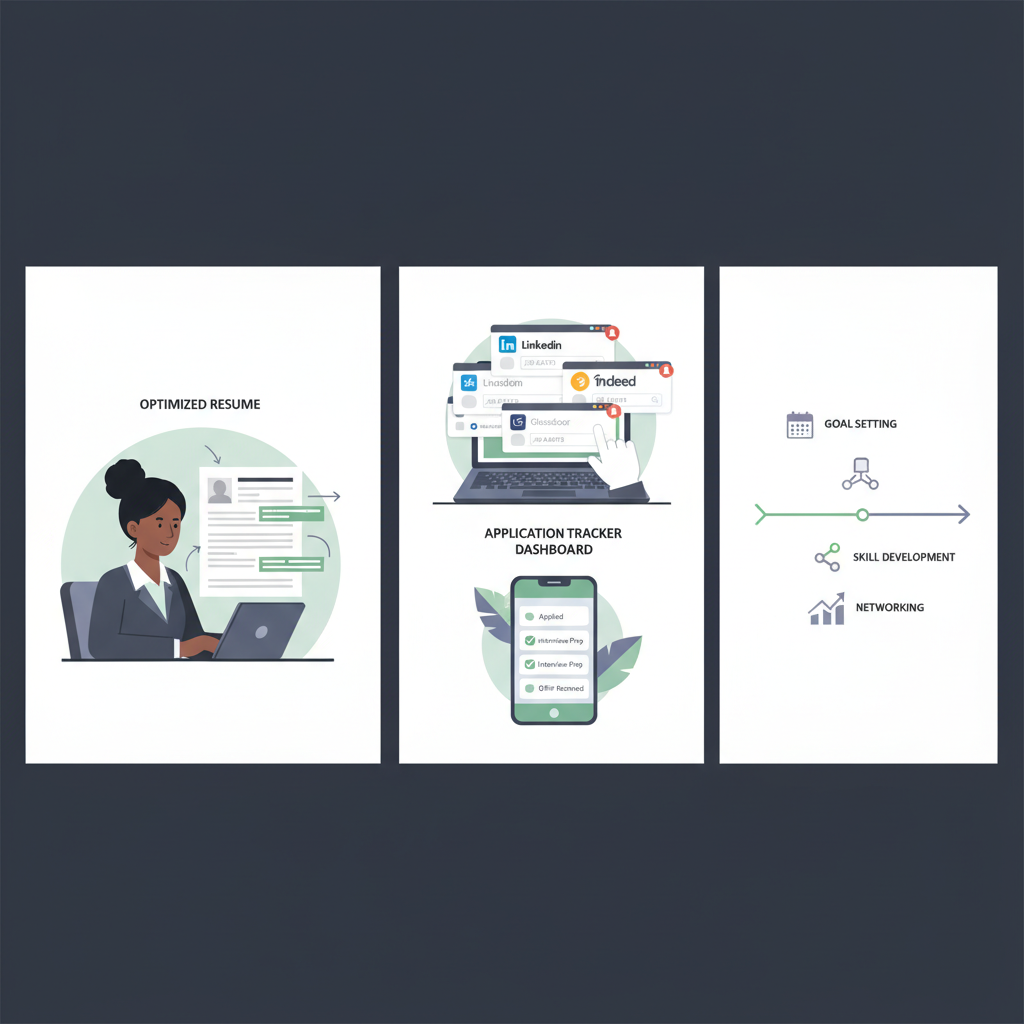
Your profile serves as your digital first impression. Complete every section thoroughly, ensuring consistency across all platforms you use. Include a professional photo where appropriate, craft a compelling headline that clearly communicates your value proposition, and write a summary that highlights your key strengths and career objectives.
Use industry-specific terminology naturally throughout your profile. Many platforms use search algorithms that match candidate profiles with job postings based on keyword relevance, so incorporating relevant terms from your target job descriptions can increase your discoverability.
Optimizing for Applicant Tracking Systems
Applicant Tracking Systems (ATS) are software applications that help employers manage the recruitment process by filtering and ranking resumes. Understanding how to optimize your resume for these systems is essential for getting past initial screening stages.
When creating your resume, use standard section headings like "Work Experience," "Education," and "Skills" rather than creative alternatives. Choose simple, clean formatting without tables, text boxes, or graphics that ATS software may struggle to parse correctly.
Incorporate relevant keywords from job descriptions naturally throughout your resume. Focus on including specific skills, certifications, and industry terms that match the positions you're targeting. However, avoid keyword stuffing, which can make your resume difficult to read for human reviewers.
Setting Up Strategic Job Alerts
Most platforms offer customizable job alert features that notify you when new opportunities matching your criteria are posted. Configure alerts with specific parameters including job titles, locations, experience levels, and company types to ensure you receive relevant notifications without overwhelming your inbox.
Implementing a Multi-Platform Approach
Relying on a single platform limits your exposure to opportunities. Develop a strategic presence across multiple job search platforms that align with your career goals, industry, and experience level. This diversified approach increases your chances of discovering opportunities that may only be posted on specific sites.
Tracking Your Applications Systematically
Create a tracking system to monitor every application you submit. Record the company name, position title, application date, platform used, and any follow-up actions needed. This organization helps you avoid duplicate applications, enables timely follow-ups, and provides valuable data about which platforms and strategies yield the best results.
Engaging Beyond Applications
Successful platform use extends beyond submitting applications. Engage with content, participate in relevant groups or discussions where available, and connect with professionals in your target industry. These activities increase your visibility and can lead to opportunities that aren't formally advertised.
Common Mistakes to Avoid When Using Employment Websites
Navigating job search platforms effectively requires awareness of common pitfalls that can undermine your efforts. Understanding these mistakes helps you develop a more strategic approach to your job search.
Relying on a Single Platform
Many job seekers make the mistake of limiting themselves to one employment website. Different platforms serve different purposes and audiences. Diversifying your platform usage increases your exposure to opportunities and reduces the risk of missing relevant openings.
Neglecting Profile Completeness
Incomplete profiles significantly reduce your visibility on job search platforms. Many sites use profile completion as a ranking factor when matching candidates with opportunities. Take time to fill out all available fields, including work history, skills, education, and professional summary.
Ignoring ATS Optimization
Applicant Tracking Systems filter resumes before human eyes see them. According to Kforce, creating an ATS-friendly resume requires testing for compliance and improving your resume with search engine optimization techniques. Failing to optimize your resume for these systems means your application may never reach a recruiter.
Spray-and-Pray Application Approach
Submitting generic applications to dozens of positions without customization rarely yields results. Quality applications tailored to specific roles consistently outperform high-volume, generic submissions. Focus on positions that genuinely match your qualifications and customize each application accordingly.
Not Utilizing Available Resources
Most modern job search platforms offer valuable resources beyond job listings—skill assessments, resume builders, career advice articles, and networking opportunities. Explore all features your chosen platforms provide to maximize their value.
Forgetting to Set Up Alerts
Many job seekers manually check platforms daily instead of configuring automated job alerts. Set up customized alerts based on your criteria to receive notifications as soon as relevant positions become available.
Overlooking Privacy Settings
Failing to review privacy settings can create awkward situations, especially if you're currently employed. Most platforms allow you to control who sees your profile and activity. Configure these settings appropriately to maintain confidentiality.
Sources
Comparing Platforms: How to Choose the Right One for You
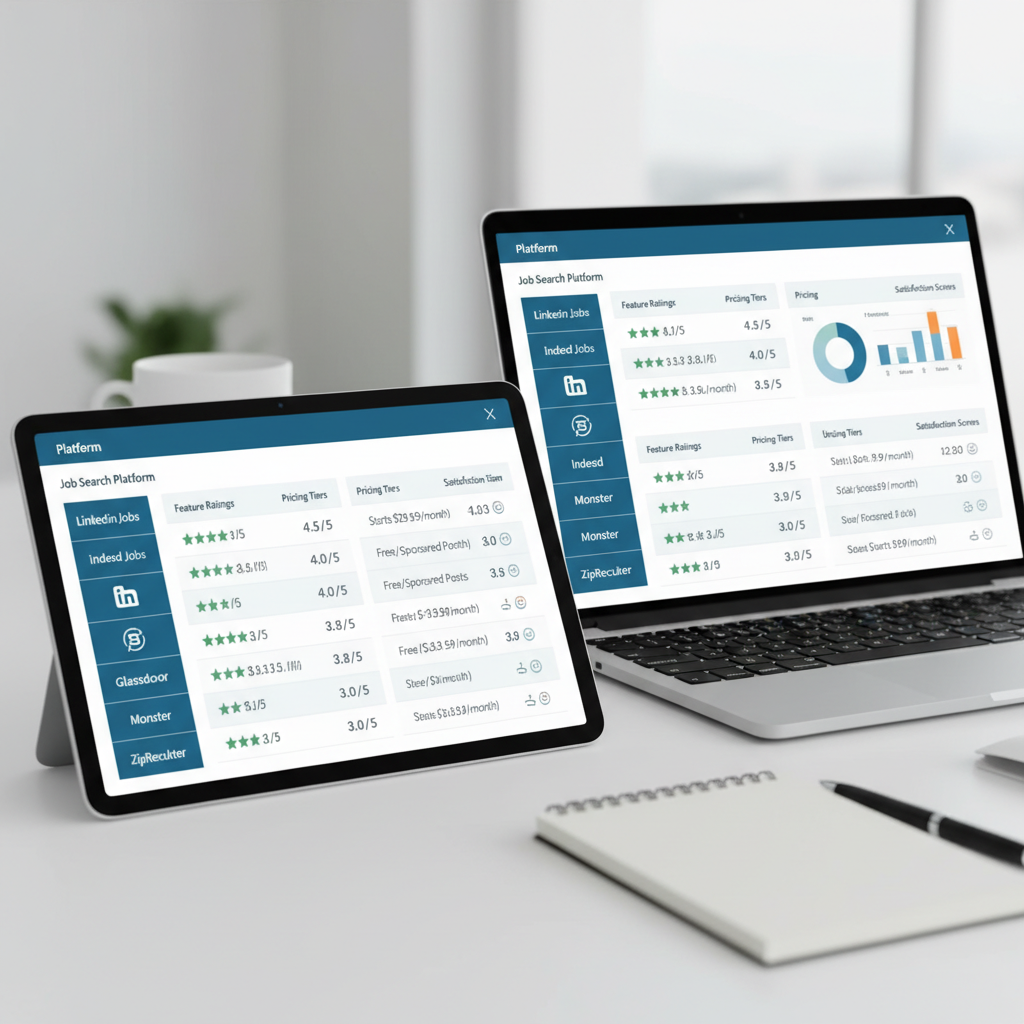
With numerous job search platforms available, selecting the right ones for your specific situation requires a strategic approach. Rather than spreading yourself too thin across every platform, focus on those that align with your career stage, industry, and job search goals.
Evaluate Based on Your Career Stage
Your current career level should guide your platform selection. Entry-level candidates benefit from platforms that emphasize skill-building and transferable skills, while mid-career professionals should prioritize sites with strong industry connections. Senior-level job seekers often need platforms offering confidential search features and executive-level opportunities.
Consider Industry-Specific Requirements
Some industries have specialized platforms that understand their unique hiring practices and terminology. General platforms work well for common roles across industries, but specialized fields like healthcare, technology, or creative services may require industry-focused sites.
Match Platforms to Your Job Type Preferences
Your ideal work arrangement should influence your platform choices. If you're seeking remote work, prioritize platforms that specialize in verifying legitimate remote opportunities. For traditional office roles, general platforms with strong local employer networks may serve you better.
Create Your Personalized Platform Strategy
Develop a multi-platform approach that covers your needs without overwhelming you. Most successful job seekers use a combination of three to five platforms: one or two general sites for broad reach, one industry-specific platform if applicable, and one focused on your preferred work arrangement.
Future Trends: What's Next for Career Websites Beyond 2026
The landscape of job search platforms continues to evolve at a rapid pace, driven by technological innovation and changing workforce expectations.

Deeper AI Personalization
Artificial intelligence is moving beyond basic job matching to create truly personalized career experiences. Future platforms will likely analyze not just your resume and preferences, but also your work patterns, learning style, and long-term career aspirations.
Virtual and Augmented Reality Integration
Virtual reality interviews and workplace tours are emerging as tools that allow candidates to experience company culture before accepting offers. These immersive technologies could help both job seekers and employers make more informed decisions.
Blockchain-Based Credentials
Blockchain technology promises to revolutionize how professional credentials, certifications, and work history are verified. This could eliminate lengthy background checks and make it easier for candidates to prove their qualifications across borders and industries.
Predictive Career Pathing
Advanced analytics are enabling platforms to offer predictive insights about career trajectories. By analyzing millions of career paths, these systems could suggest optimal next steps, identify skill gaps before they become barriers, and forecast which roles align best with individual career goals.
Enhanced Privacy and Data Control
As platforms collect more personal data to power these advanced features, privacy concerns are driving innovation in how candidate information is managed. Future platforms will likely offer more granular control over data sharing and transparent algorithms that explain why specific opportunities are recommended.
Frequently Asked Questions
What's the difference between free and paid features on job search platforms?
Most job search platforms offer basic functionality at no cost, including job searches, profile creation, and standard applications. Paid features typically provide enhanced visibility, priority application placement, advanced search filters, and additional resume tools.
How do job search platforms protect my privacy?
Reputable employment websites implement security measures to protect your personal information. Most platforms allow you to control profile visibility, choose whether to make your resume searchable by recruiters, and manage communication preferences.
Can I track my applications across multiple platforms?
While some comprehensive career platforms offer built-in application tracking, many job seekers find it helpful to maintain their own tracking system using a spreadsheet or dedicated job search organization tool.
Will employers see my profile if I'm currently employed?
Most job search platforms offer privacy controls that let you limit profile visibility. You can typically set your profile to "private" or "anonymous" mode, which prevents your current employer from viewing your job search activity.
How often should I update my profile on job search platforms?
Regular profile updates signal to platform algorithms and recruiters that you're an active candidate. Aim to refresh your profile at least monthly, even with minor updates like adding new skills or refining your job preferences.
Should I apply through the platform or directly on company websites?
Both approaches have merit. Applying through the platform ensures your application enters the company's applicant tracking system and may provide easier tracking. However, some employers prefer direct applications through their career pages.
How do I know if a job posting is legitimate?
Legitimate job postings typically include detailed job descriptions, clear company information, realistic salary ranges, and professional contact details. Be cautious of postings that require upfront payments, promise unrealistic earnings, or request sensitive personal information early in the process.
Conclusion
Navigating today's job market requires more than just submitting applications—it demands a strategic approach to the platforms you use. Throughout my career coaching sessions, I've consistently observed that candidates who thoughtfully select and leverage multiple job search platforms see significantly better outcomes than those who rely on a single source.
The landscape of employment websites has transformed into a sophisticated ecosystem where AI-powered matching, comprehensive career resources, and networking opportunities converge. Whether you're exploring industry-specific platforms, remote work hubs, or comprehensive career ecosystems, the key is understanding which tools align with your unique career stage, industry, and goals.
Take time to evaluate your options strategically. Build complete, ATS-optimized profiles across your chosen platforms. Set up targeted alerts. Engage with the skill-building and networking resources available. And most importantly, approach your job search with the understanding that these platforms are tools—powerful ones when used effectively, but only as effective as the strategy behind them.
The right job search platform can make a significant difference in your career journey. By combining the insights from this guide with a personalized, multi-platform approach, you'll position yourself to discover opportunities that truly align with your professional aspirations and maximize your success in the competitive job market.
Related reading: Resume Analysis: 9 Simple Expert Tips for Ultimate Improvement, Employer Demands: 12 Essential Skills for the Best Career

Written by
Emily Johnson
Published February 18, 2026 · 28 min read
Emily Johnson is a seasoned career strategist with over a decade of experience in recruitment and talent acquisition. With a background in human resources, she excels at helping professionals refine their job search strategies, from crafting compelling resumes to mastering interview techniques. As an expert in Applicant Tracking Systems (ATS), Emily is dedicated to guiding individuals toward their dream careers.
Want this kind of read on your résumé?
We'll tell you what's actually working, what's holding you back, and what to fix — in plain English.
Get My Job Match Score