
Honest Resume Feedback: Surprising Practical ATS Score Insights
Discover how honest resume feedback reveals low ATS score meaning and leads to powerful improvements in your job search strategy and results.
 Emily Johnson
Introduction
Key Takeaways
- Low ATS scores are not failures—they're opportunities for honest resume feedback that reveals alignment gaps between your resume and job requirements
- Understanding what a low score means helps you identify specific areas for improvement rather than feeling discouraged
- Reframing negative scores as constructive feedback transforms your job search strategy and increases your chances of landing interviews
- Honest, truthful evaluation of your resume against ATS criteria leads to targeted improvements that resonate with both systems and hiring managers
- The journey from a low score to a high match rate is achievable through strategic adjustments and a growth mindset
As someone who has been deeply immersed in recruitment and talent acquisition for over a decade, I've encountered my fair share of Applicant Tracking Systems. Yet, nothing prepared me for the moment when I received a 28% match score on my own resume for a dream job. At first, I felt a sting of disappointment. But then, I realized that this low score was actually one of the most useful pieces of honest resume feedback I had ever received.
We live in an era where Applicant Tracking Systems filter the majority of job applications before human eyes ever see them. When you receive a low ATS score, it's easy to feel defeated or question your qualifications. However, this score isn't a judgment of your worth or capabilities—it's a data point that reveals how well your resume aligns with the specific requirements of a job posting.
The truth is, honest resume feedback can help candidates align their resumes with both ATS requirements and human expectations, improving their chances of being noticed by hiring managers. When we embrace feedback that is free from deception and marked by integrity, we gain genuine insights into what's working and what isn't. A low score becomes less about rejection and more about direction.
This article will guide you through understanding what low ATS scores really mean, how to extract valuable insights from them, and practical strategies to transform that feedback into resume improvements that get results. Whether you're facing your first low score or your fifth, you'll discover how to turn these moments into stepping stones toward your career goals.
Sources
Understanding ATS Scores
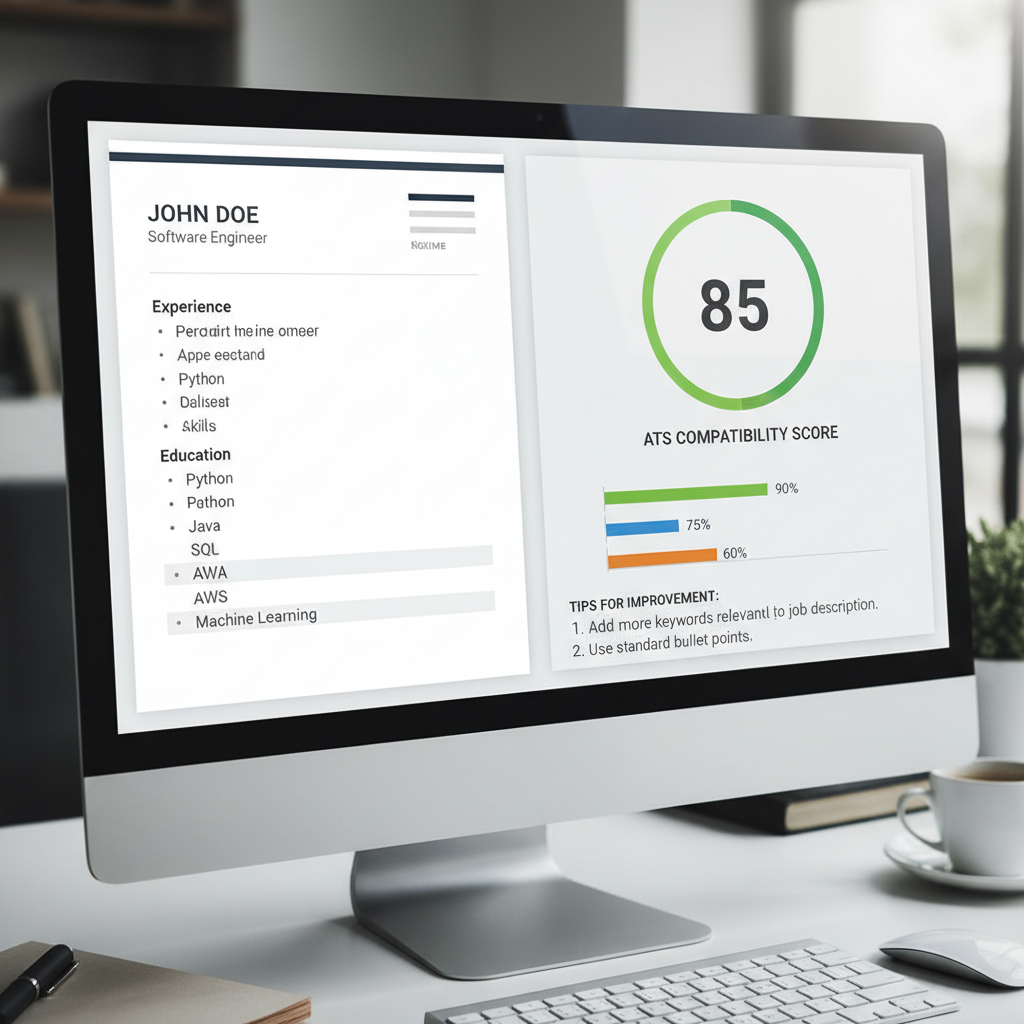
Applicant Tracking Systems have become the first gatekeepers in modern hiring. These software platforms scan, parse, and rank resumes before a human ever sees them. An ATS score represents how well your resume matches the specific job description, typically expressed as a percentage or numerical rating.
The calculation process involves several key factors. The system analyzes keyword matches between your resume and the job posting, evaluates the relevance of your skills and experience, and assesses how well your document is formatted for machine readability. Standard job titles, clear section headers, and straightforward layouts help the ATS accurately extract your information.
How ATS Scoring Works
When you submit your application, the ATS breaks down your resume into data points. It identifies your work history, education, skills, and qualifications, then compares them against the employer's requirements. The more alignment it finds, the higher your score climbs.
Many job seekers don't realize that formatting choices can dramatically impact their scores. Text boxes, multi-column layouts, and unusual fonts can confuse the parsing algorithm, causing it to miss critical information. Even if you're perfectly qualified, poor formatting can result in a low score simply because the system couldn't read your credentials properly.
The Significance in Your Job Search
Your ATS score determines whether your resume reaches a recruiter's desk. Most systems rank candidates by score, and hiring teams typically review only the top performers. This makes understanding ATS scores essential for anyone navigating today's competitive job market.
In 2026, employers prioritize resumes that demonstrate impact, clarity, relevance, and scannability. These qualities serve both human readers and automated systems. A resume optimized for ATS isn't just about gaming the system—it's about presenting your qualifications in the clearest, most compelling way possible.
What Your Score Really Tells You
Think of your ATS score as honest resume feedback from an objective source. A low score isn't a judgment of your worth as a candidate. Instead, it reveals gaps between how you've presented your experience and what the employer is seeking. This disconnect might stem from missing keywords, misaligned job titles, or insufficient detail about relevant accomplishments.
The good news? ATS scores give you concrete data to work with. Unlike vague rejection emails, a numerical score points to specific areas for improvement. When you understand what the system is measuring, you can strategically adjust your resume to better showcase your qualifications.
Sources
The Low ATS Score Meaning

Receiving a low ATS score can feel like a punch to the gut, especially when you've invested time crafting what you thought was a strong resume. But here's the truth: a low score isn't a reflection of your worth or capabilities. Instead, it's a signal that your resume isn't aligned with what the system—and ultimately, hiring managers—are looking for.
Think of a low ATS score as a diagnostic tool rather than a judgment. It reveals gaps between your resume's language and the job description's requirements. Maybe you've used different terminology for the same skills, or perhaps your formatting is confusing the parser. Whatever the reason, the score is pointing you toward specific areas that need attention.
What a Low Score Actually Tells You
A low ATS score typically indicates one or more of the following issues:
- Keyword mismatch: Your resume doesn't contain enough relevant terms from the job posting
- Formatting problems: Complex layouts, tables, or graphics that the ATS can't parse correctly
- Lack of specificity: Vague descriptions that don't clearly demonstrate your qualifications
- Missing critical information: Omitted skills, certifications, or experiences the role requires
Each of these issues is fixable. The score isn't telling you to abandon your job search—it's telling you where to focus your improvement efforts.
Honest Resume Feedback as a Growth Tool
When you reframe a low score as honest resume feedback, you unlock its real value. Modern employers prioritize resumes that demonstrate impact, clarity, relevance, and scannability. These qualities matter for both human readers and automated systems.
Rather than viewing the score as a barrier, treat it as a roadmap. It's showing you exactly what needs to change to increase your chances of landing an interview. This kind of direct, data-driven feedback is rare in the job search process—most of the time, applications disappear into a black hole with no explanation.
The Dual Audience Challenge
Your resume needs to satisfy two audiences: the ATS and the human hiring manager. A low score often means you've optimized for one at the expense of the other, or you haven't optimized for either. The good news is that improvements that help you pass ATS filters usually make your resume clearer and more compelling for human readers too.
Focus on creating a resume that's straightforward, keyword-rich, and achievement-focused. Use standard formatting with clear section headings. Match the language in the job description while staying authentic to your experience. These changes serve both audiences effectively.
Sources
Finding Value in Negative Feedback

Receiving a low ATS score can feel like a punch to the gut. You've poured time and effort into crafting your resume, only to be met with a number that suggests you're not good enough. But here's the truth: that low score isn't a verdict on your abilities—it's a roadmap for improvement.
The key is shifting your mindset from defeat to curiosity. Instead of seeing a 30% match as a rejection, view it as honest resume feedback that reveals exactly where your resume falls short. This kind of forthright evaluation is rare in the job search process, and when you receive it, you should embrace it.
Reframing Rejection as Opportunity
Negative feedback stings, but it's also one of the most powerful tools for growth. When an ATS system flags your resume as a poor match, it's telling you something specific: your document doesn't align with what the employer is looking for. This isn't personal—it's practical.
Consider this: would you rather submit a resume blindly and never hear back, or receive clear feedback that shows you exactly what needs to change? The latter gives you control. You can adjust your keywords, restructure your experience, and tailor your content to better match job requirements.
Strategies for Using Feedback Constructively
Once you've accepted that low scores are learning opportunities, the next step is putting that feedback to work. Start by analyzing the job description alongside your resume. Identify the skills, qualifications, and keywords that appear repeatedly in the posting but are missing or underrepresented in your document.
Next, be honest with yourself about how well your resume tells your story. Does it highlight your most relevant achievements? Is it organized in a way that makes your value immediately clear? Honest resume feedback can help candidates align their resumes with both ATS requirements and human expectations, improving their chances of being noticed by hiring managers.
Don't be afraid to seek additional perspectives. Share your resume with trusted colleagues, mentors, or professional resume reviewers who can offer sincere, constructive criticism. An honest appraisal is marked by free, forthright, and sincere expression—exactly what you need to make meaningful improvements.
Turning Scores into Action Items
Every low score should translate into specific, actionable changes. Create a checklist based on the feedback you receive:
- Are your job titles and section headings ATS-friendly?
- Do your bullet points include measurable achievements?
- Have you incorporated industry-specific keywords naturally?
- Is your formatting clean and compatible with parsing software?
Treat each adjustment as a small win. You're not starting over—you're refining and optimizing. The goal isn't perfection; it's progress. Each iteration of your resume should be stronger than the last, informed by the feedback you've gathered.
Remember, growth happens in the gap between where you are and where you want to be. Low ATS scores illuminate that gap, giving you the clarity you need to bridge it. Embrace the feedback, make the changes, and watch your scores—and your opportunities—improve.
Sources
Resume Improvement Strategies
Receiving a low ATS score can feel discouraging, but it's actually a roadmap for improvement. The key is to translate that honest resume feedback into actionable changes that align your resume with what hiring systems—and recruiters—are looking for. Here are practical strategies to help you turn a low score into a high-performing application.
Start with ATS-Friendly Formatting
One of the most common reasons resumes fail ATS scans is poor formatting. Keep your layout clean and simple by using standard fonts like Arial, Calibri, or Times New Roman. Avoid images, text boxes, headers and footers with critical information, or multi-column layouts that confuse parsing software. Stick to clear section headers like "Work Experience," "Education," and "Skills" so the ATS can easily categorize your information.
Use standard job titles that match industry norms. If your official title was "Customer Happiness Guru," consider listing it as "Customer Service Manager" to ensure the ATS recognizes your role. This small adjustment can significantly improve your score.
Mirror the Job Description Language
ATS systems scan for keywords and phrases that match the job posting. Read the job description carefully and identify the skills, qualifications, and responsibilities that appear most frequently. Then, weave those exact terms into your resume where they genuinely apply to your experience.
For example, if the posting emphasizes "project management" and "cross-functional collaboration," make sure those phrases appear in your work experience bullets—assuming you've actually performed those tasks. This isn't about keyword stuffing; it's about speaking the same language as the employer.
Test Your Resume Before Submitting
Before you hit "apply," run your draft through an ATS resume checker tool to see how well it scores. These free tools can reveal formatting issues, missing keywords, or sections that aren't being read correctly. Use the feedback to refine your document, then test again until you're confident it will pass through the system successfully.
This iterative process of testing and refining is one of the most effective ways to ensure your resume reaches human eyes.
Quantify Your Achievements
While ATS systems look for keywords, human recruiters look for impact. Strengthen your resume by quantifying your accomplishments wherever possible. Instead of "managed a team," write "managed a team of 8, increasing productivity by 25% over six months." Numbers make your contributions concrete and memorable.
Even if your role didn't involve obvious metrics, think creatively. Did you streamline a process? Train new hires? Improve customer satisfaction? Find ways to measure and communicate your value.
Keep It Relevant and Concise
Tailoring your resume doesn't mean rewriting it from scratch for every application, but it does mean prioritizing the most relevant experience. If a job focuses heavily on data analysis, lead with your analytical projects and skills. If it's a leadership role, emphasize your management experience.
Aim for a one-page resume if you have less than 10 years of experience, or two pages maximum for seasoned professionals. Every line should serve a purpose and support your candidacy for that specific role.
Sources
My Personal Experience with Low Scores
I'll never forget the day I received a 28% match score on my own resume for a position I was genuinely excited about. As someone who has spent over a decade in recruitment and talent acquisition, I thought I knew how to craft a strong resume. That low score was humbling, to say the least.
At first, I felt defensive. How could my years of experience translate to such a poor match? But after taking a step back, I realized this wasn't about my qualifications—it was about how I was presenting them. The score was actually providing honest resume feedback that I desperately needed but hadn't been willing to see on my own.
The Wake-Up Call I Needed
That 28% became my turning point. I printed out the job description and my resume side by side, and the disconnect was immediately obvious. I had used industry jargon that didn't match the language in the posting. I had buried key accomplishments under vague job duties. My skills section was outdated and didn't reflect what the employer was actually seeking.
The low score forced me to be brutally honest with myself about whether my resume truly represented my value in a way that aligned with what employers needed to see. It wasn't enough to know I was qualified—I had to communicate that qualification in the right language, format, and structure.
The Transformation Process
I went back to the drawing board and rebuilt my resume from scratch. I mirrored the terminology from the job description without keyword stuffing. I quantified my achievements with specific metrics. I reorganized sections to highlight the most relevant experiences first. Each change was guided by the feedback that low score had provided.
The process was time-consuming and required me to set aside my ego, but it was worth it. When I resubmitted my revised resume through an ATS checker, it scored 90%. More importantly, I landed an interview within two weeks and eventually got the position.
What I Learned About Feedback
This experience taught me that honest resume feedback—even when it comes in the form of a disappointing number—is one of the most valuable tools in a job search. It's not personal criticism; it's actionable data that shows you exactly where the gaps are between your presentation and employer expectations.
Now, I approach every low score as an opportunity rather than a setback. Each one reveals something specific I can improve, whether it's formatting, keyword optimization, or how I frame my accomplishments. The key is being willing to listen to what the feedback is telling you and making the necessary adjustments.
Sources
Moving Forward from Low Scores
Receiving a low ATS score can feel discouraging, but it's important to remember that these numbers are not a final verdict on your qualifications. They're simply indicators that your resume needs better alignment with the job description. The key to moving forward is shifting your perspective from seeing low scores as rejections to viewing them as actionable feedback that points you toward improvement.
Maintain a Growth-Oriented Mindset
When you receive honest resume feedback through a low ATS score, resist the urge to take it personally. Your skills, experience, and value as a professional remain intact. What needs adjustment is how you present those qualifications on paper. Approach each low score as a learning opportunity that reveals specific gaps between your resume and employer expectations.
Consider keeping a simple log of the scores you receive and the changes you make in response. This practice helps you identify patterns over time and understand which adjustments yield the best results. You'll begin to see improvement as a process rather than a single event.
Apply Lessons to Future Applications
Each application is a chance to refine your approach. After receiving a low score, take time to analyze the job description more carefully. Look for keywords, required skills, and qualifications that may not have been prominently featured in your original resume. Then, tailor your next application to better reflect those elements.
Demonstrate your skills through specific examples rather than simply listing them. Instead of stating that you possess certain soft skills, show how you've applied them in past roles through concrete achievements and situations. This approach helps both ATS systems and human recruiters understand the depth of your experience.
Stay Consistent and Patient
Improving your resume is rarely a one-time fix. It requires ongoing refinement as you apply to different positions and industries. Stay consistent in your efforts to align your resume with each opportunity, and be patient with the process. The improvements you make today will compound over time, leading to better scores and more interview opportunities.
Remember that every successful professional has faced setbacks in their job search. What separates those who succeed is their willingness to learn from feedback, adapt their strategy, and persist through challenges. Your low score today can become the foundation for your success tomorrow.
Sources
Conclusion
Receiving a low ATS score can feel discouraging at first, but it's important to remember that these scores are not a final judgment on your qualifications or potential. Instead, they serve as valuable diagnostic tools that reveal how well your resume aligns with specific job requirements. Throughout this article, we've explored how understanding the low ATS score meaning can transform your approach to job applications, turning setbacks into stepping stones for improvement.
Honest resume feedback, whether from an ATS scan or a trusted mentor, provides the clarity needed to refine your application materials. By identifying gaps in keyword usage, formatting issues, or misaligned experience descriptions, you gain actionable insights that can significantly boost your match rates. The strategies we've discussed—tailoring your resume to each job description, optimizing for both ATS and human readers, and maintaining a growth mindset—are essential components of a successful job search strategy.
Embracing low scores as opportunities for growth has transformed how I approach every application. Shortly after adjusting my resume based on honest feedback, my revised version hit a 90% match, landing me an interview. Remember, a low score today could be the stepping stone to your future success.
As you move forward in your job search, keep refining your resume with each application. Use every piece of feedback as a chance to learn and improve. The journey from a 28% match to a 90% match is not just about numbers—it's about developing a deeper understanding of how to communicate your value effectively. Stay persistent, remain open to constructive critique, and trust that each iteration brings you closer to your career goals.
Sources

Written by
Emily Johnson
Published May 5, 2026 · 18 min read
Emily Johnson is a seasoned career strategist with over a decade of experience in recruitment and talent acquisition. With a background in human resources, she excels at helping professionals refine their job search strategies, from crafting compelling resumes to mastering interview techniques. As an expert in Applicant Tracking Systems (ATS), Emily is dedicated to guiding individuals toward their dream careers.
Want this kind of read on your résumé?
We'll tell you what's actually working, what's holding you back, and what to fix — in plain English.
Get My Job Match ScoreYou Might Also Like
More articles to help you advance your career