
Role Targeted Resume: Best Expert Guide for Job Applications
Master the role targeted resume approach to enhance your job applications. Learn expert strategies to optimize resumes for specific roles and industries.
 Emily Johnson
Introduction
Key Takeaways
- A role targeted resume is tailored to align your skills and experiences with a specific job description, significantly improving your chances of landing interviews
- Generic resumes often fail to pass Applicant Tracking Systems and fail to capture the attention of hiring managers
- Customizing your resume for each application demonstrates genuine interest in the position and sets you apart from competitors
- Strategic resume tailoring involves analyzing job descriptions and highlighting relevant qualifications that match employer needs
- This expert guide will walk you through the complete process of creating effective job-specific resumes
In today's competitive job market, sending the same generic resume to every employer is a strategy destined to fail. A role targeted resume—a document specifically tailored to meet the requirements of each job posting—has become essential for job seekers who want to stand out. This approach involves adjusting your skills, education, and qualifications to match what each employer is actually looking for.
A few years ago, I learned this lesson firsthand when transitioning from a generalist HR role to talent acquisition. My broad, generic resume wasn't resonating with recruiters. After adopting a job-specific resume strategy and tailoring each application to emphasize relevant skills—like my ATS proficiency for roles involving Applicant Tracking Systems—the transformation was remarkable. I started receiving significantly more interview invitations.
The difference between a generic resume and a targeted one can be the difference between your application disappearing into a black hole and landing on a hiring manager's desk. When you customize your resume to align with specific industry requirements and role expectations, you're not just listing qualifications—you're demonstrating that you understand the position and possess exactly what the employer needs.
This comprehensive guide will show you how to master the job-specific resume strategy, from understanding job descriptions to measuring your success. Whether you're changing careers, seeking advancement, or entering a new industry, learning to create targeted resumes will unlock opportunities that generic applications simply cannot access.
Sources
Why Generic Resumes Fail

In today's competitive job market, a one-size-fits-all resume is a recipe for rejection. Generic resumes fail because they don't speak directly to the specific needs of hiring managers. When recruiters scan hundreds of applications, they're looking for clear evidence that you understand the role and possess the exact qualifications they need.
The Seconds-Long Scan Problem
Recruiters typically spend just seconds reviewing each resume during their initial screening. If your application doesn't immediately demonstrate alignment with the job requirements, it gets moved to the rejection pile. A generic resume forces hiring managers to work harder to connect your experience to their needs—and they simply won't invest that effort when targeted candidates are readily available.
This reality underscores why a role targeted resume approach is essential. Your resume must make the connection crystal clear within those critical first seconds.
The ATS Barrier
Many employers use Applicant Tracking Systems to filter resumes before human eyes ever see them. These systems scan for specific keywords and phrases that match the job description. A generic resume rarely contains the precise terminology needed to pass this automated screening.
When you fail to include the right keywords and align your experience with the job description, your resume may never reach a recruiter's desk. The ATS acts as a gatekeeper, and only resumes that demonstrate clear role alignment make it through.
Missing the Mark on Relevance
Generic resumes often highlight a broad range of skills and experiences without emphasizing what matters most for the specific position. This scattershot approach dilutes your strongest selling points and fails to tell a compelling story about why you're the ideal candidate.
Employers want to see that you've taken the time to understand their needs and can deliver on their specific requirements. A generic resume signals a lack of genuine interest in the position and suggests you're mass-applying without strategic thought.
Sources
Understanding Job Descriptions
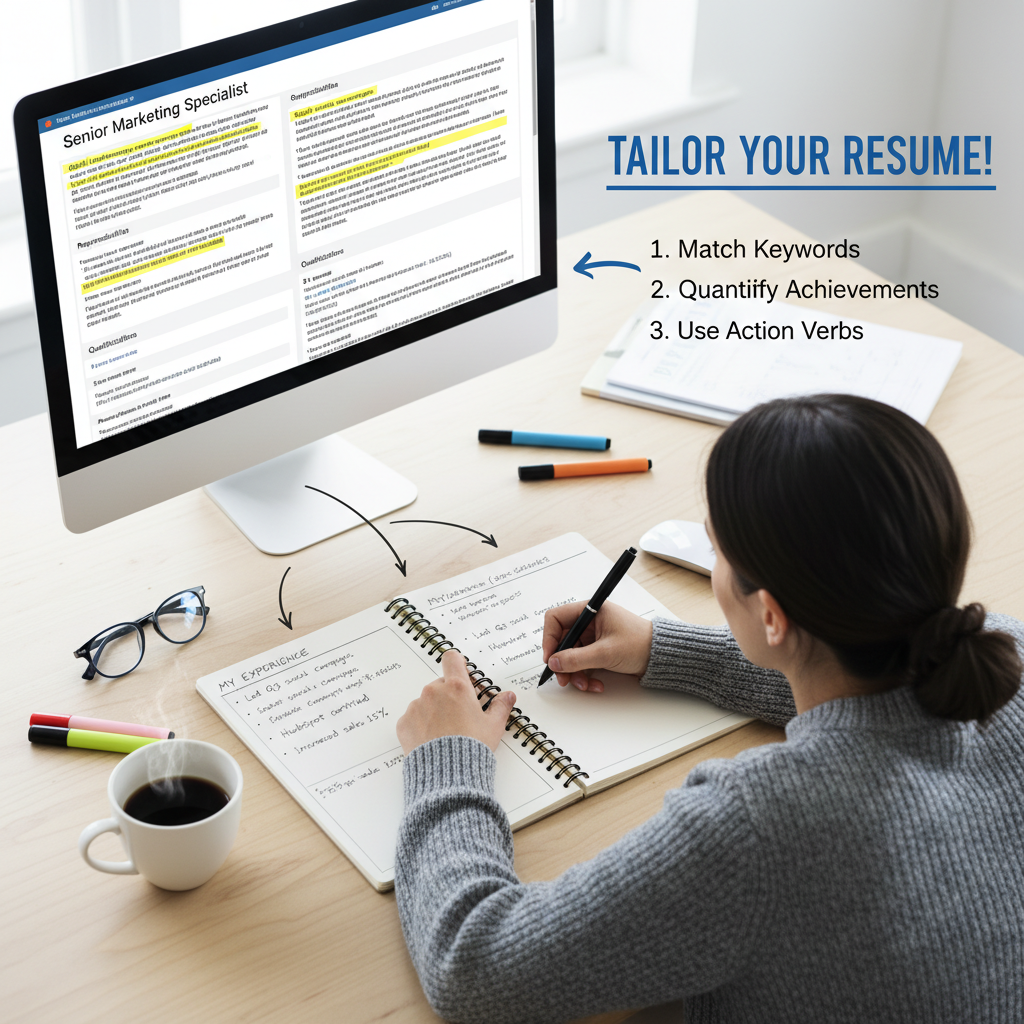
Job descriptions are more than just a list of duties—they're a roadmap for creating a role targeted resume that speaks directly to what employers need. Learning to dissect these documents effectively is the foundation of any successful job-specific resume strategy.
Breaking Down the Essential Components
Every job description contains several key elements that deserve your attention. Start by identifying the required qualifications, which typically appear near the top or in a dedicated section. These are non-negotiable skills and experiences the employer expects candidates to possess.
Next, examine the preferred qualifications or "nice-to-have" skills. While not mandatory, highlighting these on your resume can give you a competitive edge. Pay close attention to the responsibilities section, as it reveals what you'll actually be doing day-to-day and what achievements you should emphasize from your past roles.
Identifying Keywords and Phrases
When writing a targeted resume, incorporate keywords and phrases from the job posting to ensure that your skills and experiences match what the employer is looking for. These keywords often include specific technical skills, software proficiencies, industry terminology, and soft skills like "collaboration" or "leadership."
Many employers use Applicant Tracking Systems to filter resumes, so including the right keywords and aligning your experience with the job description can significantly improve your chances of passing this initial screening. Create a list of repeated terms and phrases—if "project management" appears three times, it's clearly important to the role.
Reading Between the Lines
Beyond the obvious requirements, job descriptions often reveal the company's priorities and culture. Notice the order in which skills are listed—items mentioned first are typically most important. Pay attention to action verbs used in the responsibilities section; these same verbs should appear in your resume's accomplishment statements.
Look for clues about the team structure and reporting relationships. If the description mentions "cross-functional collaboration," be sure to highlight examples of teamwork. If it emphasizes "independent decision-making," showcase your autonomy and initiative.
Creating Your Keyword Matrix
Develop a simple spreadsheet or document that maps the job description's requirements to your own qualifications. In one column, list the employer's stated needs. In the adjacent column, note specific examples from your background that demonstrate each requirement.
This exercise helps you identify gaps in your qualifications and determine which experiences deserve prominence on your resume. It also ensures you're addressing every major requirement the employer has outlined, making your application comprehensive and compelling.
Sources
The Process of Customization
Customizing your resume for each job application is a systematic process that transforms a generic document into a targeted marketing tool. While it requires effort upfront, this strategic approach significantly increases your chances of landing interviews. The key is developing a repeatable workflow that makes customization efficient and effective.
Start with a Master Resume
Begin by creating a comprehensive master resume that includes all your professional experience, skills, achievements, and qualifications. This document serves as your content repository—a complete record of everything you might want to highlight. Your master resume doesn't need to be concise; it's a working document that you'll draw from when creating targeted versions.
Keep this master document updated with new accomplishments, certifications, and skills as you acquire them. This practice ensures you never forget valuable experiences and makes the customization process faster.
Analyze the Job Description Thoroughly
Before modifying your resume, invest time in understanding what the employer truly needs. Review the job posting carefully and identify the required qualifications, preferred skills, and key responsibilities. Pay attention to recurring themes and phrases that signal what matters most to the hiring team.
Create a checklist of the essential requirements and prioritize them based on how frequently they appear in the description. This analysis becomes your roadmap for customization.
Match Keywords and Skills
When creating a targeted resume, focus on highlighting the most relevant skills for the role, matching keywords from the job description, and prioritizing experience that aligns with the position. This alignment helps your resume pass through applicant tracking systems and resonates with human reviewers.
Incorporate industry-specific terminology and technical skills mentioned in the posting. If the job emphasizes certain software, methodologies, or competencies, ensure these appear in your resume where you genuinely possess that experience.
Reorder and Emphasize Relevant Experience
Not all your experience carries equal weight for every position. Reorganize your professional history to spotlight the most relevant roles and accomplishments. For instance, if a job posting emphasizes project management skills, a targeted resume will prominently feature relevant background and achievements to catch the hiring manager's eye.
Consider creating a "Relevant Experience" section that highlights specific projects or roles, even if they weren't your most recent positions. You can still include other experience in a separate section to show your complete work history.
Customize Your Professional Summary
Your resume's opening statement should immediately demonstrate alignment with the role. Revise your professional summary or objective to mirror the job's core requirements and use language that reflects the company's values and industry.
This section sets the tone for the entire document and gives recruiters an instant understanding of why you're a strong match.
Quantify Achievements Strategically
Numbers and metrics make your accomplishments concrete and memorable. When customizing your resume, select quantifiable results that relate directly to the role's success metrics. If the position focuses on revenue growth, highlight sales achievements. If it emphasizes efficiency, showcase time or cost savings.
Even if you use the same accomplishments across different applications, frame them differently to emphasize aspects most relevant to each specific role.
Review and Refine
After customization, review your resume to ensure it tells a cohesive story about why you're the ideal candidate for this specific position. Check that your keyword integration feels natural rather than forced, and verify that every section contributes to your overall narrative.
Have someone else review the customized version if possible, or set it aside and return with fresh eyes before submitting.
Sources
Job Specific Resume Strategy
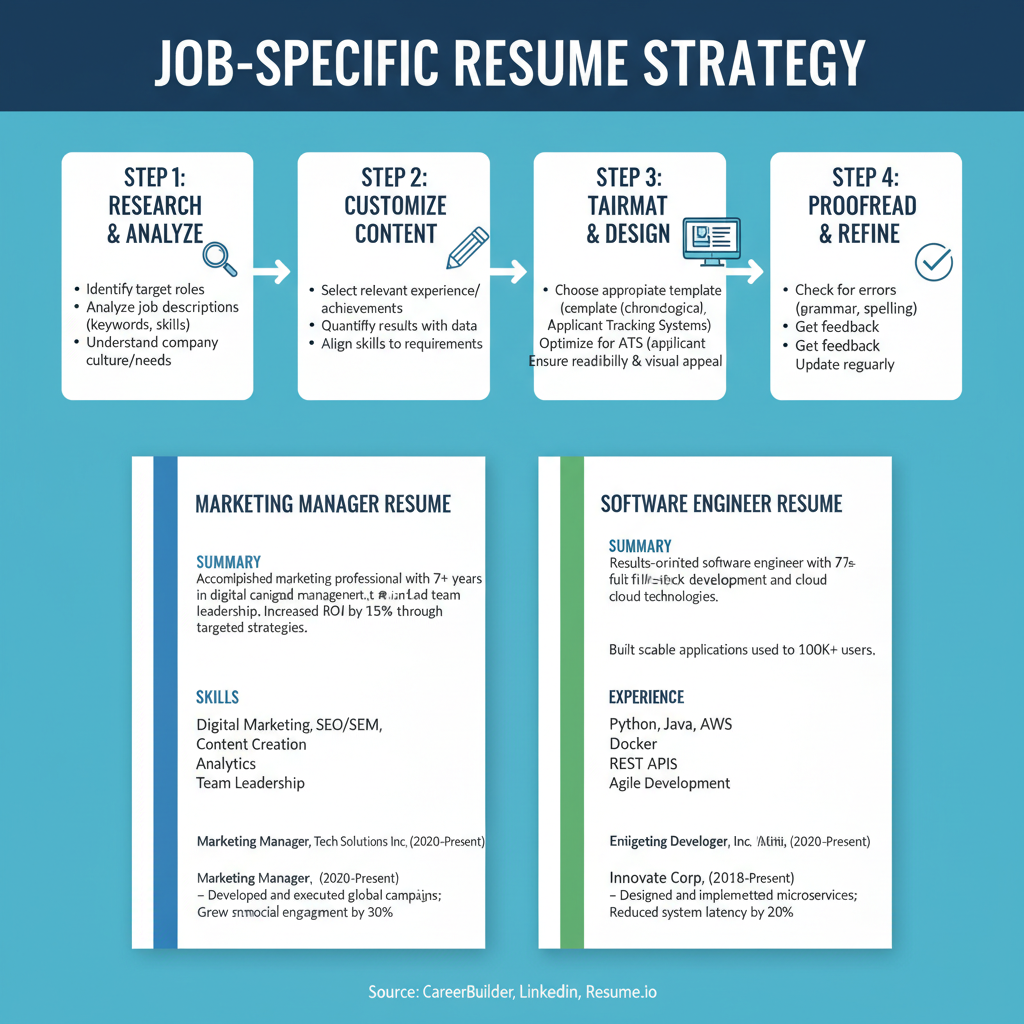
Implementing a job specific resume strategy transforms your application from a generic overview into a targeted pitch that speaks directly to hiring managers. This approach requires intentional customization that demonstrates your understanding of the role and highlights the qualifications most relevant to the position.
The foundation of this strategy lies in treating each application as unique. Rather than sending the same document to multiple employers, you'll create tailored versions that align with specific job requirements and organizational needs.
Core Components of a Role Targeted Resume
A successful job-specific resume begins with careful analysis of the job posting. Identify the top three to five skills or qualifications the employer emphasizes, then reorganize your experience to feature these prominently. Your professional summary should mirror the language used in the job description, creating an immediate connection between your background and their needs.
Your work experience section becomes the centerpiece of customization. Instead of listing generic duties, select accomplishments that directly relate to the target role's responsibilities. If the position requires project management expertise, emphasize projects you've led. If client relations is critical, showcase your relationship-building achievements.
Demonstrating Impact Over Duties
Today's hiring landscape demands evidence of tangible results. Hiring managers want to see business awareness, leadership agility, and measurable outcomes rather than a simple recounting of responsibilities. Frame your achievements using quantifiable metrics wherever possible.
For example, rather than stating "managed recruitment processes," specify "optimized recruitment workflows, reducing time-to-hire by 30% while improving candidate quality scores." This shift from duty-based to impact-focused language demonstrates the value you bring to an organization.
Tailoring Technical and Soft Skills
Your skills section should reflect the specific competencies mentioned in the job posting. If the role requires proficiency with particular systems or methodologies, list those first. Remove or downplay skills that aren't relevant to the target position, even if they're impressive in other contexts.
Soft skills deserve equal attention. If the job description emphasizes collaboration, provide concrete examples of successful team projects. If independent problem-solving is valued, highlight instances where you took initiative to resolve challenges.
Strategic Keyword Integration
Incorporating relevant keywords helps your resume perform well in applicant tracking systems while demonstrating alignment with the role. Use exact phrases from the job description when they accurately describe your experience, but avoid keyword stuffing that makes your resume read unnaturally.
Pay attention to industry-specific terminology and certifications mentioned in the posting. If you possess these qualifications, feature them prominently in your summary and relevant sections.
Practical Application Examples
Consider two different target roles: a talent acquisition specialist position and a human resources generalist role. For the talent acquisition role, you would emphasize your experience with candidate sourcing strategies, interview processes, and ATS optimization. Your achievements might focus on metrics like candidate pipeline development and offer acceptance rates.
For the HR generalist position, you'd shift emphasis to broader responsibilities like employee relations, policy implementation, and cross-functional collaboration. The same base experience gets reframed to highlight different aspects of your background.
Maintaining Authenticity While Customizing
While tailoring your resume is essential, never misrepresent your experience or fabricate qualifications. The goal is to thoughtfully select and present genuine accomplishments that align with the target role. If you lack a specific qualification, consider how your transferable skills address the underlying need.
Customization doesn't mean creating entirely new content for each application. Develop a master resume containing all your achievements, then strategically select and emphasize elements that match each opportunity. This approach maintains consistency while allowing targeted presentation.
Sources
Common Mistakes to Avoid
Even with the best intentions, many job seekers fall into common traps when creating targeted resumes. Understanding these pitfalls can help you craft a more effective application that stands out to recruiters and passes through screening systems.
Using the Same Resume for Every Application
One of the most critical mistakes is sending a generic resume to multiple employers. Recruiters typically spend only seconds scanning each resume, and if your application doesn't clearly match the job requirements, it's likely to be rejected quickly. Each role deserves a customized approach that highlights relevant experience and skills specific to that position.
Tailoring doesn't mean rewriting your entire resume from scratch. Instead, focus on adjusting key sections like your summary, skills list, and achievement bullets to align with the specific role you're targeting.
Overlooking Modern Resume Standards
Resumes need regular updates to stay current with hiring trends. Outdated formatting, generic job titles as headers, or old-fashioned language can signal that you're not keeping pace with professional standards. Consider modernizing your document by rewriting your summary to reflect current goals, using action-oriented verbs, and quantifying your achievements with specific metrics.
Your resume should also sync with your professional online presence. Inconsistencies between your resume and profiles can raise red flags for recruiters who cross-reference your materials.
Ignoring Keywords and Job Requirements
Failing to incorporate keywords from the job description is a missed opportunity. Many organizations use screening systems that filter applications based on specific terms. If your resume lacks these keywords, it may never reach a human reviewer, regardless of your qualifications.
Carefully review the job posting and naturally integrate relevant terms throughout your resume. Focus on skills, qualifications, and industry-specific language that appears in the requirements section.
Overloading with Irrelevant Information
Including every job you've ever held or skills unrelated to the target role dilutes your message. Recruiters want to see a clear connection between your background and their needs. Prioritize experiences and competencies that directly support your candidacy for the specific position.
Be selective about what you include. If an experience doesn't strengthen your case for this particular role, consider removing it or condensing it to a single line.
Neglecting Professional Contact Details
Using an unprofessional email address or outdated contact information can undermine your credibility. Ensure your email address is professional, typically a variation of your name, and verify that all contact details are current and accurate.
Small details matter. A polished, professional presentation in every aspect of your resume demonstrates attention to detail and seriousness about the opportunity.
Sources
Measuring Success
Once you've invested time in creating a role targeted resume, it's essential to evaluate whether your efforts are paying off. Measuring success isn't just about counting interview invitations—it's about understanding which elements of your customization strategy are working and where you can improve. By tracking specific metrics and gathering feedback, you can refine your approach and increase your effectiveness in future applications.
Track Your Application Response Rate
Start by monitoring how many applications result in responses from employers. Calculate your response rate by dividing the number of callbacks or interview requests by the total number of applications submitted. If you're customizing your resume for each role, you should see this percentage improve over time. A low response rate may indicate that your resume isn't passing through Applicant Tracking Systems or that your customization needs to be more precise. Many employers use these systems to filter resumes, so including the right keywords and aligning your experience with the job description can significantly improve your chances of passing this initial screening.
Analyze Interview Conversion Patterns
Pay attention to which types of roles or industries generate the most interview opportunities. If you're consistently getting interviews for certain positions but not others, examine what's different about those successful applications. Look at the keywords you emphasized, the accomplishments you highlighted, and how closely you matched the job requirements. This pattern analysis helps you understand which customization tactics resonate most with hiring managers in specific sectors.
Gather Feedback From Recruiters
Whenever possible, ask for feedback from recruiters or hiring managers, especially after interviews that don't result in offers. While not everyone will respond, those who do can provide valuable insights into how your resume was perceived. Were there gaps in your experience? Did certain qualifications stand out? This direct feedback is invaluable for making targeted improvements to your resume strategy.
Treat Your Resume as a Living Document
Your professional brand should evolve continuously based on the data you collect. As one expert notes, "The combination of AI screening, lateral mobility, and skill-based hiring means your professional brand is now a living document." Review and update your master resume regularly, adding new accomplishments and refining your language based on what's working. Each application becomes a test case that informs your next iteration.
Monitor Time-to-Interview Metrics
Track how long it takes from application submission to receiving an interview request. If you notice faster responses after implementing a more targeted approach, that's a strong indicator your customization is effective. Conversely, if weeks pass without responses, it may be time to reassess your keyword strategy or how you're presenting your qualifications.
By systematically measuring these indicators, you transform resume writing from guesswork into a data-driven process. Success isn't just about landing one interview—it's about building a repeatable strategy that consistently positions you as the ideal candidate for your target roles.
Sources
Conclusion
Adopting a role targeted resume approach is no longer optional in today's competitive job market—it's essential. Throughout this guide, we've explored why generic resumes fall short, how to decode job descriptions, and the systematic process of customizing your resume for each application. The evidence is clear: tailoring your resume to align with specific roles and industries significantly increases your chances of passing through applicant tracking systems and capturing the attention of hiring managers.
The transformation I experienced when I shifted from a generic resume to a job-specific resume strategy was remarkable. By meticulously aligning my qualifications with each role's requirements, I moved from being overlooked to receiving multiple interview invitations. This same strategy has helped countless professionals I've coached break through the noise and land opportunities that seemed out of reach.
As you move forward with your job search, remember that customization doesn't mean starting from scratch each time. Build a comprehensive master resume, then strategically adapt it for each application by emphasizing relevant skills, incorporating keywords from the job description, and showcasing achievements that directly address the employer's needs. Track your results, refine your approach based on response rates, and continuously improve your strategy.
The investment of time in creating targeted resumes pays dividends through higher interview rates, better job matches, and ultimately, career advancement. Your resume is your personal marketing document—make every version count by ensuring it speaks directly to the role you're pursuing. Start implementing these strategies today, and watch as your job applications transform from overlooked submissions into compelling cases for why you're the ideal candidate.
Sources

Written by
Emily Johnson
Published May 5, 2026 · 18 min read
Emily Johnson is a seasoned career strategist with over a decade of experience in recruitment and talent acquisition. With a background in human resources, she excels at helping professionals refine their job search strategies, from crafting compelling resumes to mastering interview techniques. As an expert in Applicant Tracking Systems (ATS), Emily is dedicated to guiding individuals toward their dream careers.
Want this kind of read on your résumé?
We'll tell you what's actually working, what's holding you back, and what to fix — in plain English.
Get My Job Match ScoreYou Might Also Like
More articles to help you advance your career