

Job Application Silence: Surprising Expert Insights and Solutions
Experiencing job application silence after applying? Discover surprising expert insights on why it happens and practical solutions to overcome it.
 Emily Johnson
Introduction
Key Takeaways
- Job application silence is a common experience that doesn't reflect your qualifications or worth as a candidate
- Applicant Tracking Systems (ATS) often create barriers between qualified candidates and human recruiters
- Understanding why silence happens is the first step toward developing effective strategies to overcome it
- Tailoring your approach and learning system requirements can dramatically improve your response rate
- Persistence and strategic adjustments, rather than self-doubt, are key to breaking through the silence
If you've been sending out application after application only to be met with deafening silence, you're not alone. The frustration of receiving no interview responses can be overwhelming, leaving you questioning your skills, experience, and professional value. But here's what most job seekers don't realize: that silence often has nothing to do with your qualifications.
I vividly remember earlier in my career when I felt this exact sting of job search frustration. After applying to what felt like hundreds of positions, I was met with nothing but radio silence. It was disheartening, and I started questioning my abilities. One day, while discussing this with a mentor, I discovered the hidden world of Applicant Tracking Systems. My applications weren't being ignored because of my lack of qualifications—they were getting lost in what I call the 'application black hole.'
The reality is that modern hiring processes have created invisible barriers between talented professionals and the opportunities they deserve. Automated systems scan and filter applications before human eyes ever see them. Overwhelmed recruiters manage hundreds of applicants per opening. Corporate policies sometimes prevent companies from responding to every candidate. None of this reflects your worth as a professional.
In this guide, we'll explore the surprising reasons behind job application silence and, more importantly, provide you with practical strategies to break through the noise. You'll learn how to optimize your applications for both technology and human reviewers, how to navigate the modern job search landscape more effectively, and how to maintain your confidence throughout the process. If you're facing this challenge right now, understand that it's not a reflection of your abilities—it's about learning to work with the system to let your true potential shine through.
Understanding Job Application Silence
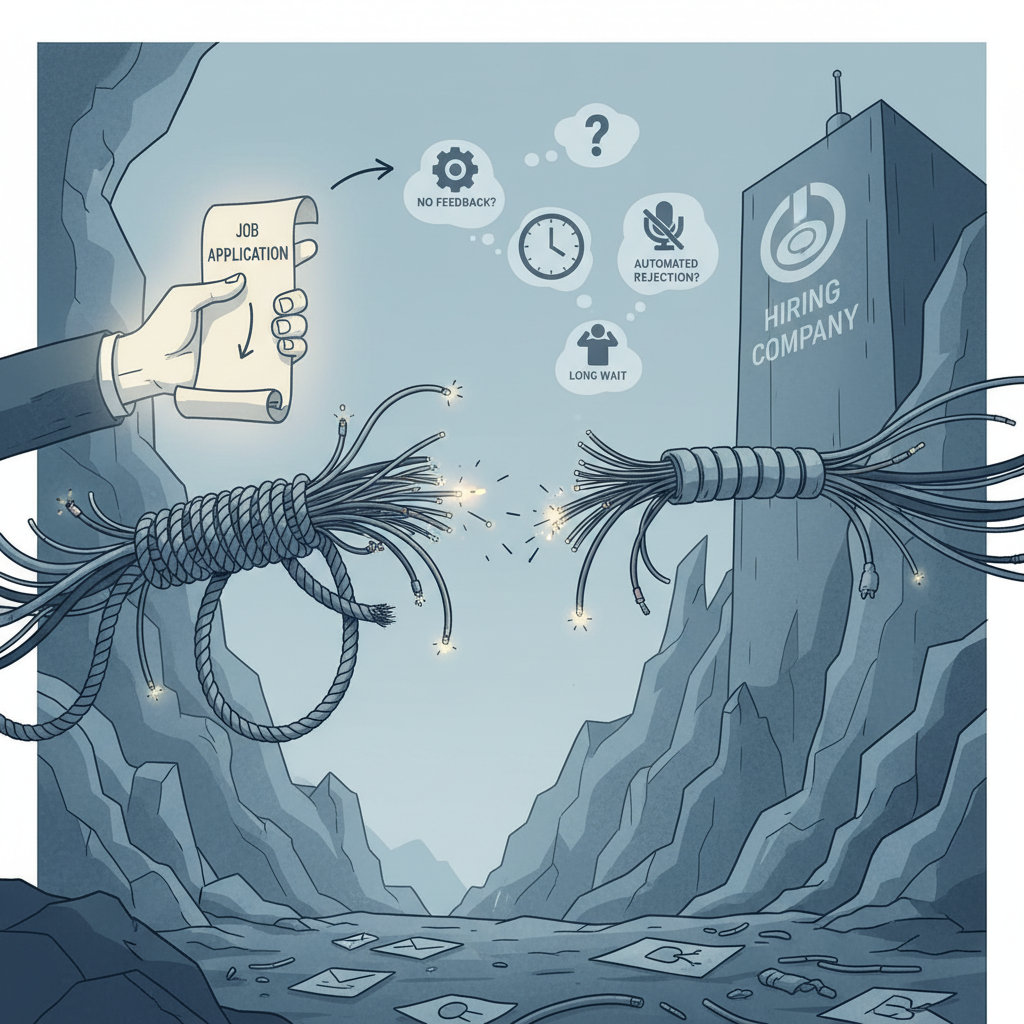
You've spent hours perfecting your resume, crafting personalized cover letters, and submitting applications to what feels like countless job postings. Yet, weeks pass and your inbox remains eerily quiet. If this sounds familiar, you're not alone—and it's not a reflection of your qualifications.
The reality is that job application silence has become the norm rather than the exception in today's hiring landscape. Research shows that a significant majority of job seekers experience this frustrating phenomenon, with many applications seemingly vanishing into thin air. Understanding why this happens is the first step toward breaking through the silence.
The Reality Behind the Silence
One of the biggest misconceptions job seekers have is that silence means rejection based on merit. In reality, the reasons behind job application silence are often systemic rather than personal. The average recruiter is managing 70 open roles at a time, making it nearly impossible to respond to every applicant individually.
Adding to this challenge, recruitment teams have faced significant constraints. Recent data indicates that 76% of recruitment teams either stayed the same size or shrank over the last year, while application volumes continue to surge. When a job posting goes live, recruiters are often flooded with resumes and applications within hours, creating an overwhelming backlog.
Common Misconceptions Job Seekers Face
Many job seekers interpret silence as a sign that they're unqualified or that their background doesn't match what employers are seeking. This misconception can be incredibly damaging to your confidence and job search momentum.
The truth is more nuanced. Your application may never have been reviewed by human eyes due to automated screening systems. Or it might be sitting in a recruiter's queue behind hundreds of other submissions. In some cases, organizational priorities shift—such as when companies focus more heavily on retention initiatives than active recruitment—causing hiring processes to slow or pause entirely.
Another common misunderstanding is that applying to more jobs will automatically increase your chances. While volume can help, strategic, targeted applications that address specific employer needs are far more effective than a spray-and-pray approach.
Why Your Qualifications Aren't the Problem
It's crucial to recognize that job application silence rarely reflects your actual qualifications or potential value to an organization. The hiring process has become increasingly complex, with multiple layers of screening, shifting priorities, and resource constraints all playing a role.
Understanding these systemic factors helps you approach your job search with a clearer perspective. Instead of internalizing the silence as personal failure, you can focus on strategies that work around these obstacles—from optimizing your application materials for automated systems to building direct connections with hiring managers.
The key is recognizing that silence is often about process bottlenecks, not about you. Armed with this knowledge, you can adjust your approach and maintain the confidence needed to persist in your search.
Sources
The Application Black Hole
If you've ever submitted dozens of applications only to hear nothing back, you've experienced what many job seekers call the "application black hole." This frustrating phenomenon isn't just bad luck—it's often the result of automated screening systems that filter applications before any human ever sees them.
Why Your Applications Disappear
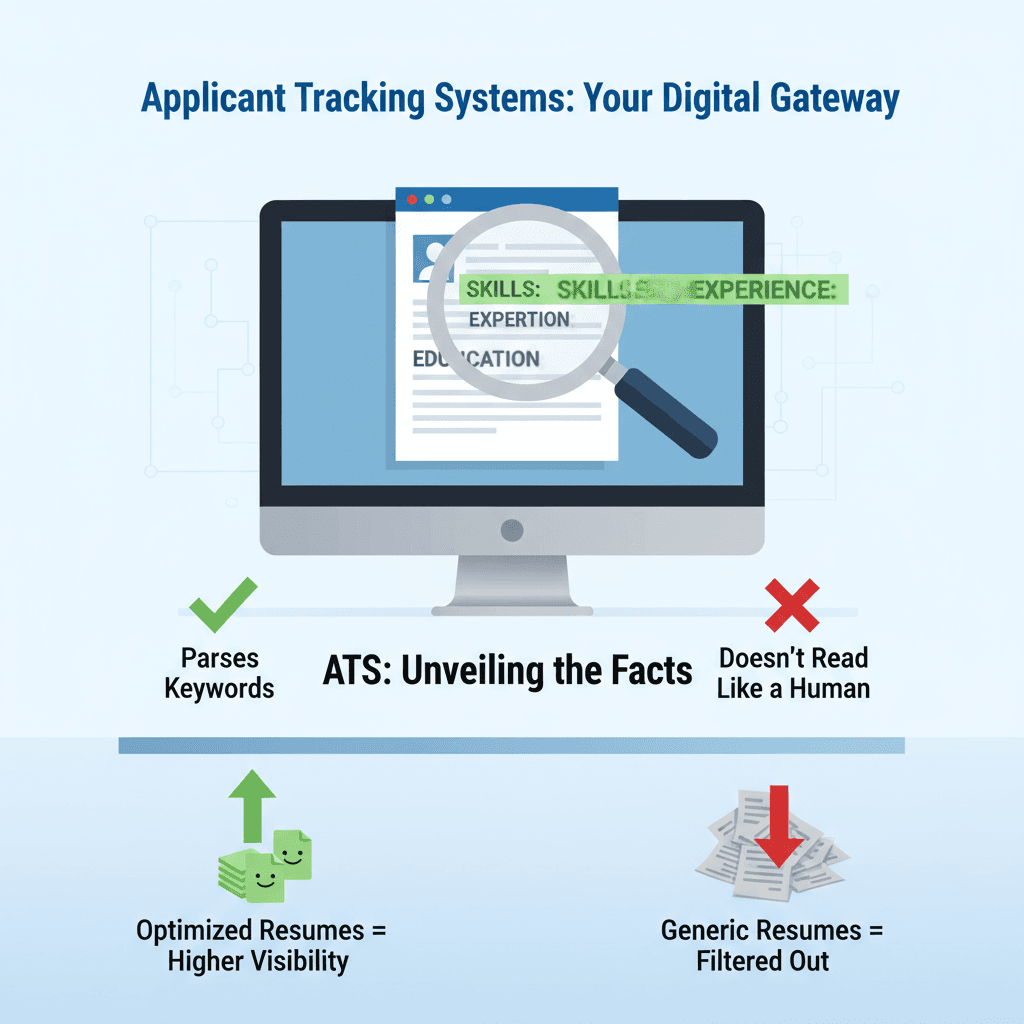
Applicant Tracking Systems (ATS) are software tools that companies use to manage the flood of applications they receive. While these systems help employers handle high volumes efficiently, they create a significant barrier for job seekers. Research shows that a staggering 75% of resumes never reach a human due to these automated filters. Your qualifications might be perfect for the role, but if your resume doesn't contain the right keywords or formatting, it gets filtered out automatically.
Think of ATS as a gatekeeper that scans your resume for specific criteria: relevant keywords, required qualifications, proper formatting, and job-specific terminology. If your application doesn't meet these algorithmic requirements, it vanishes into the digital void—never to be reviewed by a hiring manager.
The Human Cost of Automation
This automated screening process creates a disconnect between qualified candidates and employers. You might have years of relevant experience and the perfect skill set, but if you don't know how to navigate the ATS, your application simply won't make it through. The silence that follows isn't a reflection of your abilities—it's often just a technical barrier.
Many job seekers internalize this silence as personal rejection, questioning their worth and qualifications. Understanding that the issue is often systemic rather than personal can help shift your perspective and approach.
Breaking Through the Black Hole
The good news is that once you understand how the application black hole works, you can take strategic steps to avoid it. Tailoring your resume with relevant keywords, using clean formatting that ATS can read, and aligning your application materials with the specific job description all increase your chances of getting past the automated filters.
Some job seekers are also exploring tools designed to help bypass these barriers and improve application visibility. The key is recognizing that beating the system isn't about gaming it—it's about presenting your genuine qualifications in a format that both machines and humans can appreciate.
Sources
Common Job Search Frustrations

The modern job search can feel like navigating a maze with no exit. You submit application after application, only to be met with deafening silence. This experience is far more common than you might think, and it takes a real emotional toll on even the most resilient job seekers.
The Feedback Gap
One of the most frustrating aspects of the job search process is the lack of communication from employers. While 94% of candidates want feedback after interviews, only 41% actually receive it. This gap leaves job seekers in the dark, unable to improve or understand what went wrong. Without constructive feedback, it's nearly impossible to refine your approach or identify areas for growth.
The silence can feel deeply personal, even though it rarely is. When you don't hear back, your mind naturally fills in the blanks with worst-case scenarios about your qualifications or performance.
The Emotional Toll of Repeated Rejection
Experiencing no interview responses can lead to significant job search frustration. Each unanswered application chips away at your confidence, making you question your skills and worth in the marketplace. The psychological impact of repeated rejection shouldn't be underestimated—it can lead to anxiety, self-doubt, and even depression.
Many job seekers feel stuck in limbo as previous job search strategies become outdated and new rules are being established in real-time. What worked just a few years ago may no longer be effective in today's technology-driven hiring landscape. This constant shifting of goalposts adds another layer of frustration to an already challenging process.
The Waiting Game
Beyond the lack of feedback, there's the agonizing wait. Days turn into weeks, and weeks into months, with no clear timeline or expectations set by employers. You're left wondering whether to follow up, move on, or continue holding out hope. This uncertainty makes it difficult to plan your next steps or maintain momentum in your search.
The combination of silence, rejection, and uncertainty creates a perfect storm of job search frustration that can derail even the most motivated candidates.
Sources
How to Tailor Your Resume for ATS
Applicant Tracking Systems are the gatekeepers standing between you and human recruiters. Understanding how to optimize your resume for these systems can dramatically increase your chances of getting noticed. The good news is that tailoring your resume for ATS doesn't require technical expertise—just a strategic approach and attention to detail.
Match Your Resume to the Job Description
The most effective way to pass ATS filters is to align your resume with the specific job posting. Read the job description carefully and identify the key skills, qualifications, and requirements mentioned. Incorporate these exact phrases and keywords naturally throughout your resume, particularly in your skills section and work experience descriptions.
Applicants who receive offers typically meet the minimum requirements and often meet most, if not all, desired requirements. This means you should carefully assess whether you're a strong match before applying, and when you are, make that match crystal clear on your resume.
Highlight Relevant Certifications and Skills
In today's competitive market, showcasing certifications, specialized skills, and real-world use cases can significantly improve your application's visibility. If you have industry-specific certifications, list them prominently. If the role requires familiarity with particular tools or technologies, demonstrate your experience with concrete examples.
Consider creating a dedicated "Certifications" or "Technical Skills" section near the top of your resume. This makes it easy for both ATS and human reviewers to quickly identify your qualifications.
Use Standard Formatting and Section Headers
ATS systems can struggle with creative formatting, graphics, tables, and unusual fonts. Stick to a clean, simple layout with standard section headers like "Work Experience," "Education," and "Skills." Use common fonts like Arial, Calibri, or Times New Roman, and avoid headers, footers, or text boxes that might confuse the system.
Save your resume as a .docx or PDF file (check the job posting for preferred format). While PDFs preserve formatting, some older ATS platforms handle Word documents better, so follow the application instructions carefully.
Don't Skip Required Documents
Pay close attention to application requirements. If a job posting requests a cover letter, submit one—your application may not be considered without it. The same applies to any other requested materials like writing samples, portfolios, or references. Missing required documents is an easy way to get filtered out before anyone even sees your qualifications.
Test Your Resume with Keywords
Before submitting, do a quick keyword check. Copy key terms from the job description and search for them in your resume. If critical requirements are missing, find authentic ways to incorporate them based on your actual experience. Never lie or exaggerate, but do use the employer's language when describing your relevant skills and accomplishments.
Remember, the goal isn't to trick the system—it's to clearly communicate your qualifications in a way that both automated systems and human recruiters can easily understand.
Sources
Navigating the Job Search Process
Searching for a job can feel overwhelming, especially when you're facing silence after submitting applications. The key to success is approaching your search strategically rather than simply sending out as many applications as possible. A well-planned job search process increases your visibility, helps you connect with the right opportunities, and ultimately leads to more interview responses.
Diversify Your Job Search Platforms
Relying on a single job board limits your opportunities. Expand your reach by using multiple platforms, including general job sites, industry-specific boards, and company career pages. Each platform attracts different employers and opportunities, so casting a wider net increases your chances of finding positions that align with your skills and career goals.
Don't overlook niche platforms tailored to your field. Specialized job boards often feature openings that aren't posted on larger sites, giving you access to less competitive opportunities where your application is more likely to be noticed.
Leverage the Power of Networking
Networking remains one of the most effective ways to break through job application silence. Many positions are filled through referrals and personal connections before they're ever publicly advertised. Reach out to former colleagues, attend industry events, and engage with professional communities both online and offline.
Consider joining talent communities or professional groups related to your field. These communities keep you connected to opportunities and allow you to demonstrate your expertise through meaningful participation. When you're actively engaged in your professional community, opportunities often come to you rather than the other way around.
Research Companies Thoroughly
Before applying to any position, invest time in researching the company. Understanding their mission, culture, recent news, and challenges allows you to tailor your application materials more effectively. This research also helps you determine whether the organization is truly a good fit for your career aspirations.
Thorough company research demonstrates genuine interest and can help you stand out from other candidates. When you reference specific company initiatives or values in your cover letter, hiring managers notice. This attention to detail can be the difference between your application getting lost in the pile and receiving a callback.
Create a Systematic Application Tracking System
Managing multiple applications requires organization. Create a spreadsheet or use a job search app to track where you've applied, when you submitted each application, and any follow-up actions needed. Include columns for company names, position titles, application dates, contact information, and notes about each opportunity.
This system helps you follow up appropriately and prevents you from accidentally applying to the same position twice. It also provides valuable data about your job search patterns, helping you identify which strategies are working and which need adjustment.
Follow Up Strategically
While you shouldn't bombard hiring managers with daily emails, a well-timed follow-up can demonstrate your continued interest. Wait about one to two weeks after submitting your application, then send a brief, professional email reiterating your enthusiasm for the position and asking about the timeline for next steps.
Keep your follow-up concise and respectful of the hiring manager's time. A simple message acknowledging that you understand they're busy while expressing your continued interest can keep your name top of mind without being pushy.
Sources
Staying Positive While Job Searching

The job search can be emotionally draining, especially when you're facing silence after sending out application after application. It's natural to feel discouraged, but maintaining a positive mindset is crucial for your long-term success. Your mental well-being directly impacts how you present yourself in interviews and networking situations, so protecting it should be a priority.
Managing Job Search Frustration
Understanding that delays aren't always personal can help you maintain perspective. Sometimes recruiters are waiting on feedback from hiring managers who are slow to respond. It's not ideal, but it's a reality in many organizations. This doesn't reflect on your qualifications or worth as a candidate.
When setbacks occur, give yourself permission to feel frustrated for a moment, then redirect that energy into productive action. Take breaks when needed, celebrate small wins like getting a response or making a new connection, and remember that every application is practice that sharpens your skills.
Practical Strategies for Staying Motivated
Create a structured routine that includes job search activities but also time for self-care and activities you enjoy. This balance prevents burnout and keeps you energized for the long haul.
Consider these approaches:
- Set realistic daily goals — Apply to three quality positions rather than twenty rushed applications
- Track your progress — Keep a spreadsheet of applications, follow-ups, and responses to see patterns
- Build in accountability — Share your goals with a friend or join a job seeker support group
- Invest in skill development — Use downtime to take online courses or earn certifications
- Practice self-compassion — Treat yourself with the same kindness you'd offer a friend in your situation
The Power of Follow-Up
Proactive communication can break through silence and demonstrate your genuine interest. If you haven't heard back, it doesn't mean you should wait indefinitely. Send a polite follow-up email after five to seven business days.
Your follow-up should be brief, professional, and express continued interest in the role. This simple action shows initiative and keeps your name in front of decision-makers without being pushy.
Reframing Rejection and Silence
Every "no" or non-response brings you closer to the right "yes." Many successful professionals were rejected dozens of times before landing their ideal role. The key is viewing each experience as data that helps you refine your approach rather than as a judgment of your value.
Remember that timing, budget constraints, internal candidates, and countless other factors beyond your control influence hiring decisions. What matters is that you continue improving your materials, expanding your network, and showing up consistently.
Sources
Conclusion
Experiencing job application silence can feel isolating and frustrating, but understanding why it happens is the first step toward overcoming it. Throughout this guide, we've explored the hidden mechanics of the job search process—from Applicant Tracking Systems that filter applications before human eyes ever see them, to the common frustrations that affect even the most qualified candidates. The key takeaway is that silence doesn't reflect your worth or capabilities; it's often a systemic issue that can be addressed with the right strategies.
By tailoring your resume for ATS, strategically navigating the job search process, and maintaining a positive mindset during setbacks, you're equipping yourself with tools that genuinely make a difference. Remember to leverage keywords naturally, customize each application, and build connections that go beyond online portals. These aren't just tips—they're proven approaches that can transform your job search experience.
I've been where you are. Earlier in my career, I faced the same deafening silence after submitting countless applications. It wasn't until I understood how ATS systems work that everything changed. My inbox went from a ghost town to a place of opportunity, and I finally felt seen. If you're in that frustrating place right now, know that it's not a reflection of your abilities—it's about learning to navigate the system strategically.
As you move forward, stay persistent and patient with yourself. Job searching is rarely a linear journey, but with these insights and strategies, you're better positioned to break through the silence. Keep refining your approach, stay connected with your professional network, and trust that the right opportunity will recognize your value. Your next career chapter is waiting—go after it with renewed confidence and clarity.

Written by
Emily Johnson
Published May 5, 2026 · 18 min read
Emily Johnson is a seasoned career strategist with over a decade of experience in recruitment and talent acquisition. With a background in human resources, she excels at helping professionals refine their job search strategies, from crafting compelling resumes to mastering interview techniques. As an expert in Applicant Tracking Systems (ATS), Emily is dedicated to guiding individuals toward their dream careers.
Want this kind of read on your résumé?
We'll tell you what's actually working, what's holding you back, and what to fix — in plain English.
Get My Job Match ScoreYou Might Also Like
More articles to help you advance your career
ATS Myths: Surprising Practical Misconceptions Debunked
Discover the truth about ATS myths and learn how applicant tracking systems really work with our practical guide to common misconceptions and realities.
ATS Score Meaning: The Surprising Expert Truth About Accuracy
Discover ATS score meaning and the surprising truth about match score accuracy. Learn what these scores really reveal about your resume evaluation.