
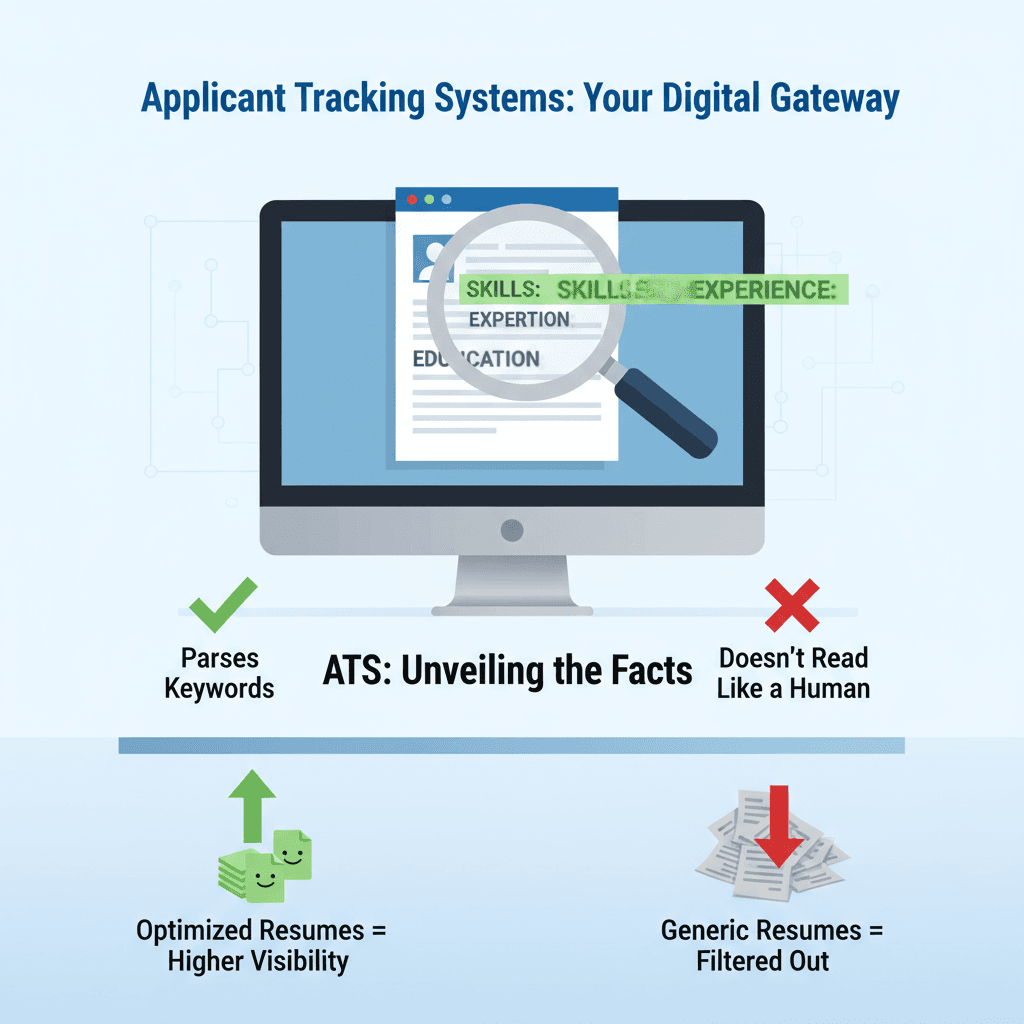
ATS Myths: Surprising Practical Misconceptions Debunked
Discover the truth about ATS myths and learn how applicant tracking systems really work with our practical guide to common misconceptions and realities.
 Mara Quinn
Introduction
Key Takeaways
- Misinformation about applicant tracking systems creates more barriers than the technology itself
- Many widely-believed assumptions about how ATS function are based on misconceptions rather than facts
- Understanding the reality of ATS can help job seekers and employers make better decisions in the hiring process
- Common myths often lead to unnecessary anxiety and misguided resume optimization strategies
- Debunking these misconceptions reveals that ATS are more straightforward tools than many people assume
Applicant tracking systems have become a central part of modern recruitment, yet they remain widely misunderstood. The spread of misinformation has created a landscape where job seekers often make decisions based on myths rather than facts. The biggest danger of ATS resume myths isn't technology—it's misinformation.
Many misconceptions exist about how applicant tracking systems function, often leading to misunderstandings about their effectiveness in the hiring process. These false beliefs can cause candidates to waste time on ineffective strategies or avoid opportunities altogether. From assumptions about keyword stuffing to fears about formatting, the gap between perception and reality is significant.
This guide examines the most common ATS myths and replaces them with accurate, practical information. By understanding how these systems actually work, both job seekers and hiring professionals can navigate the application process with greater confidence and success.
Sources
What is an ATS?
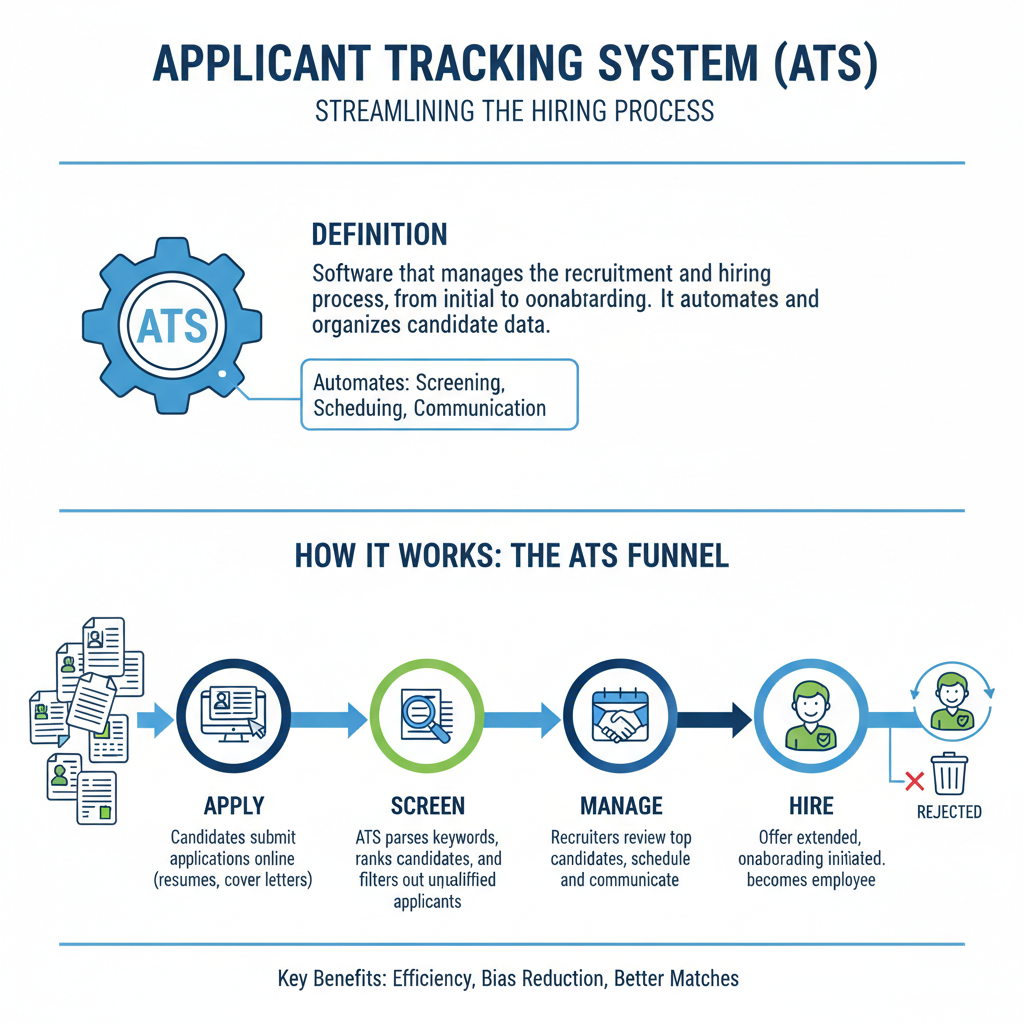
An Applicant Tracking System (ATS) is software designed to streamline and automate the recruitment process for employers. These systems help hiring teams manage large volumes of applications by organizing candidate information, tracking applicants through various hiring stages, and facilitating communication between recruiters and candidates.
Core Functions of ATS Software
ATS platforms serve multiple purposes throughout the hiring lifecycle. They collect and store resume data, parse candidate information into searchable databases, and enable recruiters to filter applications based on specific criteria. The software also automates routine tasks like sending acknowledgment emails, scheduling interviews, and maintaining compliance records.
While ATS technology has become increasingly sophisticated, it's important to understand its intended role. ATS automates tasks like resume screening and candidate tracking, but it's not meant to replace human recruiters. The system acts as a tool to help hiring professionals work more efficiently, not as a decision-making authority.
The Human Element in ATS Workflows
Despite automation capabilities, human judgment remains central to the hiring process. Recruiters review ATS-filtered candidates, make final decisions about interviews, and evaluate qualifications that software cannot measure. The technology handles administrative burden, allowing hiring teams to focus on meaningful candidate interactions and strategic talent decisions.
Understanding what an ATS actually does—and what it doesn't do—is the first step in addressing common misconceptions about these systems. The reality is far less mysterious than many job seekers believe.
Sources
Common ATS Myths
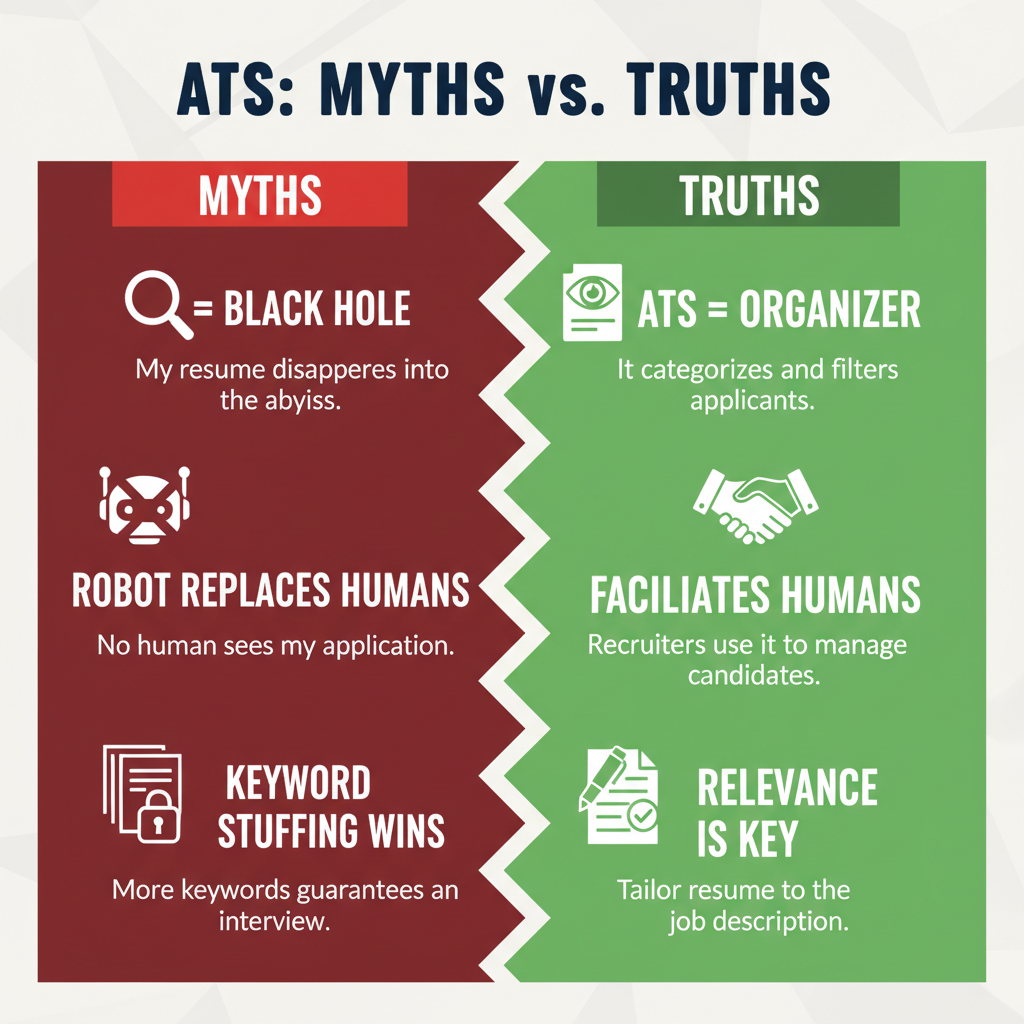
Applicant tracking systems have become a standard part of modern hiring, yet numerous misconceptions continue to shape how job seekers approach their applications. Understanding these myths is essential for crafting effective resumes and navigating the application process with confidence.
Many job seekers operate under false assumptions that can undermine their efforts and lead to unnecessary anxiety about the hiring process.
Myth: ATS Automatically Rejects Most Resumes
One of the most persistent misconceptions is that applicant tracking systems automatically reject the majority of resumes without human review. In reality, a human recruiter makes the final decision about which candidates move forward based on how well their skills align with the job requirements.
The system serves as an organizational tool rather than an automated gatekeeper. While it helps recruiters manage large volumes of applications, the technology doesn't independently eliminate candidates from consideration.
Myth: "ATS-Friendly" Templates Guarantee Success
The marketplace is filled with resume templates marketed as "ATS-friendly," but this label doesn't guarantee your resume will parse correctly. Just because a resume platform labels its templates as compatible doesn't mean your resume will actually survive the parsing process.
The effectiveness of any template depends on multiple factors, including the specific system being used and how you populate the template with your information. Simple formatting and clear section headers remain more reliable than any marketed template.
Myth: ATS Systems Are All Identical
Job seekers often assume all applicant tracking systems function the same way, but different platforms have varying capabilities and parsing methods. What works well in one system may not translate perfectly to another.
This variation means that optimizing for a single approach may not serve you across all applications. Focus on fundamental best practices rather than trying to game a specific system.
Sources
How ATS Really Works
Applicant tracking systems function as organizational tools that help employers manage the hiring process efficiently. Rather than serving as automated gatekeepers that reject candidates, these systems primarily streamline application workflows by parsing resume data, storing candidate information, and enabling recruiters to search and filter applications based on specific criteria.
The Application Processing Flow
When you submit your resume through an ATS, the system extracts information such as contact details, work experience, education, and skills. This parsed data is then stored in a structured database format that allows recruiters to quickly search and compare candidates. The technology focuses on organization and accessibility rather than automatic elimination.
Contrary to popular belief, ATS systems are designed to organize applications efficiently, not to automatically reject resumes. Rejection typically occurs due to misalignment between skills and job requirements, not because the system itself makes autonomous decisions to discard applications.
The Role of Human Judgment
While modern applicant tracking systems incorporate advanced features, human recruiters remain central to the hiring decision process. Research shows that AI is enhancing the recruiting process by making it more effective, but human judgment remains essential in evaluating candidates and making final hiring decisions.
Recruiters use ATS platforms to filter candidates based on qualifications they've predetermined as necessary for the role. The system surfaces relevant applications, but hiring managers review these candidates personally before making any decisions about who moves forward in the process.
Keyword Matching and Ranking
ATS platforms often include keyword search functionality that helps recruiters identify candidates whose experience aligns with job requirements. When a resume contains relevant terms from the job description, it becomes easier for recruiters to find during their search process.
However, this doesn't mean resumes without exact keyword matches are automatically discarded. Recruiters typically review multiple candidates and consider overall qualifications, experience patterns, and potential fit beyond simple keyword presence.
Sources
Debunking ATS Myths
Applicant tracking systems have become a standard part of modern hiring, yet misconceptions about how they function continue to spread. Understanding the reality behind these myths helps both job seekers and employers make better decisions about their recruitment strategies.
ATS Myths: The Automatic Rejection Fallacy
One of the most persistent beliefs is that applicant tracking systems automatically reject the majority of resumes without human review. In reality, a human recruiter decides who moves forward based on the alignment of skills and qualifications. The ATS serves as a filtering tool that organizes and ranks candidates, but the final decision always rests with hiring professionals.
While the system does screen applications based on specific criteria, it doesn't make autonomous rejection decisions. Instead, it presents recruiters with a manageable pool of candidates who meet the basic requirements, allowing them to focus their time on qualified applicants.
The Human Element Remains Central
Another common misconception suggests that ATS technology replaces human recruiters entirely. The system automates tasks like resume screening and candidate tracking, but it's not meant to replace human recruiters. These platforms handle administrative work and initial sorting, freeing recruiters to focus on relationship-building, interviewing, and making nuanced hiring decisions.
Consider how organizations with high application volumes operate. A large tech company uses ATS to filter through hundreds of resumes, narrowing the pool to the top candidates for human recruiters to review. This collaboration between technology and human judgment creates a more efficient process without eliminating the personal touch that quality hiring requires.
Format and Keyword Misconceptions
Many job seekers believe they must use only plain text resumes or stuff their applications with exact keyword matches to pass ATS screening. Modern systems have evolved significantly and can parse various file formats and recognize synonyms and related terms. While using relevant keywords from the job description remains important, the focus should be on clearly presenting your qualifications rather than gaming the system.
The key is creating a well-structured resume that both technology and humans can easily read. Use standard section headings, clear formatting, and industry-appropriate terminology that naturally aligns with the position you're seeking.
Sources
Benefits of Using an ATS

Applicant tracking systems deliver meaningful advantages to both employers and job seekers, despite common misconceptions suggesting otherwise. Understanding these benefits helps clarify why organizations of all sizes have adopted this technology as a standard recruitment tool.
Efficiency Gains for Employers
Recruiters save significant time by automating repetitive administrative tasks. Posting job openings across multiple platforms, screening initial applications, and organizing candidate information become streamlined processes rather than manual efforts. This efficiency allows hiring teams to focus on evaluating qualified candidates and conducting meaningful interviews.
Modern platforms are scalable, affordable, and designed to make recruitment more efficient, even for companies with limited hiring needs. Small businesses and startups benefit from the same organizational capabilities that larger enterprises enjoy, without requiring dedicated HR departments.
Improved Candidate Experience
Job seekers benefit from faster application processes and clearer communication. Automated acknowledgment emails confirm receipt of applications, while status updates keep candidates informed throughout the hiring timeline. This transparency reduces uncertainty and demonstrates professional consideration from potential employers.
Standardized evaluation criteria also promote fairness. When all applications pass through consistent screening parameters, candidates compete on merit rather than arbitrary factors or reviewer bias.
Better Quality of Hire
Organizations using these systems report improvements in matching candidates to role requirements. Structured data collection ensures that essential qualifications receive appropriate attention during initial screening. Hiring managers can quickly identify applicants who meet core criteria, leading to more productive interview schedules.
Real-world implementations demonstrate these advantages across industries. A local healthcare clinic implemented an ATS to manage recruitment for part-time and full-time positions, improving the quality of hires and efficiency. The system helped the clinic maintain consistent standards while accommodating varying staffing needs.
Long-Term Organizational Benefits
Beyond individual hiring cycles, these platforms build valuable candidate databases. Qualified applicants who weren't selected for one position may perfectly fit future openings. This talent pool reduces time-to-hire for subsequent roles and strengthens organizational planning.
Compliance documentation also becomes more manageable. Systems automatically maintain records of hiring decisions, supporting equal opportunity requirements and providing audit trails when needed.
Sources
Preparing Your Application for ATS
Optimizing your resume for applicant tracking systems doesn't require gaming the system—it simply means following best practices that make your qualifications clear and accessible. By understanding how these systems process information, you can ensure your application reaches human reviewers.
The foundation of an ATS-friendly resume is clarity and structure. Use standard section headings like "Work Experience," "Education," and "Skills" rather than creative alternatives. Choose readable fonts and avoid excessive graphics that may not parse correctly. These simple formatting choices ensure the system can accurately extract your information.
Template Selection and Formatting
When choosing a resume template, prioritize functionality over visual flair. The safest option is to use a clean, minimal template that's been tested to parse correctly—not just one that looks good in your browser. Simple, single-column layouts with clear hierarchies work best.
Avoid using tables, text boxes, headers, and footers for critical information. While these elements may create an attractive layout, they can confuse parsing algorithms and cause your data to be misread or overlooked entirely.
Content Optimization Strategies
Tailor your resume to each position by incorporating relevant keywords from the job description naturally throughout your experience and skills sections. Focus on including actual qualifications and achievements rather than keyword stuffing, which provides no value to human reviewers.
Use standard job titles and industry-recognized terminology. If your actual title was unconventional, consider adding a parenthetical clarification that aligns with common industry standards while remaining truthful.
File Format and Submission
Submit your resume in the format requested by the employer—typically PDF or Word document. When no preference is stated, Word documents often parse more reliably across different systems, though modern ATS platforms handle both formats well.
Before submitting, review your resume for consistency in formatting, ensure all dates are complete, and verify that contact information is clearly visible at the top of the document. These final checks prevent common parsing errors that could cause your application to be incomplete.
Sources
Conclusion
Navigating the modern job market requires separating fact from fiction when it comes to applicant tracking systems. Throughout this guide, we've explored the reality behind common misconceptions—from the myth that ATS systems automatically reject resumes based on rigid formatting requirements, to the false belief that keyword stuffing guarantees success. Understanding how these systems actually work empowers you to craft applications that reach human reviewers while maintaining authenticity and professionalism.
The truth is that ATS technology serves as a collaborative tool in the hiring process, not an impenetrable barrier. These systems help recruiters manage high application volumes efficiently while ensuring qualified candidates receive fair consideration. By focusing on clear formatting, relevant keywords used naturally, and tailored content that matches job requirements, you position yourself for success without resorting to gaming the system.
Moving Forward with Confidence
As you prepare your next application, remember that the biggest danger isn't the technology itself—it's the misinformation that leads job seekers to make counterproductive choices. ATS systems continue to evolve, incorporating AI enhancements that make recruiting more effective while keeping human judgment at the center of hiring decisions. Your goal should be creating a resume that serves both the initial screening process and the recruiter who ultimately reviews it.
Armed with accurate knowledge about how applicant tracking systems function, you can approach your job search with greater confidence and strategic clarity. Focus on showcasing your genuine qualifications, use industry-standard formatting, and tailor each application thoughtfully. The path through an ATS isn't about tricks or workarounds—it's about presenting your professional story in a way that both technology and people can clearly understand and appreciate.
Sources

Written by
Mara Quinn
Published May 5, 2026 · 13 min read
Mara Quinn is the lead career-coaching presenter at ResumeCoach. She is an AI-presented digital character. Every article and video Mara presents is researched and produced by the ResumeCoach editorial team using SPOR analysis grounded in U.S. Department of Labor O*NET data. Mara teaches the methods our analysis identifies — she does not offer personalized career advice for individual situations.
Want this kind of read on your résumé?
We'll tell you what's actually working, what's holding you back, and what to fix — in plain English.
Get My Job Match ScoreYou Might Also Like
More articles to help you advance your career

Job Application Silence: Surprising Expert Insights and Solutions
Experiencing job application silence after applying? Discover surprising expert insights on why it happens and practical solutions to overcome it.
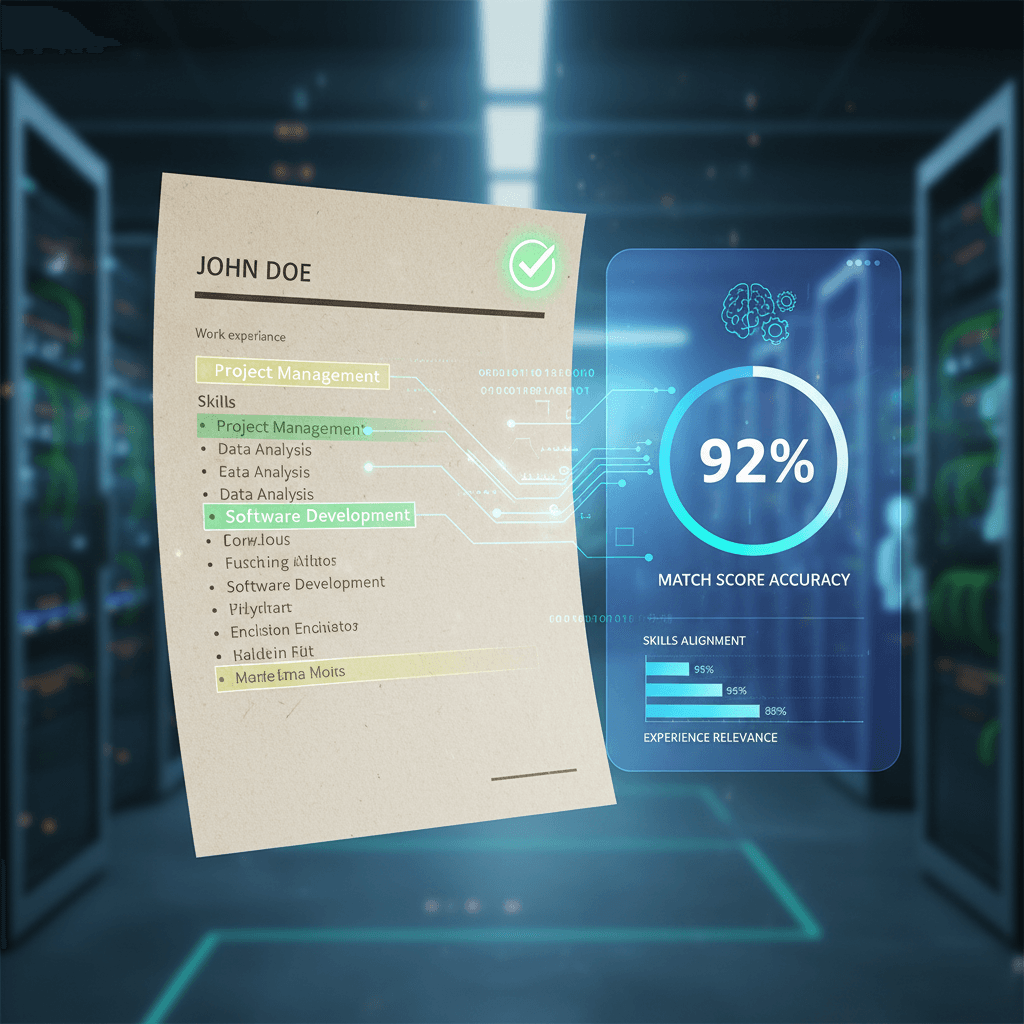
ATS Score Meaning: The Surprising Expert Truth About Accuracy
Discover ATS score meaning and the surprising truth about match score accuracy. Learn what these scores really reveal about your resume evaluation.