

Data Analyst Resume Template: 12 Surprising Practical Tips
Discover why a generic data analyst resume template won't work and learn 12 surprising, practical tips to tailor your resume for career success.
 Emily Johnson
Introduction
Key Takeaways
- A generic data analyst resume template rarely passes ATS filters or captures hiring managers' attention
- Tailoring your resume with role-specific skills and achievements is essential for standing out in competitive data analyst positions
- Understanding how ATS systems screen resumes can dramatically improve your chances of landing interviews
- Balancing technical expertise with soft skills demonstrates your ability to transform data into actionable business insights
- Real-world examples and quantifiable achievements make your resume more compelling than template boilerplate
If you've ever downloaded a data analyst resume template online and wondered why you're not getting callbacks, you're not alone. The truth is that a one-size-fits-all approach simply doesn't work in today's competitive job market.
As someone who's spent years in recruitment and talent acquisition, I learned this lesson the hard way when helping a friend apply for a data analyst position. His generic template resume never made it past the initial screening, and we discovered it was being filtered out by ATS systems before any human ever saw it. That experience taught me that customization isn't optional—it's essential.
The stakes are higher than you might think. With most Fortune 500 companies using automated systems to screen applications, your resume needs to speak the language of both machines and hiring managers. This means strategically highlighting your proficiency in data visualization tools, statistical software, and specific achievements that demonstrate your problem-solving abilities.
In this guide, you'll discover why generic templates fail and learn practical, actionable tips to craft a data analyst resume that gets results. We'll explore how to structure your resume for maximum impact, which skills to emphasize, and how to showcase your experience in ways that resonate with recruiters who understand what data analyst roles truly require.
Sources
The Importance of Tailoring Data Analyst Resumes
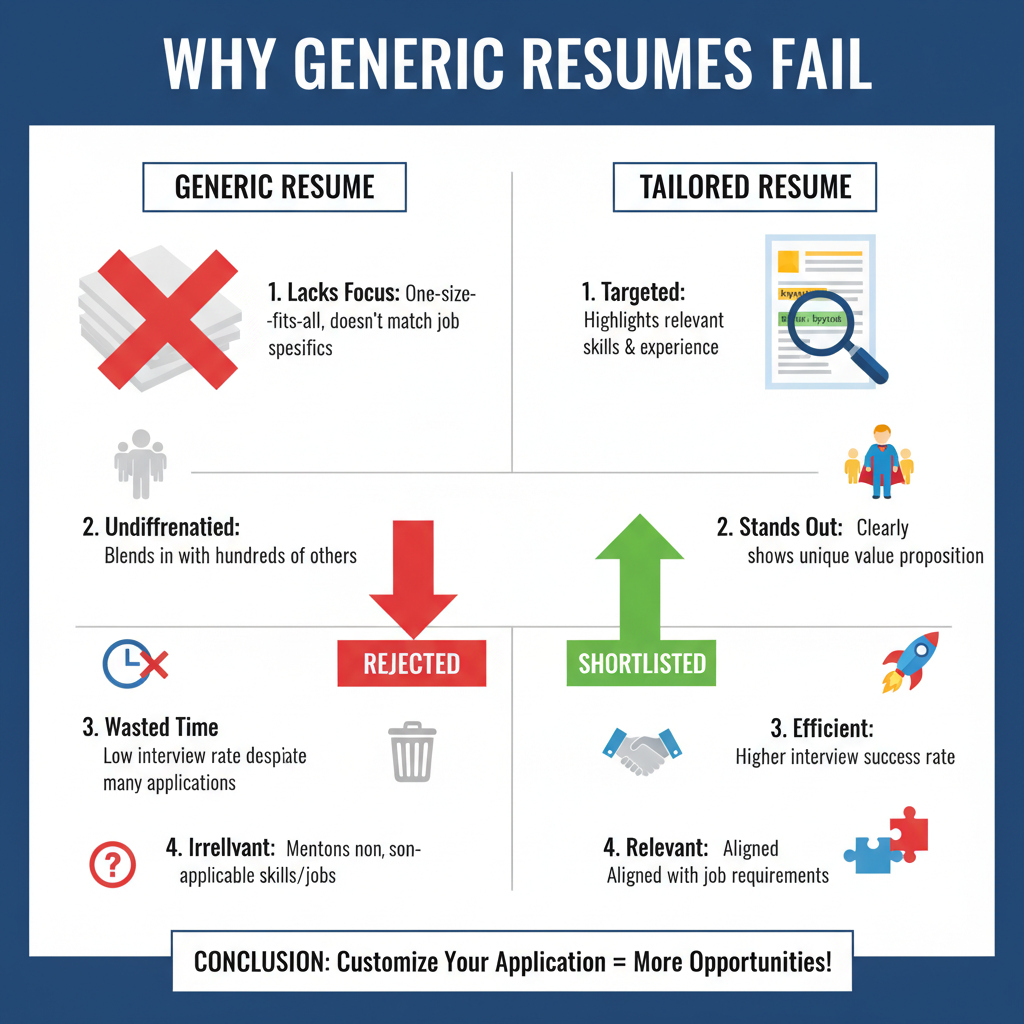
A generic data analyst resume template might seem like a time-saver, but it's often a career roadblock. The reality is that most companies—especially larger organizations—rely on Applicant Tracking Systems (ATS) to filter resumes before they ever reach a human recruiter. These systems scan for specific keywords, skills, and formatting that align with the job description. When you use a one-size-fits-all template, you're essentially gambling that it happens to match what the ATS is programmed to find.
The stakes are higher than you might think. Research shows that 98% of Fortune 500 companies use ATS systems to screen data analyst resumes, making keyword optimization essential for getting past initial screening. If your resume doesn't include the right terms—like "data visualization," "SQL," or "machine learning (ML)"—it may never make it to the hiring manager's desk, regardless of how qualified you are.
Why Generic Templates Fall Short for Data Analyst Roles
Generic templates fail because they lack the specificity that data analyst positions demand. A template designed for broad appeal won't highlight the technical proficiencies, analytical methodologies, or industry-specific tools that recruiters are actively searching for. For instance, one job posting might prioritize Python and Tableau experience, while another emphasizes R and Power BI. A generic resume can't adapt to these nuances.
Additionally, ATS systems are designed to parse structured information. If your template uses unusual formatting, graphics, or non-standard section headers, the system may misread or skip critical details. This means your carefully crafted experience could be rendered invisible simply because the format didn't play well with the software.
The Power of Customization
Tailoring your resume means more than swapping out a few keywords. It requires a strategic alignment between your skills and the specific requirements of each role. Start by carefully reading the job posting and identifying the must-have qualifications. Then, mirror that language in your resume where it's truthful and relevant. Include keywords from the job posting, such as "data visualization" and "machine learning (ML)", to get your resume through the ATS.
Customization also allows you to emphasize the accomplishments that matter most for a particular position. If a role focuses on predictive modeling, lead with projects where you built forecasting models. If it's heavy on reporting and dashboards, showcase your visualization work. This targeted approach demonstrates that you understand the role and have the exact capabilities the employer needs.
By investing time in tailoring your resume for each application, you significantly increase your chances of passing ATS filters and capturing the attention of hiring managers who are looking for candidates with precise, relevant expertise.
Sources
Common Failures of Generic Resumes
Generic resume templates may seem like a convenient shortcut, but they often lead to missed opportunities—especially for data analyst positions. These one-size-fits-all documents fail to capture the specific technical expertise and analytical capabilities that hiring managers are actively seeking.
Lack of Role-Specific Technical Skills
One of the biggest pitfalls of generic templates is their inability to showcase the specialized technical skills required for data analyst roles. A standard template might list "proficient in Microsoft Office," but it won't highlight your expertise in statistical software, data visualization tools, or programming languages that are essential for the position. Without these role-specific technical competencies clearly displayed, your resume may not resonate with recruiters who are scanning for specific qualifications.
Generic resumes also tend to use vague language that doesn't demonstrate your actual capabilities. Phrases like "responsible for data analysis" tell hiring managers very little about what you actually accomplished or the complexity of the work you handled.
Missing Quantifiable Achievements
Another critical failure of generic templates is the absence of measurable results. Research shows that quantified achievements increase interview rates by up to 40% compared to resumes that only list job duties without measurable results. A generic template might say "analyzed data to support business decisions," but a tailored resume would specify "analyzed customer behavior data from 50,000+ transactions, identifying trends that increased retention by 18%."
Without concrete numbers, percentages, or specific outcomes, your resume becomes just another document in a stack of similar applications. Hiring managers want to see the tangible impact you've made in previous roles.
Failure to Pass ATS Filters
Many generic templates aren't optimized for Applicant Tracking Systems, which means they may never reach human eyes. These systems scan for specific keywords, skills, and formatting that align with the job description. A template designed for general use won't include the industry-specific terminology or skill sets that ATS filters are programmed to detect for data analyst positions.
Additionally, some templates use graphics, tables, or unusual formatting that ATS software can't properly parse, causing your information to be misread or discarded entirely.
Imbalanced Skill Presentation
Generic resumes often focus heavily on either technical skills or soft skills, but rarely strike the right balance. Data analyst resumes need both technical and soft skills to demonstrate your ability to transform complex data into actionable business insights. A template might emphasize your communication abilities while downplaying your proficiency in analytical methods, or vice versa.
This imbalance can make you appear one-dimensional to hiring managers who are looking for well-rounded candidates capable of both rigorous analysis and effective stakeholder communication.
Sources
Key Skills for Data Analysts
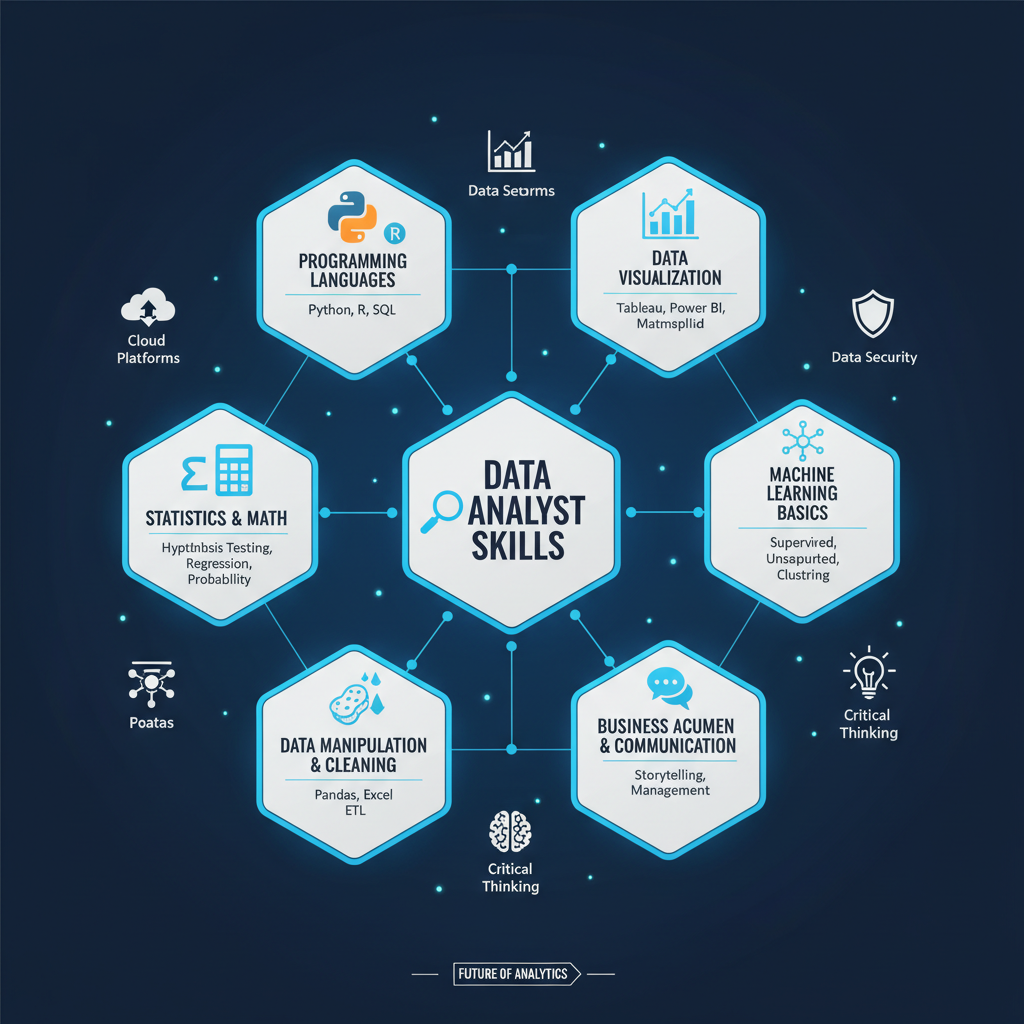
When crafting your resume, understanding which skills to highlight can make the difference between landing an interview and being overlooked. Data analyst roles demand a specific blend of technical proficiencies and analytical capabilities that hiring managers actively search for.
Technical Skills That Matter
Your resume should prominently feature the tools and programming languages that demonstrate your analytical abilities. SQL remains fundamental for database querying and data manipulation. Python has become increasingly essential for data analysis, automation, and statistical modeling. Visualization tools help you communicate insights effectively to stakeholders.
Ensure your resume includes relevant tools and programming languages, such as SQL, Python, Tableau, and Excel, to demonstrate your analytical abilities. These technical proficiencies signal to recruiters that you can handle the day-to-day responsibilities of the role.
Balancing Hard and Soft Skills
While technical expertise is critical, successful data analysts need both technical and soft skills to demonstrate your ability to transform complex data into actionable business insights. Communication skills allow you to present findings to non-technical audiences. Problem-solving abilities help you tackle ambiguous business questions. Attention to detail ensures accuracy in your analysis.
Consider organizing your skills section to showcase this balance. List your technical proficiencies first, followed by analytical capabilities and soft skills that complement your technical foundation.
Quantifiable Impact Metrics
Beyond listing skills, your resume should include evidence of how you've applied them. Reference specific analytical projects where you used these skills to drive results. Mention the scale of datasets you've worked with or the business impact of your recommendations. These details help hiring managers understand not just what you can do, but what you've accomplished.
ATS Compatibility Considerations
Data analyst resumes should include technical skills like SQL, Python, and visualization tools, quantified impact metrics, analytical projects, ATS compatibility, and domain knowledge. When listing skills, use industry-standard terminology that matches job descriptions. This ensures your resume passes automated screening systems while remaining authentic to your experience.
Sources
How to Structure Your Data Analyst Resume
A well-structured resume is your first opportunity to demonstrate the analytical thinking that makes you valuable as a data analyst. The way you organize information on the page signals to hiring managers whether you understand how to present complex data clearly and logically.
Start with a Strong Foundation
Your resume should follow a clear hierarchy that guides the reader's eye naturally from top to bottom. Begin with your contact information and professional summary at the top, followed by your core skills section. This front-loads the most important information and ensures that even a quick scan captures your key qualifications.
The professional summary acts as your elevator pitch—a brief, compelling snapshot of who you are as a data professional. Immediately following this, your core skills section should highlight technical proficiencies that match the job description, making it easy for both ATS systems and human reviewers to identify your capabilities.
Essential Sections in Order
After your summary and skills, structure the remainder of your resume in this sequence:
- Professional Experience: List your work history in reverse chronological order, with your most recent position first. For each role, include quantified achievements that demonstrate your impact.
- Education: Include your degree(s), institution names, and graduation dates. Relevant coursework can be added if you're early in your career.
- Technical Skills: While you'll have a core skills section near the top, a more detailed technical skills section can list specific tools, programming languages, and methodologies.
- Projects or Certifications: If you have relevant analytical projects or professional certifications, dedicate a section to showcase these credentials.
Optimize for Data Analyst Resume Template Success
While templates can provide a starting point, the structure you choose should reflect the specific requirements of each position. Review the job posting carefully and adjust your section emphasis accordingly. If a role heavily emphasizes visualization skills, ensure your experience section prominently features projects involving those tools.
Keep formatting clean and consistent. Use the same font throughout, maintain uniform spacing, and ensure bullet points align properly. Remember that your resume itself is a data presentation exercise—clarity and readability matter as much as content.
Tailor Section Emphasis
Not every section deserves equal weight. If you're transitioning from academia, your education and projects sections might be more robust than your professional experience. Conversely, experienced analysts should dedicate more space to quantified achievements in previous roles and less to educational background.
The key is strategic emphasis. Identify what makes you most competitive for the specific role and structure your resume to highlight those strengths within the first half of the page, where attention is highest.
Sources
Creating a Strong Profile Summary
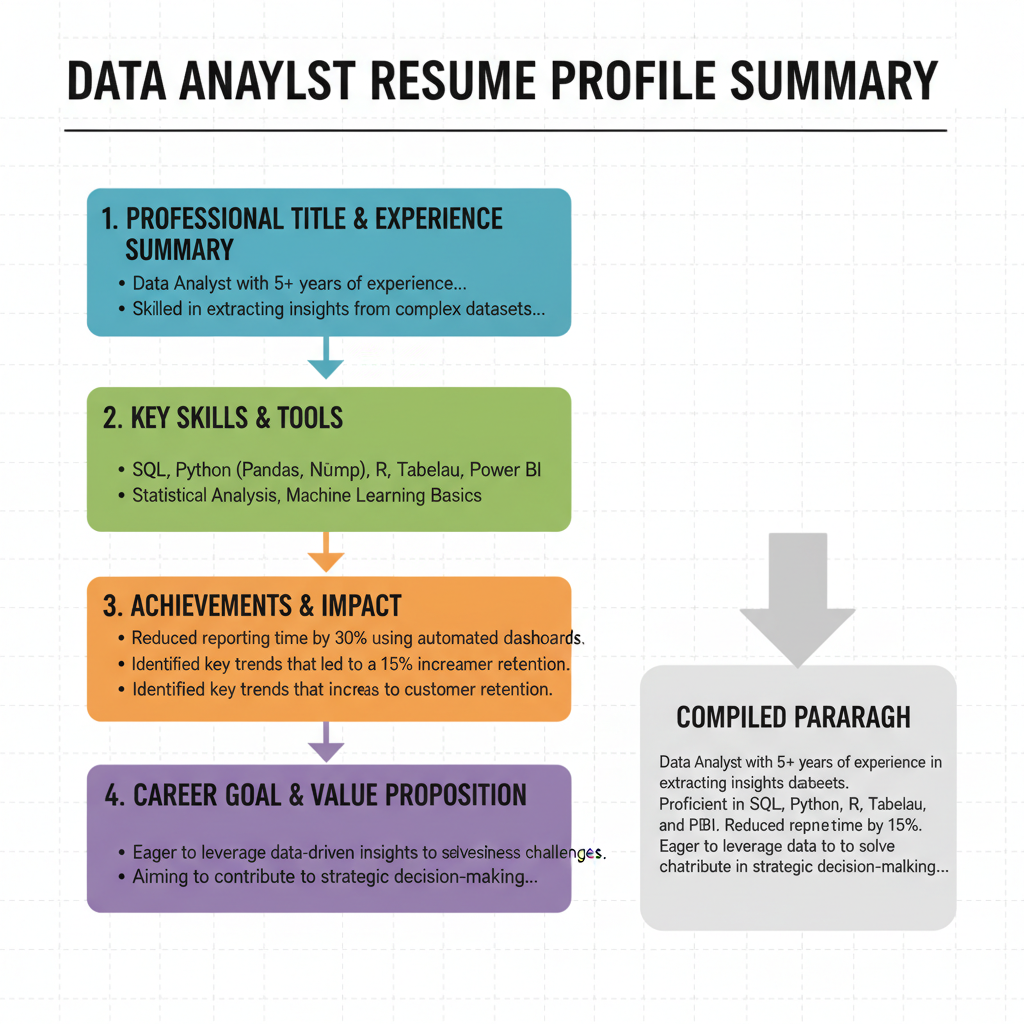
Your profile summary is the first thing recruiters read, and it's your chance to make an immediate impression. This brief section—typically 2-4 sentences—sits at the top of your resume and serves as your professional elevator pitch. For data analysts, a compelling summary can be the difference between getting your resume read thoroughly or having it passed over.
Why Your Profile Summary Matters for Data Analyst Roles
Recruiting managers spend an average of 6-7 seconds on an initial resume scan. Your profile summary needs to capture their attention immediately by demonstrating that you understand the role and have the relevant experience. A generic statement like "Hard-working professional seeking opportunities" tells them nothing about your data analysis capabilities.
Instead, your summary should highlight your years of experience, key technical skills, and the value you bring. It should answer the question: "Why should we interview this candidate for our data analyst position?"
Crafting an Effective Profile Summary
An effective professional summary for a data analyst should include several key elements. Start with your job title and years of experience, then immediately follow with your core competencies and the tools you use. Finally, mention a measurable achievement or the type of impact you deliver.
For example: "Data Analyst with 4+ years turning complex data into actionable insights using SQL, Python, and Tableau." This concise statement immediately tells the recruiter who you are, what you do, and which tools you're proficient in.
Quantify Your Impact
Whenever possible, include numbers in your profile summary. Instead of saying you're "proficient in Python," demonstrate what you've accomplished with it. For instance: "Built predictive models using Python that improved customer retention forecasting by 32%."
This approach transforms your summary from a list of skills into a preview of the results you can deliver. It shows you don't just know the tools—you know how to use them to solve real business problems.
Tailor to the Job Description
Your profile summary shouldn't be static. Review the job posting carefully and identify the top 3-4 requirements. If the role emphasizes data visualization, make sure that's prominently featured in your summary. If they're looking for someone with experience in a specific industry like healthcare or finance, mention your relevant background.
This customization signals to recruiters that you've taken the time to understand their needs and that you're a targeted candidate rather than someone mass-applying with a generic resume.
Sources
Real-World Example of a Tailored Resume
Seeing theory in action makes all the difference. Let's break down what a tailored data analyst resume actually looks like by examining specific components that transform a generic template into a compelling application.
The Professional Summary: Setting the Tone
A strong professional summary immediately signals your value proposition. Rather than a vague statement like "Experienced data professional seeking opportunities," consider this approach: "Data Analyst with 4+ years turning complex data into actionable insights using SQL, Python, and Tableau." This version specifies tenure, core competency, and the exact tools you've mastered—all within a single sentence.
The difference is clarity. Hiring managers can instantly assess whether your background aligns with their needs. Your summary should answer three questions: Who are you? What do you do? What tools do you use?
Transforming Generic Statements into Impact
The most common resume mistake is listing skills without context. Compare these two approaches:
Generic: "Proficient in Python"
Tailored: "Built predictive models using Python that improved customer retention forecasting by 32%."
The second version demonstrates not just proficiency, but application and measurable impact. You've shown what you built, the tool you used, and the business outcome you delivered. This is the level of specificity that separates strong candidates from the rest.
Structure and Flow
A well-tailored resume follows a logical progression. Start with your professional summary, then move to technical skills organized by category (programming languages, visualization tools, statistical software). Your experience section should lead with achievements rather than responsibilities, using action verbs and quantifiable results.
Each bullet point should tell a micro-story: the challenge you faced, the approach you took, and the result you achieved. This structure keeps your resume scannable while providing the depth recruiters need to evaluate your capabilities.
The Power of Specificity
Notice how effective resumes avoid generalities. Instead of "analyzed data to support business decisions," you might write "analyzed customer behavior data across 50,000+ transactions to identify three high-impact retention strategies, reducing churn by 18%." The numbers, scope, and outcome create a vivid picture of your contribution.
This level of detail doesn't just impress human readers—it helps your resume pass ATS filters by including relevant keywords in meaningful context. The system recognizes both the technical terms and the professional scenarios where you applied them.
Sources
Conclusion
Crafting a standout data analyst resume isn't about finding the perfect template and filling in the blanks. It's about understanding what hiring managers and ATS systems are looking for, then tailoring every section to demonstrate your unique value. Throughout this guide, we've explored why generic resumes fail, how to highlight the right technical and soft skills, and the importance of structuring your resume for maximum impact.
Remember that quantified achievements can significantly boost your chances—resumes with measurable results see interview rates increase by up to 40% compared to those that simply list job duties. Balance your technical expertise in tools like SQL, Python, and Tableau with soft skills like communication and problem-solving. Your resume should tell a compelling story of how you transform complex data into actionable business insights.
As someone who's spent years in recruitment, I've seen firsthand how a tailored approach makes all the difference. The lesson I learned early in my career—when a friend's generic resume failed to pass ATS filters—continues to guide my advice today. Customization isn't optional; it's essential.
Take the time to align your resume with each specific job description. Highlight relevant projects, use keywords strategically, and create a profile summary that immediately captures attention. Your data analyst resume template should serve as a starting point, not a final product. With these practical tips, you're equipped to build a resume that opens doors and advances your career in data analytics.

Written by
Emily Johnson
Published May 5, 2026 · 16 min read
Emily Johnson is a seasoned career strategist with over a decade of experience in recruitment and talent acquisition. With a background in human resources, she excels at helping professionals refine their job search strategies, from crafting compelling resumes to mastering interview techniques. As an expert in Applicant Tracking Systems (ATS), Emily is dedicated to guiding individuals toward their dream careers.
Want this kind of read on your résumé?
We'll tell you what's actually working, what's holding you back, and what to fix — in plain English.
Get My Job Match ScoreYou Might Also Like
More articles to help you advance your career
ATS Myths: Surprising Practical Misconceptions Debunked
Discover the truth about ATS myths and learn how applicant tracking systems really work with our practical guide to common misconceptions and realities.

Project Manager Resume Template: 12 Surprising Practical Tips
Master your project manager resume template with 12 surprising practical tips. Learn proven strategies to craft a standout application that gets results.

Role Targeted Resume: Best Expert Guide for Job Applications
Master the role targeted resume approach to enhance your job applications. Learn expert strategies to optimize resumes for specific roles and industries.
Resume AI Tools Review: 12 Best Options for Practical Insights
Discover our resume AI tools review covering the best platforms for honest feedback, effective resume writing, and job search success.