

Job Role Clarity: 9 Essential Steps for Best Career Success
Master job role clarity with 9 essential steps. Align responsibilities, enhance career progression, and achieve a successful professional future.
 Emily Johnson
Introduction
Key Takeaways
- Job role clarity defines exactly what your position involves, what you're accountable for, and how your work contributes to organizational goals
- Misaligned job titles can create invisible barriers to career advancement, even when your skills and performance are strong
- Clear alignment between your title, responsibilities, and contributions is essential for both individual progression and organizational transparency
- Advocating for accurate job titles that reflect your actual duties positions you for new opportunities and professional growth
- This guide provides nine essential steps to master job role clarity and accelerate your career success
Early in my career as a recruiter and career strategist, I worked with a talented professional who was deeply frustrated by their stagnant career path. Despite possessing an impressive skill set and consistently delivering results, they were repeatedly overlooked for promotions. The issue wasn't their performance—it was that their job title failed to reflect the breadth of their responsibilities or the impact of their contributions.
Role clarity is the extent to which an employee understands exactly what their position involves, what they are accountable for, and how their work contributes to the wider goals of the business. When job expectations are clear, people know what they own, where their responsibilities begin and end, and how their work fits into the broader picture. Without this clarity, even exceptional performers can find themselves invisible to decision-makers.
Together with my client, we embarked on a comprehensive process to realign their job title with their actual duties. This responsibility alignment required documenting their expanded scope, quantifying their contributions, and building a compelling case for a title change. The result was transformative—not only did they secure a more accurate title, but they also positioned themselves for the career advancement they deserved.
This experience reinforced a fundamental truth: job titles serve as critical first impressions in your career. For employees, they're essential navigation tools for career progression. For employers, clear titles set expectations and create organizational transparency. Yet many professionals underestimate the profound impact that strategic job title analysis can have on their professional trajectory.
In this comprehensive guide, you'll discover nine essential steps to achieve job role clarity and unlock your full career potential. Whether you're feeling stuck in your current role, preparing for a promotion conversation, or building a stronger organizational structure, these strategies will help you align your title with your true value and accelerate your path to success.
What Is Job Title Analysis and Why It Matters
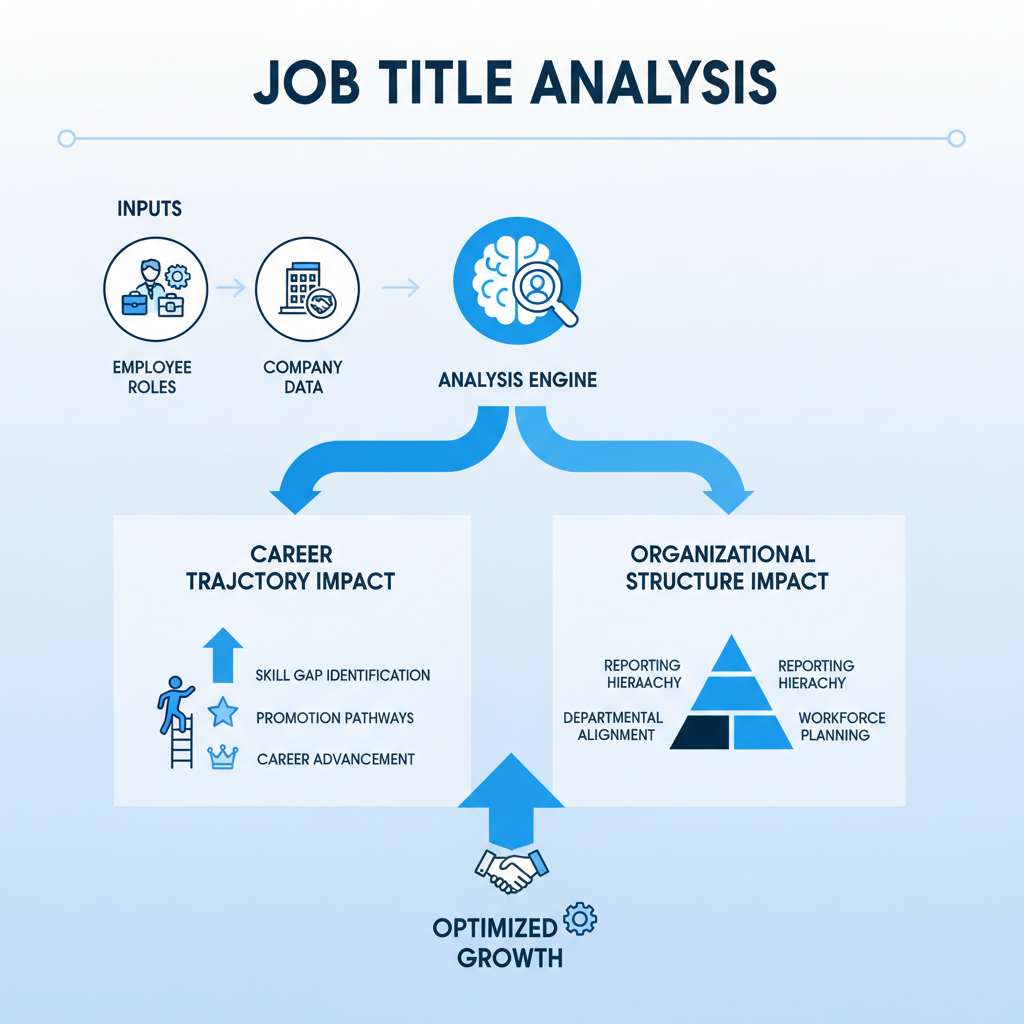
Job title analysis is the systematic process of evaluating whether job titles accurately reflect the responsibilities, scope, and seniority level of a position. This practice goes beyond simply assigning labels—it ensures alignment between what employees do and how their roles are represented both internally and externally. For professionals, this alignment directly influences career trajectory, compensation negotiations, and marketability. For organizations, it shapes talent management strategies, organizational structure, and workforce planning.
At its core, job title analysis examines three critical dimensions: the functional responsibilities of the role, the level of authority and decision-making power, and the position's place within the broader organizational hierarchy. When these elements align properly, both employees and employers benefit from clarity that drives performance and reduces confusion.
The Dual Impact: Employee and Employer Perspectives
From an employee standpoint, accurate job titles serve as career currency. They communicate your professional value to recruiters, hiring managers, and your professional network. A title that understates your contributions can limit opportunities, while one that overstates them can create credibility issues. The analysis process helps professionals identify gaps between their actual contributions and how their role is perceived, enabling strategic conversations about title adjustments that support career progression.
For employers, job title analysis is a talent management imperative. Clear, consistent title structures facilitate better hiring decisions, improve internal mobility, and support succession planning. Organizations that proactively refine their role definitions demonstrate a commitment to transparency and employee development. Recent data shows that organizations using structured approaches to role definition increased job creation by almost 10% in a single year, reflecting a strategic shift toward intentional workforce planning.
Why Job Role Clarity Drives Organizational Performance
The connection between title clarity and organizational effectiveness is measurable. Organizations with high role clarity experience up to 40% fewer scheduling errors and significantly higher productivity levels. When employees understand exactly what their role entails and how it's positioned within the company, they can focus energy on execution rather than navigating ambiguity.
Job title analysis also addresses common pain points in talent management. Inconsistent titles across departments create confusion during reorganizations and complicate compensation benchmarking. Titles that don't reflect actual responsibilities lead to misaligned performance expectations and employee frustration. By establishing clear frameworks for title assignment, organizations create a foundation for fair evaluation, equitable compensation, and transparent career pathways.
For professionals navigating their careers, understanding job title analysis empowers you to advocate effectively for recognition that matches your contributions. It provides a structured approach to assessing whether your current title serves your long-term goals and equips you with the language to discuss adjustments with decision-makers.
Sources
Understanding Job Role Clarity: The Foundation of Career Success
Job role clarity represents the precise definition of what a position entails, including specific responsibilities, expected outcomes, and the boundaries of authority. When roles are clearly defined, employees understand exactly what's expected of them, managers can set appropriate performance benchmarks, and organizations can build cohesive teams without operational overlap.
Without this clarity, professionals often find themselves navigating ambiguous expectations, leading to frustration and missed opportunities for advancement. Clear role definitions eliminate guesswork about ownership and accountability, creating a foundation for both individual success and organizational efficiency.
How Clear Role Definitions Prevent Workplace Confusion
Clearly defining position responsibilities is essential for building a focused, high-performing team. When everyone knows who owns what, chaos and confusion are dramatically reduced. Teams operate more smoothly because there's no uncertainty about task ownership or decision-making authority.
This clarity becomes particularly important in dynamic work environments where responsibilities can shift quickly. Minimizing overlapping responsibilities prevents scheduling disputes and operational inefficiencies that drain productivity. When roles are well-defined, team members can collaborate effectively without stepping on each other's toes or leaving critical tasks unaddressed.
The Impact on Performance Expectations and Career Development
Role clarity directly influences how performance is measured and rewarded. When job responsibilities are precisely outlined, both employees and managers can establish clear, measurable goals aligned with organizational objectives. This alignment makes performance reviews more objective and fair, reducing the ambiguity that often leads to workplace dissatisfaction.
From a career development perspective, understanding your role's boundaries and expectations allows you to identify skill gaps and growth opportunities. Organizations that help employees build relevant skills through clear role frameworks are better positioned to adapt as workplace demands evolve, emphasizing the importance of ongoing skill development within well-defined positions.
Recruiter Insights: ATS and Hiring Decision Implications
As an experienced recruiter, I've seen firsthand how role clarity impacts the hiring process. Applicant Tracking Systems (ATS) rely heavily on clear job titles and well-defined responsibilities to match candidates with positions. When job descriptions lack clarity, qualified candidates may be filtered out simply because the system can't recognize the alignment between their experience and the vague role requirements.
Clear role definitions also improve the quality of applicant pools. Candidates can self-assess their fit more accurately when they understand exactly what the position entails, leading to better matches and reduced turnover. For hiring managers, precise role clarity means more efficient screening processes and stronger interviewing frameworks, ultimately resulting in better hiring decisions that benefit both the organization and the new employee.
Sources
The Responsibility Alignment Framework: Matching Titles to Duties
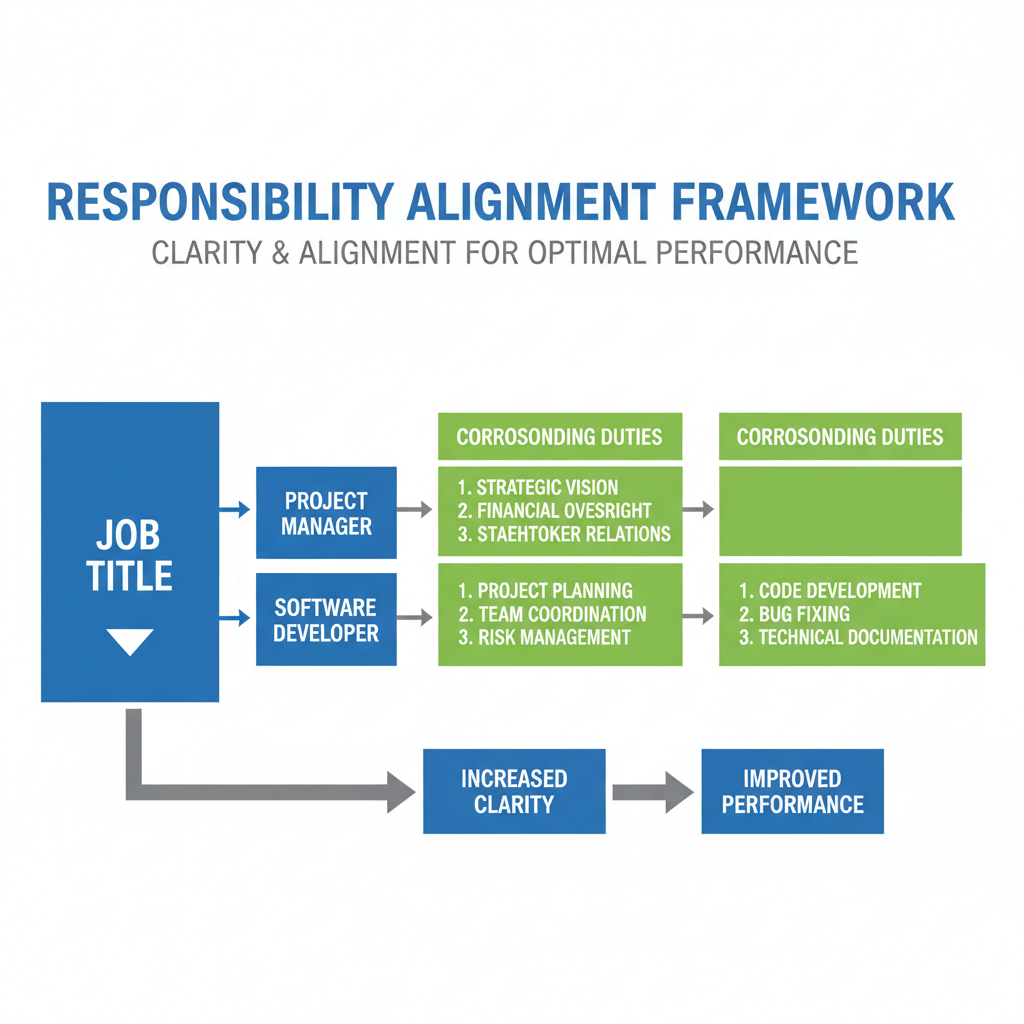
Aligning your job title with your actual responsibilities is critical for career advancement and organizational transparency. When titles accurately reflect duties, both employees and employers benefit from clearer expectations, improved performance metrics, and stronger pathways to promotion. A systematic approach to responsibility alignment ensures your contributions are properly recognized and valued.
The foundation of this framework involves creating a comprehensive audit of your current role. This process requires honest assessment of daily tasks, strategic initiatives, and the scope of authority you exercise. Many professionals discover significant gaps between their official title and the work they perform—gaps that can limit career progression if left unaddressed.
Building Your Job Responsibilities Matrix
A job responsibilities matrix serves as the cornerstone of effective alignment. This structured tool helps you document and analyze the full scope of your role through several key components:
- Task identification: List all regular duties, projects, and responsibilities you handle
- Role mapping: Connect each task to organizational objectives and outcomes
- Authority levels: Document decision-making power and supervisory responsibilities
- Time allocation: Track the percentage of time spent on each major responsibility
- Documentation format: Organize information in a clear, presentable structure
This matrix provides concrete evidence when discussing role clarity with managers or during title negotiation conversations. It transforms subjective perceptions into objective data that supports your case for alignment.
Identifying Title-Responsibility Gaps
Once you've documented your responsibilities, compare them against your current job title and description. Look for discrepancies in several areas:
- Responsibilities that exceed your title's typical scope
- Leadership or strategic duties not reflected in your designation
- Specialized skills or certifications your title doesn't acknowledge
- Cross-functional work that expands beyond your official role
These gaps represent opportunities for title refinement. When your actual contributions surpass your title's conventional expectations, you have grounds to advocate for a change that better reflects your value to the organization.
Creating Spaces for Career Stage Evolution
As careers progress, responsibilities naturally evolve. Effective alignment frameworks account for this growth by designing flexibility into role definitions. Organizations that recognize evolving career stages create pathways that support learning, creativity, and expanding authority as professionals develop.
Regularly revisiting your responsibilities matrix—ideally quarterly or during performance review cycles—ensures your title remains aligned as your role expands. This proactive approach prevents the gradual drift that occurs when titles become outdated.
Documenting Your Case for Alignment
When preparing to advocate for a title change, compile evidence that demonstrates the need for alignment:
- Specific examples of responsibilities beyond your current title
- Comparisons with industry-standard titles for similar roles
- Quantifiable outcomes and achievements from expanded duties
- Feedback from colleagues or supervisors acknowledging your broader scope
This documentation becomes essential during conversations with management about title adjustments. Clear, factual presentation of responsibility misalignment makes a compelling case for change.
The responsibility alignment framework transforms vague feelings of title mismatch into actionable strategies. By systematically auditing your role, identifying gaps, and documenting your case, you position yourself for titles that accurately represent your contributions and support your career trajectory.
Sources
Leveraging Title Clarity for Career Progression
A well-defined job title is more than a label on your business card—it's a strategic asset that can accelerate your career trajectory. When your title accurately reflects your responsibilities and expertise, it opens doors to networking opportunities, increases your visibility to recruiters, and positions you for internal advancement. Clarity in your professional identity creates momentum that propels your career forward.
Enhanced Visibility in Recruiter Searches
Recruiters and hiring managers rely heavily on job titles when searching for candidates. A clear, industry-standard title ensures you appear in relevant searches on platforms like LinkedIn and job boards. If your title is vague, overly creative, or misaligned with common terminology in your field, you risk being overlooked for opportunities that match your skill set. Aligning your title with widely recognized professional standards dramatically increases your discoverability.
Consider how applicant tracking systems (ATS) parse resumes and profiles. These systems prioritize keyword matches, and job titles are among the most heavily weighted fields. A title that clearly communicates your level and function—such as "Senior Marketing Manager" rather than "Brand Storytelling Guru"—ensures your profile surfaces in the right searches.
Networking Benefits and Professional Credibility
When you introduce yourself at industry events or connect with peers online, your job title serves as an immediate signal of your expertise and seniority. A precise title helps others quickly understand your background, facilitating more meaningful conversations and connections. It establishes credibility and positions you as a serious professional within your field.
Networking becomes more effective when your title accurately represents your contributions. Colleagues and industry contacts can more easily identify collaboration opportunities, refer you for relevant roles, or recommend you as a speaker or thought leader. This clarity strengthens your professional brand and expands your influence within your network.
Internal Promotion Pathways
Within your organization, title clarity plays a crucial role in career progression. When your title reflects your actual responsibilities and achievements, it becomes easier to demonstrate readiness for the next level. Managers and decision-makers can more clearly see your growth trajectory and understand how you fit into succession planning.
A well-aligned title also helps you articulate your value during performance reviews and promotion discussions. It provides concrete evidence of your evolving role and expanding scope of responsibility. In today's workplace, where concerns about role clarity are growing—particularly as new technologies reshape traditional job functions—having a title that accurately captures your contributions becomes increasingly important for career advancement.
Salary Negotiation Leverage
Accurate job titles provide substantial leverage during salary negotiations. When your title aligns with industry benchmarks, you can reference salary data for comparable positions to support your compensation requests. A title that understates your responsibilities puts you at a disadvantage, as it may anchor negotiations to lower pay bands.
During external job searches, a clear title on your resume helps hiring managers slot you into appropriate salary ranges from the outset. It prevents misunderstandings about your level and ensures initial offers reflect your true experience. This clarity can translate directly into stronger compensation packages and faster negotiation processes.
By ensuring your job title accurately represents your role, you create a foundation for sustained career growth. Title clarity isn't just about semantics—it's about positioning yourself strategically for the opportunities and recognition you deserve.
Sources
Common Job Title Pitfalls That Stall Your Career
Even talented professionals can find their career progression stalled by job title mistakes they don't realize they're making. Understanding these common pitfalls is essential for maintaining job role clarity and positioning yourself for advancement. Let's explore the most frequent title-related errors that can derail your career trajectory.
Inflated Titles Without Substance
One of the most damaging mistakes is holding an impressive-sounding title that doesn't align with your actual responsibilities or level of authority. While "Vice President" or "Director" might look good on a business card, if your day-to-day duties resemble those of a coordinator or specialist, you're setting yourself up for problems.
Recruiters and hiring managers can quickly identify when a title is inflated beyond the role's actual scope. During interviews, the disconnect between your title and your described responsibilities raises red flags. This mismatch can make you appear dishonest or suggest you lack self-awareness about your professional level.
Moreover, inflated titles create unrealistic salary expectations. When you move to a new organization with standardized title structures, you may face a perceived "demotion" that's difficult to explain to future employers.
Outdated Titles That No Longer Reflect Modern Roles
The workplace evolves rapidly, and job titles must keep pace. Holding an outdated title can make you appear disconnected from current industry practices. For example, titles like "Webmaster" or "Data Processing Specialist" have largely been replaced by more contemporary equivalents that better reflect today's technology landscape.
Outdated titles can also obscure your actual skills and contributions. If your responsibilities have expanded significantly but your title hasn't changed in years, you're essentially hiding your professional growth from potential employers and recruiters searching for candidates with your expertise.
This issue becomes particularly problematic when titles don't account for emerging technologies or methodologies. Research indicates that job security concerns are rising, with a significant portion of workers worried about being replaced by those more proficient with new technologies. Maintaining a current title that reflects your modern skill set is crucial for staying competitive.
Overly Creative Titles That Confuse Recruiters
While some organizations pride themselves on quirky, creative job titles like "Chief Happiness Officer" or "Marketing Ninja," these titles can seriously hinder your career mobility. Recruiters typically search databases using standard industry terminology, meaning your creative title might prevent you from appearing in relevant searches.
Creative titles also create translation problems when networking or explaining your role to people outside your organization. If you have to spend the first five minutes of every conversation explaining what your title actually means, you're wasting valuable time and potentially losing opportunities.
The confusion extends to applicant tracking systems, which are programmed to recognize conventional job titles and keywords. A non-standard title can cause your resume to be filtered out before a human ever sees it, regardless of your qualifications.
Titles That Don't Translate Across Industries
Industry-specific jargon in job titles can limit your career options if you ever want to transition to a different sector. A title that's perfectly clear within your current industry might be meaningless or confusing elsewhere. This lack of portability can trap you in a single industry, even when your skills are broadly applicable.
For example, titles common in government or academia often don't align with corporate equivalents, making lateral moves challenging. Similarly, startup titles frequently don't map cleanly to established corporate structures, creating obstacles when transitioning to larger organizations.
This translation problem becomes especially acute for mid-level and senior leaders, where role clarity and organizational alignment are critical. Studies show that a significant majority of leaders at these levels experience frequent burnout, often exacerbated by unclear role definitions and misaligned responsibilities.
Recognition Strategies to Avoid These Pitfalls
To protect your career from these common title pitfalls, start by conducting regular self-assessments of your job title's accuracy and market relevance. Compare your title against industry standards by reviewing job postings for similar roles at comparable organizations.
Seek feedback from mentors, recruiters, or career coaches who can provide an objective perspective on how your title is perceived in the broader market. They can help you identify potential red flags before they become career obstacles.
If you recognize any of these pitfalls in your current title, develop a strategy to address them. This might involve negotiating a title change with your employer, supplementing your title with a clear descriptor on your resume, or proactively explaining your role's scope during networking conversations.
Finally, stay informed about evolving industry terminology and emerging role categories. Professional associations, industry publications, and job market research can help you understand how titles in your field are changing and ensure you're positioned for continued career success.
Sources
How to Conduct a Personal Job Title Audit
Conducting a personal job title audit is a strategic exercise that helps you evaluate whether your current title accurately reflects your responsibilities, skills, and market value. This self-assessment process enables you to identify gaps between your actual contributions and how your role is perceived, both internally and externally. By systematically reviewing your title against your duties and industry standards, you can make informed decisions about career progression and professional positioning.
A thorough audit requires honest self-reflection and objective market research. The goal is not to inflate your importance, but to ensure your title provides clarity about your role and sets you up for future opportunities. When your title aligns with your responsibilities, it becomes easier for recruiters, hiring managers, and colleagues to understand your expertise and potential.
Step 1: Document Your Current Responsibilities
Begin by creating a comprehensive list of everything you do in your role. Include daily tasks, recurring projects, strategic initiatives, and any leadership or mentorship responsibilities. Be specific about the scope of your work: How many people do you manage or influence? What budgets do you control? Which business outcomes are you accountable for?
This documentation serves as your baseline for comparison. Many professionals discover that their actual responsibilities have evolved significantly beyond what their original job description outlined. Capturing this evolution is essential for understanding whether your title still fits.
Step 2: Analyze Your Decision-Making Authority
Examine the level of autonomy and decision-making power you hold. Do you execute tasks assigned by others, or do you set strategic direction? Are you responsible for final approvals, or do you make recommendations that require sign-off? Understanding your decision-making authority helps you assess whether your title reflects your actual level of seniority.
Consider questions like: Do you have budget approval authority? Can you hire or terminate employees? Do you represent your department or company in external meetings? These indicators reveal whether your title accurately conveys your organizational influence.
Step 3: Research Industry-Standard Titles
Conduct market research to understand how similar roles are titled across your industry. Review job postings from companies of comparable size and sector, paying attention to the responsibilities listed for various title levels. Professional networking platforms and industry associations can provide valuable benchmarking data.
Look for patterns in how responsibilities map to titles. For example, does your scope of work align more closely with what the market calls a "Coordinator," "Manager," "Senior Manager," or "Director"? This external perspective helps you evaluate whether your title is inflated, deflated, or appropriately aligned with market norms.
Step 4: Compare Your Title to Internal Peers
Examine how your title compares to colleagues with similar responsibilities within your organization. Are there inconsistencies in how titles are assigned across departments? Do peers with comparable duties hold different titles? Understanding internal title structures reveals whether your organization has clear, consistent naming conventions or whether there's room for alignment.
This internal comparison also helps you identify potential inequities that may need to be addressed through formal channels. Consistency in title assignment promotes transparency and fairness across the organization.
Step 5: Assess Title Clarity and Market Recognition
Evaluate whether your current title clearly communicates what you do to external audiences. Overly creative or company-specific titles may confuse recruiters and limit your visibility in job searches. Ask yourself: If someone outside my organization saw my title on a resume, would they understand my role and level?
Test your title by searching for it on job boards and professional networks. If few or no similar titles appear, it may be too niche or unconventional. Titles that align with widely recognized industry standards enhance your professional marketability and support career progression.
Step 6: Identify Gaps and Opportunities
Based on your research and self-assessment, identify any gaps between your current title and what would more accurately reflect your role. Document specific examples where your title has created confusion or limited opportunities. These insights will be valuable if you decide to pursue a title change.
Consider whether the gap represents a genuine misalignment or whether it signals an opportunity for professional development. Sometimes, a title audit reveals that you need to expand your skills or responsibilities to justify the title you aspire to hold.
Step 7: Develop Your Ideal Title Proposal
Craft a proposed title that accurately represents your responsibilities while aligning with both internal structures and external market standards. Ensure the title is clear, professional, and appropriately reflects your level of authority. Avoid inflated titles that overstate your role or overly creative titles that sacrifice clarity.
Your proposed title should position you for future growth while honestly representing your current contributions. This balance ensures credibility with both your employer and the broader job market.
Sources
Strategies for Negotiating a Title Change With Your Employer

Negotiating a title change requires strategic preparation and professional communication. When your responsibilities have expanded beyond your current title, initiating this conversation demonstrates self-advocacy and career awareness. The key is approaching the discussion with evidence, timing, and a clear business case that benefits both you and your organization.
Successful title negotiations depend on building a compelling argument that aligns your request with organizational goals and market standards. By presenting your case professionally and addressing potential concerns proactively, you increase the likelihood of achieving the recognition your contributions deserve.
Timing Your Request Strategically
Choosing the right moment to request a title change significantly impacts your success. Performance review cycles provide natural opportunities for these discussions, as managers are already evaluating contributions and considering advancement paths. After completing a major project or achieving significant results, you have fresh evidence of your expanded capabilities.
Avoid initiating title conversations during organizational restructuring, budget freezes, or periods of company uncertainty. These circumstances make approvals difficult regardless of merit. Instead, wait for stable periods when leadership can focus on individual development and recognize achievements appropriately.
Consider your tenure and recent performance trajectory. If you've recently received a promotion or title change, waiting at least 12-18 months demonstrates patience and continued growth. Building a sustained track record of expanded responsibilities strengthens your position considerably.
Gathering Evidence to Support Your Case
Documentation forms the foundation of any successful title negotiation. Compile specific examples of responsibilities that exceed your current title's typical scope. Include projects you've led, teams you've managed, revenue you've generated, or processes you've improved. Quantifiable achievements carry particular weight in these discussions.
Research market standards for titles in your industry and geographic area. Identify how similar roles are titled at comparable organizations. This external benchmarking demonstrates that your request aligns with professional norms rather than personal preference. Industry salary surveys and professional association resources provide valuable comparison data.
Gather internal evidence as well. Review job descriptions for positions at the level you're targeting within your organization. Identify colleagues with similar responsibilities who hold the title you're seeking. This internal consistency argument helps leadership see the equity and fairness of your request.
Developing a Compelling Business Case
Your title change request should clearly articulate organizational benefits, not just personal advancement. Frame your argument around how an accurate title enhances your effectiveness in representing the company, recruiting talent, or engaging with clients and stakeholders. When external parties interact with you, does your current title accurately reflect your authority and decision-making capacity?
Address how the title change supports succession planning and organizational clarity. If you're performing senior-level work, having a title that reflects this reality helps the company demonstrate clear career progression paths to other employees. This transparency supports retention and motivates team members to pursue similar growth.
Consider the recruitment and retention perspective. An accurate title makes your role more competitive in the talent market and demonstrates that the organization values appropriate recognition. This investment in title clarity signals respect for employee contributions and supports long-term engagement.
Presenting Your Value Effectively
When you meet with your manager, approach the conversation as a collaborative discussion rather than a demand. Begin by expressing your commitment to the organization and your desire to continue growing within it. Frame the title change as a natural progression that reflects your evolution in the role.
Present your evidence systematically, starting with your expanded responsibilities and achievements. Walk through specific examples that demonstrate you're already performing at the level of the title you're requesting. Use your research to show alignment with market standards and internal equity.
Practice your presentation beforehand, anticipating questions and objections. From an interview coaching perspective, treating this conversation with the same preparation you'd give a job interview demonstrates professionalism. Articulate your value proposition clearly, concisely, and confidently without appearing entitled or demanding.
Handling Common Objections
Be prepared to address typical concerns managers raise during title discussions. If budget is cited as an obstacle, clarify whether you're requesting a title change with or without compensation adjustment. Sometimes organizations can approve title changes more easily when separated from immediate salary implications.
When managers suggest waiting for the next review cycle, ask what specific milestones or achievements would make approval appropriate at that time. This creates clear expectations and demonstrates your willingness to meet defined criteria. Document these commitments for follow-up discussions.
If organizational structure is cited as a barrier, explore whether alternative titles might achieve similar recognition while fitting existing frameworks. Flexibility in the specific title while maintaining the appropriate level shows reasonableness and problem-solving orientation.
Following Up and Next Steps
After your initial conversation, send a written summary of the discussion, including any agreed-upon next steps or timelines. This documentation ensures alignment and creates accountability for commitments made during the meeting. Express appreciation for the consideration and reiterate your enthusiasm for continuing to contribute at a high level.
If your request is approved, clarify the effective date and any associated changes to responsibilities or reporting relationships. Ensure the title change is reflected in all relevant systems, including email signatures, business cards, and internal directories. Update your professional profiles to reflect the new title once it's official.
If your request is declined, ask for specific feedback about what would need to change for reconsideration in the future. Use this information to create a development plan that addresses gaps and positions you for success in subsequent discussions. Sometimes a declined request provides valuable insight into organizational expectations and growth opportunities.
Sources
The Employer's Perspective: Building Clear Title Structures
While employees benefit significantly from job role clarity, organizations gain equally powerful advantages when they invest in well-structured title frameworks. Clear job titles aren't just administrative labels—they're strategic tools that impact recruitment efficiency, employee retention, internal equity, and organizational transparency.
As an experienced recruiter, I've witnessed how companies with standardized title structures attract stronger talent pools and retain high performers more effectively. When job titles accurately reflect responsibilities and career progression paths, organizations create an environment where employees understand their current position and can visualize their future growth.
Standardization Drives Organizational Efficiency
Establishing consistent title structures across departments eliminates confusion and creates benchmarks for performance evaluation. Standardization means that a "Senior Analyst" in marketing carries comparable weight and responsibility to a "Senior Analyst" in finance. This consistency helps leadership make informed decisions about compensation, promotions, and resource allocation.
Without standardization, organizations risk creating title inflation—where employees receive elevated titles in lieu of salary increases or meaningful responsibility changes. This practice erodes the value of titles across the organization and makes external recruitment more challenging.
The Retention Impact of Title Clarity
Employees who understand their role's scope and see a clear path forward are significantly more likely to remain with an organization. When title structures map to defined career ladders, professionals can identify the skills and achievements needed for advancement. This transparency reduces frustration and the feeling of career stagnation that often drives talented individuals to seek opportunities elsewhere.
Clear titles also facilitate internal mobility. When employees can easily understand roles across different departments, they're more likely to pursue lateral moves that broaden their expertise while remaining within the organization.
Recruitment Efficiency Through Accurate Titles
From a recruitment perspective, precise job titles serve as the first filter in attracting qualified candidates. Titles that accurately describe responsibilities help job seekers quickly assess fit, reducing application volume from unqualified candidates and increasing applications from those with relevant experience.
When titles align with industry standards, organizations also improve their visibility in job search algorithms and databases. Candidates searching for "Marketing Manager" roles will find your posting if that's the title you use—but may miss it entirely if you've created a non-standard title like "Brand Experience Orchestrator" for the same position.
Building Internal Equity With Transparent Structures
Title clarity supports pay equity and fairness across the organization. When titles are standardized and tied to specific responsibility levels, it becomes easier to ensure that individuals performing similar work receive comparable compensation regardless of department, location, or manager.
This transparency also helps organizations identify and address potential inequities before they become systemic problems. Regular title audits—reviewing whether titles accurately reflect current responsibilities—can reveal gaps where certain teams or individuals have taken on expanded duties without corresponding recognition.
Implementing Effective Title Frameworks
Successful organizations approach title structure as a strategic initiative, not an administrative afterthought. This requires collaboration between HR, department leaders, and employees to create frameworks that balance consistency with flexibility.
Start by establishing clear level definitions (entry-level, mid-level, senior, leadership) with specific criteria for each tier. Document the core responsibilities, required experience, and expected competencies for each level. Then map existing titles to these frameworks, identifying inconsistencies and opportunities for realignment.
Regularly review and update title structures as the organization evolves. New technologies, market shifts, and business model changes may require new roles or the redefinition of existing ones. Maintaining relevance ensures that your title structure continues to serve both organizational and employee needs effectively.
Sources
Conclusion
Job role clarity is not a one-time achievement—it's an ongoing career management tool that requires regular attention and refinement. As your responsibilities evolve, as industries shift, and as organizational structures change, your job title should continue to accurately reflect the value you bring and the scope of your contributions. Treating title clarity as a static element is one of the most common mistakes professionals make, often leading to misalignment that can quietly undermine career progression.
Throughout my years as a career strategist and recruiter, I've witnessed firsthand how a single title realignment can unlock opportunities that seemed out of reach. When professionals advocate for titles that genuinely represent their contributions, they position themselves not only for internal advancement but also for external opportunities that align with their true capabilities. This clarity benefits everyone: employees gain recognition and direction, while employers build transparent, equitable structures that support retention and engagement.
Taking Action on Your Title Clarity
Now is the time to conduct your own job title audit. Review your current responsibilities against your official title, assess whether the two align, and identify any gaps that may be holding you back. If misalignment exists, prepare a clear, evidence-based case for a title change that reflects your actual duties and achievements. Remember, clear leadership and well-defined expectations are foundational to workplace success—when your title accurately conveys your role, you contribute to a culture of transparency and psychological safety.
Whether you're an individual contributor seeking career advancement or a leader building organizational structures, prioritizing job role clarity will yield measurable returns. Start today by evaluating where you stand, where you want to go, and whether your current title supports that journey. Your career success depends on it.
Sources

Written by
Emily Johnson
Published March 2, 2026 · 31 min read
Emily Johnson is a seasoned career strategist with over a decade of experience in recruitment and talent acquisition. With a background in human resources, she excels at helping professionals refine their job search strategies, from crafting compelling resumes to mastering interview techniques. As an expert in Applicant Tracking Systems (ATS), Emily is dedicated to guiding individuals toward their dream careers.
Want this kind of read on your résumé?
We'll tell you what's actually working, what's holding you back, and what to fix — in plain English.
Get My Job Match ScoreYou Might Also Like
More articles to help you advance your career

Career Advancement: 9 Essential Ways for Stress-Free Growth
Discover how job titles influence career advancement and promotions. Learn 9 essential strategies to leverage titles for upward mobility and growth.

Salary Negotiation: 9 Essential Strategies for Best Results
Master salary negotiation with 9 essential strategies. Learn proven techniques to maximize your earning potential and achieve the best results.