

Salary Negotiation: 9 Essential Strategies for Best Results
Master salary negotiation with 9 essential strategies. Learn proven techniques to maximize your earning potential and achieve the best results.
 Emily Johnson
Introduction

Key Takeaways
- Job titles significantly influence salary expectations and compensation discussions beyond the immediate responsibilities of a role
- Understanding the relationship between titles and pay is essential for strategic salary negotiation
- Over 70% of hiring managers expect candidates to negotiate, yet only about half actually do
- Leveraging title prestige alongside salary discussions maximizes your negotiating power during job offers
- Strategic title selection can open doors to long-term career advancement and earning potential
In my early years as a recruiter, I vividly remember a candidate who taught me an invaluable lesson about how job titles affect salary expectations. This individual was applying for a role that seemed like a lateral move in terms of responsibilities, but the title was significantly more prestigious. As we navigated the salary negotiation process, it became clear that the candidate's expectations were heavily influenced by the new title—they were aiming for compensation that aligned more with the future growth opportunities and prestige associated with the title, rather than the day-to-day duties of the role.
This experience underscored for me the critical role that job titles play in shaping compensation discussions. It's not just about the tasks you perform, but also how those tasks are perceived within the hierarchical structure of an organization. Titles can be a powerful tool for career progression, and understanding their influence can lead to more strategic salary negotiations.
The Hidden Power of Job Titles in Compensation
Most professionals focus exclusively on salary figures during negotiations, overlooking a critical factor that shapes earning potential: the job title itself. Your title carries weight far beyond what appears on your business card. It influences how hiring managers benchmark your compensation, affects your perceived market value, and determines your trajectory for future raises and promotions.
The job offer stage represents your moment of maximum leverage. Research shows that this is when you have the strongest position to negotiate not just for higher pay, but for a title that accurately reflects your expertise and sets you up for long-term success. Yet many candidates leave this opportunity untapped, accepting titles that undervalue their contributions or limit their future earning potential.
Why This Matters for Your Career Strategy
Understanding the interplay between titles and compensation empowers you to approach salary negotiation with a more sophisticated strategy. When you recognize that a well-chosen title can be as valuable as an immediate salary increase, you gain the ability to negotiate for both present compensation and future opportunities. This dual approach positions you for sustained career growth and maximizes your earning potential across multiple job transitions.
Throughout this guide, you'll discover nine essential strategies for leveraging title impact on pay to achieve salary success. From understanding the psychology behind title-driven expectations to mastering research methods for title-based compensation trends, these insights will transform how you approach your next salary negotiation.
Sources
The Psychology Behind Why Job Titles Drive Compensation Expectations
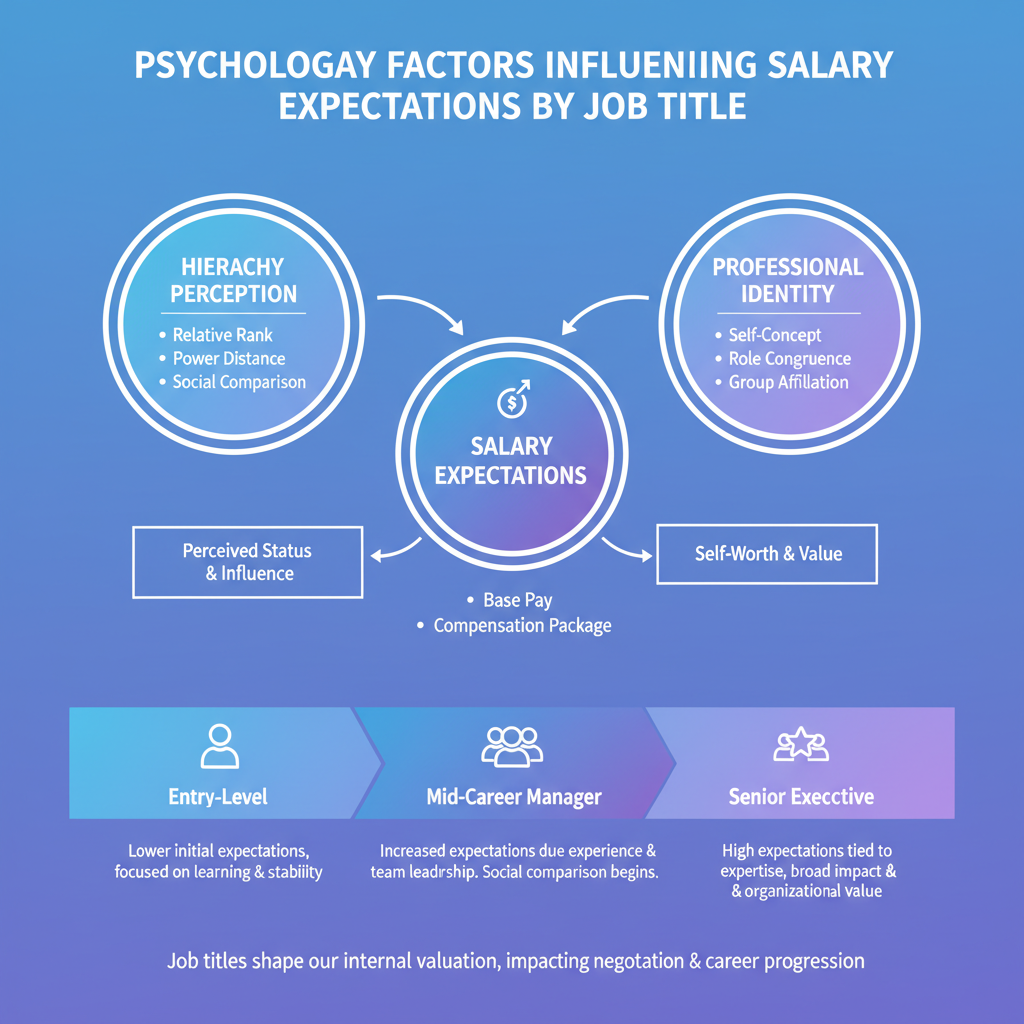
Job titles carry far more weight in salary negotiation than many professionals realize. They function as cognitive shortcuts that both candidates and employers use to quickly assess value, positioning, and appropriate compensation levels. Understanding these psychological mechanisms can transform how you approach your next salary discussion.
Hierarchy Perception and Mental Shortcuts
When evaluating a job opportunity, both parties rely on titles to establish immediate context. A "Senior" designation signals experience and expertise, while "Manager" or "Director" implies leadership responsibility and decision-making authority. These labels trigger automatic associations with compensation ranges, creating expectations before any detailed conversation begins.
Employers use titles as organizational shorthand to justify budget allocations and maintain internal equity. Candidates use them to benchmark their worth against market standards. This shared reliance on titles as value indicators makes them central to every compensation negotiation, even when actual responsibilities may vary significantly across organizations.
Professional Identity and Market Positioning
Your job title becomes part of your professional identity and shapes how others perceive your capabilities. It appears on your resume, LinkedIn profile, and in networking conversations—each time reinforcing your market position. A well-aligned title can open doors to future opportunities and higher salary ranges, while a mismatched one can create barriers regardless of your actual skills.
This identity effect explains why professionals sometimes prioritize title changes alongside salary increases. The right title doesn't just reflect current compensation; it influences future earning potential by positioning you within industry hierarchies and career progression paths.
The Confidence Signal in Negotiations
Salary negotiation is not pushy—it's professional. Done well, it signals confidence and preparation. When you negotiate based on title-appropriate compensation ranges, you demonstrate awareness of your market value and professional positioning. This confidence, grounded in understanding how titles correlate with pay, strengthens your negotiating stance.
Employers expect candidates to understand title-based compensation norms. Researching what your title typically commands in the market shows you're informed and serious about fair compensation. This preparation transforms salary negotiation from an uncomfortable conversation into a professional discussion about appropriate value exchange.
Sources
Title Inflation vs. Market Value: Understanding the Disconnect
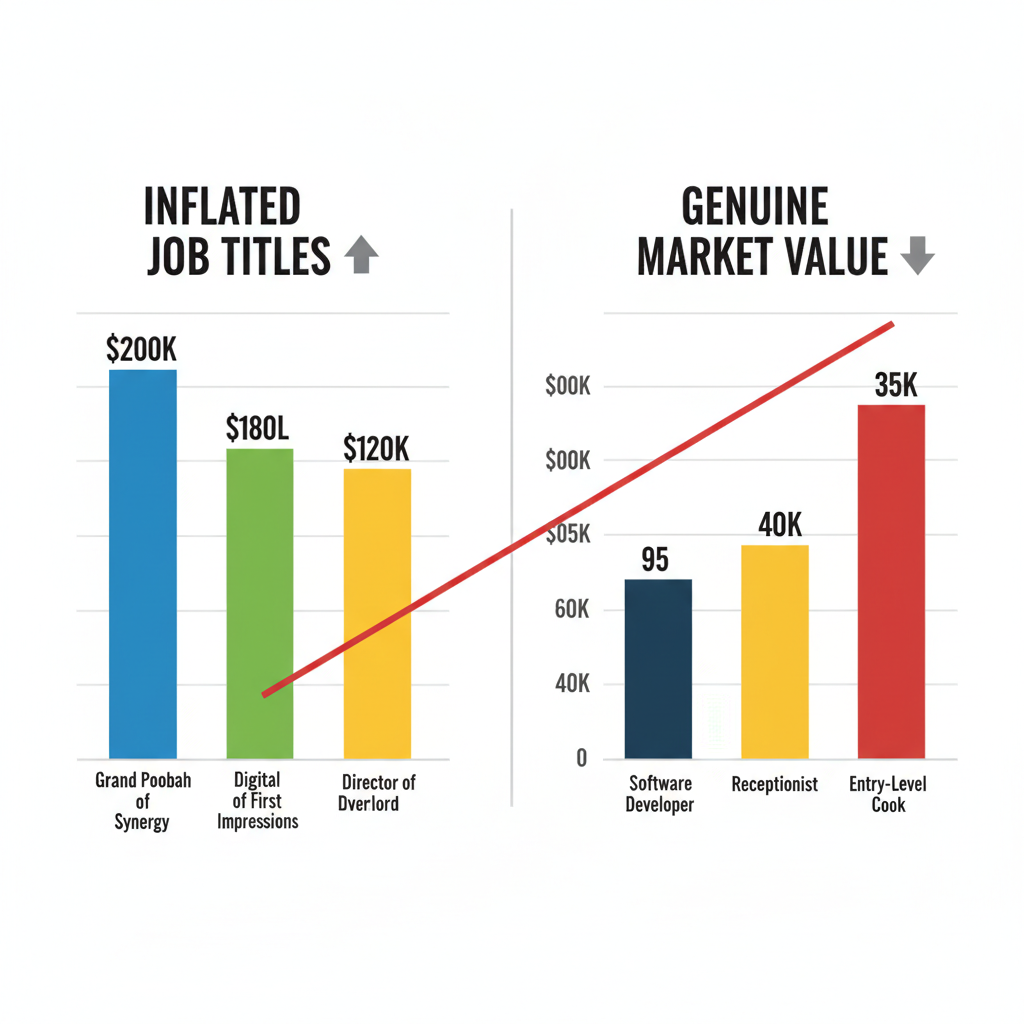
Organizations sometimes use impressive job titles as a low-cost alternative to competitive compensation. This practice, known as title inflation, creates a disconnect between what a position is called and what it actually pays. Understanding this phenomenon is essential for effective salary negotiation and career planning.
Title inflation occurs when companies assign prestigious-sounding titles to roles that don't carry corresponding responsibilities or compensation. A "Director" position at one organization might involve work comparable to a "Senior Manager" role elsewhere, but without the salary typically associated with director-level positions. This strategy allows employers to attract talent with appealing titles while controlling payroll costs.
Identifying Genuine vs. Inflated Titles
Recognizing whether a title reflects true market value requires careful analysis. Genuine titles align with industry standards for scope of responsibility, team size, budget authority, and decision-making power. Inflated titles, by contrast, sound impressive but lack substance when examined closely.
Look beyond the title itself to the actual job description. Does the role involve strategic planning, direct reports, or significant budget oversight? Or does it primarily consist of individual contributor tasks with limited authority? The answers reveal whether the title matches the reality of the position.
Compare the responsibilities listed in the job posting against similar roles at other organizations. If a "Vice President" role involves tasks typically handled by managers or senior individual contributors elsewhere, that's a red flag for title inflation.
Researching True Market Value Regardless of Title
Effective salary negotiation depends on understanding what the work itself is worth, independent of how it's labeled. Research salary benchmarks using multiple reliable sources to build an accurate picture of market rates. Industry data and professional insights provide essential context for evaluating any offer.
Focus your research on the core responsibilities and required qualifications rather than the title alone. A position requiring five years of experience, specific technical skills, and project management responsibilities has a market value determined by those factors—not by whether it's called "Lead Specialist" or "Senior Manager."
Consider the total compensation package, including benefits, bonuses, equity, and growth opportunities. Some organizations offer lower base salaries but stronger benefits or performance incentives. Others provide impressive titles with minimal total compensation. Your research should encompass all these elements.
The Risk of Accepting Prestigious Titles Without Appropriate Pay
Accepting an inflated title without corresponding compensation can limit your earning potential both immediately and long-term. While a prestigious title might seem valuable for your resume, it creates complications in future negotiations. Your next employer may expect you to accept a lateral salary move based on your current title, even though you're actually underpaid for that level.
This situation becomes particularly problematic when you're ready to advance. If you've been working as a "Senior Director" with manager-level pay, transitioning to a genuine senior director role elsewhere becomes challenging. You may face questions about why you're seeking such a significant salary increase for what appears to be a lateral move.
Title inflation can also create internal equity issues. Colleagues with similar or greater responsibilities but more accurate titles may earn comparable or higher salaries, leading to frustration and resentment. The prestige of an inflated title rarely compensates for the financial and professional complications it creates.
Making Informed Decisions During Negotiations
When evaluating an offer, prioritize compensation over title prestige. A well-paid position with an accurate title provides better long-term value than an impressive title with below-market pay. If an employer emphasizes the title while deflecting salary discussions, that's often a sign they're using title inflation as a compensation substitute.
Don't hesitate to negotiate both title and salary if the initial offer doesn't align with market standards. If the title seems inflated relative to the responsibilities and pay, request either a more accurate title or compensation that matches the prestigious one being offered. This approach ensures your next career move builds on a solid foundation rather than a misleading label.
Sources
How Title Impact on Pay Varies Across Career Levels
The relationship between job titles and compensation shifts dramatically as you progress through your career. Understanding these dynamics is essential for effective salary negotiation at every stage of your professional journey.
Entry-Level Positions: When Titles Matter Least
At the beginning of your career, job titles typically have minimal impact on salary negotiation outcomes. Entry-level positions like "Analyst," "Associate," or "Coordinator" generally follow standardized pay bands within organizations. Employers focus primarily on education, internship experience, and potential rather than title distinctions.
The compensation ranges for these roles tend to be narrow and closely aligned with market standards. A Marketing Coordinator and a Marketing Associate at the same company often earn similar salaries, with differences of just a few thousand dollars at most. During this phase, emphasize your skills and eagerness to contribute rather than negotiating heavily on title.
Mid-Level Roles: Where Title Influence Accelerates
As professionals move into mid-career positions, titles begin carrying significantly more weight in compensation discussions. The progression from "Specialist" to "Senior Specialist" or from "Manager" to "Senior Manager" typically corresponds with substantial salary increases.
At this level, titles signal expertise, leadership capability, and organizational value. A Senior Project Manager commands notably higher compensation than a Project Manager, often reflecting a 15-25% salary differential. These title distinctions become critical negotiation points because they establish your positioning for future advancement.
Mid-career professionals should research industry benchmarks for specific titles and be prepared to justify why their experience warrants a senior-level designation. This is the career stage where strategic title negotiation yields the most immediate financial returns.
Senior and Executive Positions: Title as Strategic Currency
At senior and executive levels, titles become intertwined with compensation in complex ways. Titles like "Director," "Vice President," and "C-Suite" roles carry significant prestige and directly influence both immediate salary and long-term earning potential.
However, title inflation becomes more prevalent at these levels, with some organizations granting impressive titles without corresponding compensation. A Vice President at a startup may earn less than a Senior Director at an established corporation. The key is understanding that while titles open doors to future opportunities, they should never substitute for appropriate compensation in your current role.
Executive-level salary negotiation requires balancing title prestige with total compensation packages, including equity, bonuses, and benefits. Confidence plays a crucial role—research shows that 88% of professionals feel confident negotiating salary after receiving a job offer, and this confidence becomes increasingly important as career stakes rise.
Critical Transition Points
Certain title transitions represent pivotal moments for salary growth. The move from individual contributor to people manager, the jump from manager to director, and the leap into executive leadership each present opportunities for significant compensation increases.
These transitions are when you should invest the most energy in salary negotiation. Organizations expect to pay substantially more for leadership roles, and failing to negotiate effectively at these junctures can create compensation gaps that persist throughout your career. Document your expanded responsibilities and the market value of your new title to support your negotiation position.
When Titles Matter Less Than Performance
Despite the general correlation between titles and pay, certain situations minimize title impact. In highly specialized technical roles, individual expertise and unique skills often outweigh title considerations. A data scientist with rare machine learning capabilities may command premium compensation regardless of whether their title includes "Senior" or "Principal."
Similarly, in organizations with flat hierarchies or those undergoing rapid growth, title structures may be fluid or poorly defined. In these environments, focus your salary negotiation on demonstrable value, market rates for your skills, and the organization's ability to pay rather than title comparisons.
Sources
Industry-Specific Title Standards and Their Salary Implications
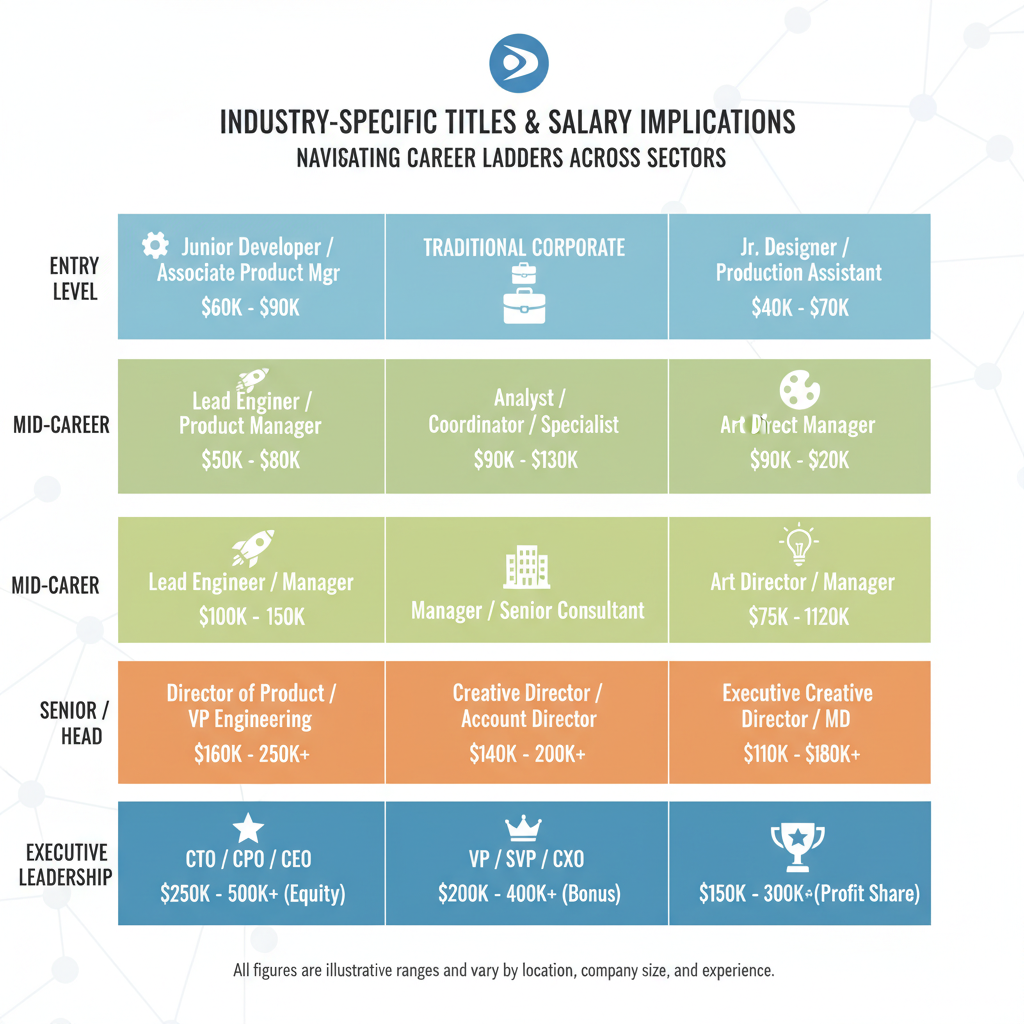
Job titles carry vastly different weight depending on the industry you work in. A "Manager" in tech might oversee strategic initiatives and command six figures, while the same title in nonprofit organizations could involve frontline coordination with significantly lower compensation. Understanding these industry-specific standards is essential for effective salary negotiation and career transitions.
Different sectors have evolved distinct title hierarchies that reflect their organizational structures, funding models, and talent markets. These variations create both challenges and opportunities when evaluating compensation or moving between industries.
How Title Hierarchies Differ Across Major Industries
Tech companies often use flatter organizational structures with titles like "Engineer," "Senior Engineer," and "Staff Engineer" that can span wide salary ranges. The same technical expertise might be labeled "Developer" in one company and "Architect" in another, with compensation varying accordingly.
Finance maintains more rigid hierarchies with clearly defined progressions: Analyst, Associate, Vice President, Director, Managing Director. Each level comes with established compensation bands that are relatively consistent across firms.
Healthcare titles are often tied to credentials and regulatory requirements. Clinical roles follow standardized naming conventions, while administrative positions may use corporate-style titles with healthcare-specific salary benchmarks.
Nonprofit organizations frequently use corporate titles but with adjusted compensation expectations due to funding constraints and mission-driven cultures. A "Director" title in nonprofit may align salary-wise with a "Manager" in the corporate sector.
Strategies for Translating Titles During Industry Transitions
When moving between industries, focus on responsibilities and impact rather than title equivalency. A "Program Manager" transitioning from nonprofit to tech should emphasize project scope, budget management, and stakeholder coordination—skills that translate across sectors.
Research comparable roles in your target industry using salary databases and professional networks. Understanding how your current responsibilities map to new industry standards helps you set realistic compensation expectations and negotiate effectively.
Be prepared to accept title adjustments when changing industries. Sometimes a lateral title move positions you better for long-term growth in a new sector, even if immediate compensation doesn't reflect your previous title's prestige.
Research Methods for Industry-Specific Salary Benchmarking
Consult industry-specific salary resources to understand compensation landscapes. Professional associations, specialized recruiters, and industry publications often provide more accurate data than general salary databases.
Before entering any negotiation, research market salaries for your role using available databases and professional insights to set realistic expectations. This groundwork strengthens your position and demonstrates market awareness to potential employers.
Network with professionals who have made similar industry transitions. Their firsthand experiences provide invaluable context about how titles translate and what compensation adjustments to expect.
Navigating Title Standardization Challenges
Some industries are moving toward title standardization to improve transparency and equity. Understanding whether your target sector follows traditional hierarchies or newer, flatter structures helps you position yourself appropriately.
When discussing compensation, articulate the value you bring rather than anchoring solely to your current title. Hiring managers appreciate candidates who understand that titles serve different functions across industries and who can demonstrate adaptability.
Consider the total compensation package, not just base salary. Industries with lower title-based salaries may offer stronger benefits, equity, or work-life balance that offset immediate compensation differences.
Sources
Strategic Approaches to Negotiating Both Title and Salary
Successful salary negotiation requires viewing compensation as a complete package rather than focusing solely on base pay. When you approach discussions strategically, you can leverage title conversations to unlock greater overall value and position yourself for long-term career growth.
Understanding the Full Compensation Landscape
Employers typically have varying degrees of flexibility across different compensation components. While base salary budgets may be constrained by established pay bands, organizations often have more room to negotiate on titles, bonuses, benefits, and work arrangements. Recognizing this dynamic allows you to create value through strategic tradeoffs.
Before entering negotiations, identify which elements matter most to you. A more senior title might open doors for future opportunities even if the immediate salary increase is modest. Conversely, if you're prioritizing short-term financial needs, you might accept a lateral title move in exchange for higher base compensation or a signing bonus.
When to Prioritize Title Over Immediate Salary
Certain career situations warrant placing greater emphasis on securing the right title. Early-career professionals building their resumes often benefit more from prestigious titles that accelerate future earning potential. Similarly, if you're transitioning industries or returning from a career break, a strong title can validate your repositioning.
Consider prioritizing title when the role offers significant visibility, leadership experience, or access to executive networks. These intangible benefits can compound over time, creating opportunities that far exceed the value of a modest salary bump. However, ensure the title accurately reflects your responsibilities to avoid future complications.
How to Propose Title Changes Effectively
When requesting a title adjustment, frame your proposal around organizational value and market alignment. Research comparable roles at similar companies to demonstrate that your requested title reflects industry standards for the scope of work. Present this as a mutual benefit—accurate titles help with external recruiting and internal clarity.
Prepare a clear rationale that connects the title to your responsibilities, required expertise, and impact on business outcomes. Avoid making it personal or focusing solely on your preferences. Instead, emphasize how the appropriate title supports your ability to represent the organization, collaborate with stakeholders, and attract talent to your team if applicable.
Practical Scripts for Title and Salary Discussions
Using a well-structured approach can guide your conversations and help you advocate effectively. When discussing title impact during negotiations, try framing like this:
"I'm excited about this opportunity and the responsibilities we've discussed. Based on my research of similar roles in the industry, positions with this scope typically carry a [proposed title]. Would there be flexibility to align the title with these market standards? I believe this would also help clarify my role to external partners and support our team's credibility."
If the hiring manager expresses budget constraints on salary, pivot to the broader package:
"I understand the salary range has specific parameters. I'd like to explore the complete compensation structure. Are there opportunities to discuss performance bonuses, additional equity, professional development budgets, or flexible work arrangements that could help bridge the gap?"
Negotiating the Complete Package
Move beyond base salary to examine every component that contributes to your total compensation and quality of life. This includes annual bonuses, stock options, retirement contributions, health benefits, vacation time, remote work flexibility, professional development funds, and relocation assistance.
Create a prioritized list of what matters most to you, then propose creative combinations. For example, if the employer cannot increase base salary, you might negotiate for a title upgrade plus a performance review in six months, a signing bonus, or enhanced benefits. This approach demonstrates flexibility while ensuring you receive fair value.
Timing Your Title Negotiations
The optimal moment to discuss title often differs from salary conversations. While salary negotiations typically occur after receiving an offer, title discussions can begin earlier when clarifying role expectations. If you notice a disconnect between the proposed title and described responsibilities during interviews, address it before the offer stage.
For internal promotions or title changes within your current organization, tie requests to performance reviews, project completions, or organizational restructuring. Document your expanded responsibilities and prepare a business case that shows how the title change reflects your current contributions.
Handling Objections and Finding Middle Ground
When employers resist title changes, understand their concerns. Some organizations have rigid title hierarchies or worry about internal equity. Others may fear setting precedents. Listen carefully to objections and propose alternatives that address their concerns while meeting your needs.
If a formal title change isn't possible, explore options like a working title for external use, a clear promotion timeline, or expanded responsibilities that justify a future title adjustment. Sometimes securing a commitment for a six-month review with title reconsideration provides a workable compromise.
Sources
Research Methods for Understanding Title-Based Compensation Trends
Effective salary negotiation begins with thorough research. Understanding what others in similar roles earn gives you the data foundation needed to advocate for fair compensation. Without this information, you're negotiating blind—unable to distinguish between a competitive offer and one that undervalues your position.
The key to successful research is using multiple sources and accounting for the variables that influence pay. Geographic location, company size, and industry all create significant variations in compensation for identical job titles. A Marketing Manager in San Francisco at a tech startup will command different compensation than the same title at a nonprofit in Atlanta.
Leveraging Online Salary Research Platforms
Several established platforms provide role-specific salary ranges that can inform your negotiations. Resources like Glassdoor, Payscale, and Salary.com aggregate compensation data across industries and locations, allowing you to filter by job title, experience level, and geographic area.
When using these tools, look beyond the median salary figure. Examine the full range from the 25th to 75th percentile to understand the spread of compensation for your target title. This range reveals how much variation exists and helps you identify where your specific qualifications should position you within that spectrum.
Government resources like the Bureau of Labor Statistics offer another valuable data source. While less granular than commercial platforms, these official statistics provide industry-wide benchmarks that can validate findings from other sources. LinkedIn Salary Insights also provides peer-reported compensation data filtered by your professional network and industry connections.
Accounting for Geographic and Company Variables
Location dramatically affects compensation for identical titles. Cost of living adjustments, local talent supply and demand, and regional market norms all contribute to geographic pay differences. When researching, always filter data by your specific metro area or state rather than relying on national averages.
Company size creates another critical variable. Larger organizations typically offer more structured compensation bands and may pay premium salaries for established titles. Smaller companies might offer lower base salaries but greater equity potential or faster advancement opportunities. Filter your research by company size ranges that match your target employers.
Industry standards also shape title-based pay significantly. A "Director of Operations" means something different in manufacturing versus software development. Cross-reference salary data within your specific industry sector to ensure you're comparing truly equivalent roles.
Building a Comprehensive Compensation Picture
Effective research combines multiple methodologies. Start with broad online platforms to establish baseline ranges, then narrow your focus using industry-specific resources. Professional associations often publish compensation surveys exclusive to their fields, providing highly relevant benchmarks.
Networking conversations with peers in similar roles offer qualitative context that numbers alone cannot provide. These discussions reveal not just salary figures but also bonus structures, equity packages, and non-monetary benefits that complete the total compensation picture.
Document your findings in a structured format, noting the source, date, and specific filters applied for each data point. This organized approach allows you to reference specific research during negotiations and demonstrates that your expectations are grounded in market reality rather than arbitrary preferences.
Sources
Leveraging Title Changes for Salary Growth Within Your Current Organization
Title changes represent one of the most powerful yet underutilized levers for salary negotiation within your current organization. When positioned strategically, a title promotion or reclassification can unlock compensation adjustments that might otherwise be difficult to secure through standard performance review processes. Understanding how to navigate this opportunity requires careful timing, solid documentation, and awareness of your organization's internal politics.
Building a Data-Driven Business Case for Title Changes
Successful title-based salary negotiation begins with constructing a compelling business case that demonstrates the value you've already delivered and the expanded scope you're handling. Document specific instances where your responsibilities have grown beyond your current title's typical parameters. Gather concrete examples of projects you've led, decisions you've made independently, and outcomes you've driven that align with higher-level positions.
Your business case should include market data showing how your current contributions compare to industry standards for the title you're seeking. This evidence-based approach transforms the conversation from a personal request into a logical alignment of your role with organizational and market realities. The stronger your documentation, the easier you make it for decision-makers to approve your request.
Strategic Timing for Title and Compensation Discussions
Timing plays a critical role in the success of title-based salary negotiations. Present your case for a title change and corresponding pay increase before new financial plans are set in stone to increase the likelihood of approval. Many organizations finalize budgets months in advance, so initiating conversations during strategic planning periods gives your manager time to incorporate your request into upcoming allocations.
Avoid waiting until annual review cycles if your responsibilities have already shifted significantly. When you've taken on substantially different duties, addressing the title misalignment promptly demonstrates professionalism and ensures you're compensated fairly for the work you're currently performing. Early conversations also signal your career ambitions and give leadership time to plan for your advancement.
Navigating Organizational Politics Around Title-Based Compensation
Organizational politics inevitably influence title and salary decisions, particularly in larger companies with established hierarchies and approval processes. Understanding your company's title structure, typical promotion timelines, and decision-making chain helps you position your request effectively. Research how similar title changes have been handled in your department and identify potential champions who can advocate for your case.
Be prepared to address concerns about precedent-setting or equity among team members. Frame your request around your unique contributions and expanded responsibilities rather than comparisons to colleagues. When presenting your case, emphasize how the title change benefits the organization through improved retention, clearer role definition, and better alignment with external talent markets.
Positioning Title Changes as Organizational Solutions
Reframe your title change request as a solution to organizational challenges rather than a personal benefit. If your current title creates confusion with clients, limits your ability to represent the company at certain events, or makes recruiting difficult because your actual responsibilities don't match your formal designation, highlight these business impacts. This approach helps decision-makers see the title adjustment as addressing legitimate operational needs.
Consider proposing a phased approach if immediate title changes face resistance. Suggest a trial period where you formally assume additional responsibilities with a commitment to review the title and compensation after demonstrating success. This reduces perceived risk for the organization while giving you an opportunity to prove the value of the expanded role.
Sources
Future-Proofing Your Career: Choosing Titles That Maximize Long-Term Earning Potential
When evaluating a new opportunity, it's tempting to focus solely on the immediate salary offer. However, the job title you accept today can have profound implications for your earning trajectory over the next decade. A strategic approach to title selection involves looking beyond the current compensation package and considering how each title positions you for future advancement and salary negotiation success.
The long-term financial impact of your title choices can be substantial. Research shows that accepting a salary offer that is $5,000 less than your worth can lead to a loss of six figures over a 20-year career. This compounding effect underscores why choosing titles that align with market standards and career progression paths is essential for maximizing your lifetime earnings.
Evaluating Title Opportunities Through a 5-10 Year Lens
When assessing a job title, ask yourself where this position will position you in five to ten years. Does the title create a clear stepping stone to senior-level roles? Will it be recognized and valued by future employers in your industry? A title that sounds impressive but doesn't align with standard career ladders may actually limit your options down the road.
Consider the narrative your resume will tell. A coherent progression of titles demonstrates steady growth and increasing responsibility. Titles that appear lateral or even regressive can raise questions during future interviews, forcing you to explain gaps in your advancement rather than showcasing your achievements.
Building a Coherent Career Narrative
Your career story should show a logical progression of increasing scope, responsibility, and strategic impact. Each title should build on the previous one, creating a trajectory that supports your long-term salary growth. When you encounter a title that doesn't fit this narrative, consider whether the role's actual responsibilities justify accepting a less-than-ideal designation.
Sometimes, a slightly lower title with exceptional growth opportunities and skill development can be more valuable than a prestigious title in a stagnant role. The key is ensuring that the experience you gain and the accomplishments you achieve will support your ability to command higher compensation in subsequent positions.
Strategic Title Selection for Maximum Flexibility
Choose titles that are widely recognized across your industry rather than organization-specific designations. A unique or creative title might sound appealing, but it can create confusion when you're ready to move to your next role. Standard titles make it easier for recruiters and hiring managers to understand your level of experience and appropriate compensation range.
If an employer cannot meet your salary request initially, consider negotiating for a more senior title that positions you for faster advancement. This strategy can open doors to higher-paying opportunities sooner than accepting a junior title with slightly better immediate pay.
Aligning Titles with Market Compensation Trends
Stay informed about how titles correlate with compensation in your field. Industry salary surveys and compensation data can reveal which titles command premium pay and which are undervalued. Use this intelligence to guide your title negotiations and ensure you're positioning yourself in categories that support your financial goals.
Remember that titles carry different weight in different sectors. A title that commands respect and high compensation in one industry may be less valuable in another. Tailor your title strategy to the specific market you're targeting for long-term career growth.
Sources
Conclusion
Understanding title impact on pay isn't just about vanity—it's a critical component of effective salary negotiation and long-term career success. Throughout this guide, we've explored how job titles shape compensation expectations, influence market perceptions, and create opportunities for strategic career advancement. The relationship between titles and pay is complex, varying across industries, career levels, and organizational structures, but one truth remains constant: informed professionals who approach titles strategically consistently achieve better financial outcomes.
As I've witnessed throughout my recruiting career, candidates who view titles as strategic career tools rather than mere labels position themselves for sustained earning growth. The lesson I learned early on—that titles carry weight beyond immediate responsibilities—has proven true across countless negotiations. When you understand how your title translates to market value, you gain leverage that extends far beyond a single job offer.
Take Action on Your Career Strategy
Now is the time to apply these insights to your own situation. Start by researching your current title's market value using the methods we've discussed—salary surveys, industry benchmarks, and professional networks. Compare your compensation against similar roles in your market, and identify any gaps that warrant discussion. If you're considering a new opportunity, evaluate both the title and salary package through the lens of your long-term career trajectory.
Prepare for your next salary negotiation by documenting your accomplishments, understanding your title's market positioning, and developing a clear narrative about your value. Remember that candidates who initiate salary discussions tend to earn more, so approach these conversations with confidence and preparation. Whether you're negotiating a new role, seeking a promotion, or planning a strategic career move, treat your title as the powerful compensation lever it truly is—one that can unlock both immediate gains and future opportunities for years to come.
Sources

Written by
Emily Johnson
Published March 2, 2026 · 29 min read
Emily Johnson is a seasoned career strategist with over a decade of experience in recruitment and talent acquisition. With a background in human resources, she excels at helping professionals refine their job search strategies, from crafting compelling resumes to mastering interview techniques. As an expert in Applicant Tracking Systems (ATS), Emily is dedicated to guiding individuals toward their dream careers.
Want this kind of read on your résumé?
We'll tell you what's actually working, what's holding you back, and what to fix — in plain English.
Get My Job Match ScoreYou Might Also Like
More articles to help you advance your career

Career Advancement: 9 Essential Ways for Stress-Free Growth
Discover how job titles influence career advancement and promotions. Learn 9 essential strategies to leverage titles for upward mobility and growth.

Job Role Clarity: 9 Essential Steps for Best Career Success
Master job role clarity with 9 essential steps. Align responsibilities, enhance career progression, and achieve a successful professional future.