
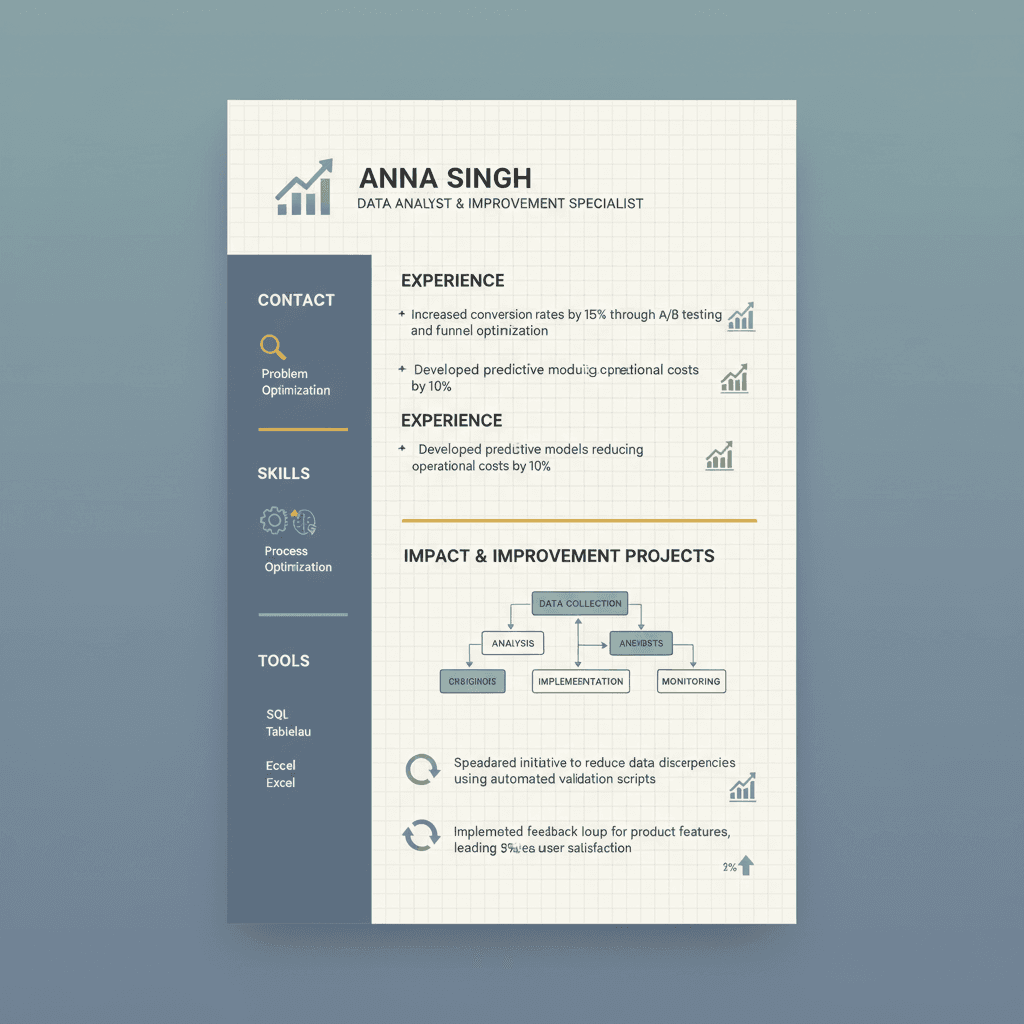
Resume Analysis: 9 Simple Expert Tips for Ultimate Improvement
Resume analysis boosts your job prospects with effective strategies for a standout, ATS-friendly resume. Learn the best methods to excel.
 Emily Johnson
Introduction
Key Takeaways
- Understanding data analytics can significantly enhance your resume's effectiveness.
- Tailoring resumes for ATS compatibility is essential for job application success.
- AI tools can optimize keywords and improve phrasing, similar to using a spell-checker.
As a career strategist, I've always emphasized the importance of a well-constructed resume. However, it wasn't until I began integrating data analytics into my process that I truly saw the potential for substantial improvement. A resume serves as a professional marketing document, and optimizing it for both human and machine readability is crucial.
Early in my career, I faced the dilemma that many job seekers encounter: creating a resume that not only impresses human eyes but also passes through complex Applicant Tracking Systems (ATS). By using AI to optimize for keywords and improve phrasing, job seekers can create documents that stand out in every sense. This modern approach is akin to using a spell-checker, enhancing both the resume's language and its compatibility with digital screening tools.
Sources
Learn how resume analysis can enhance your job prospects. Discover effective strategies for an ATS-friendly resume that stands out.
Understanding Data Analytics for Resumes
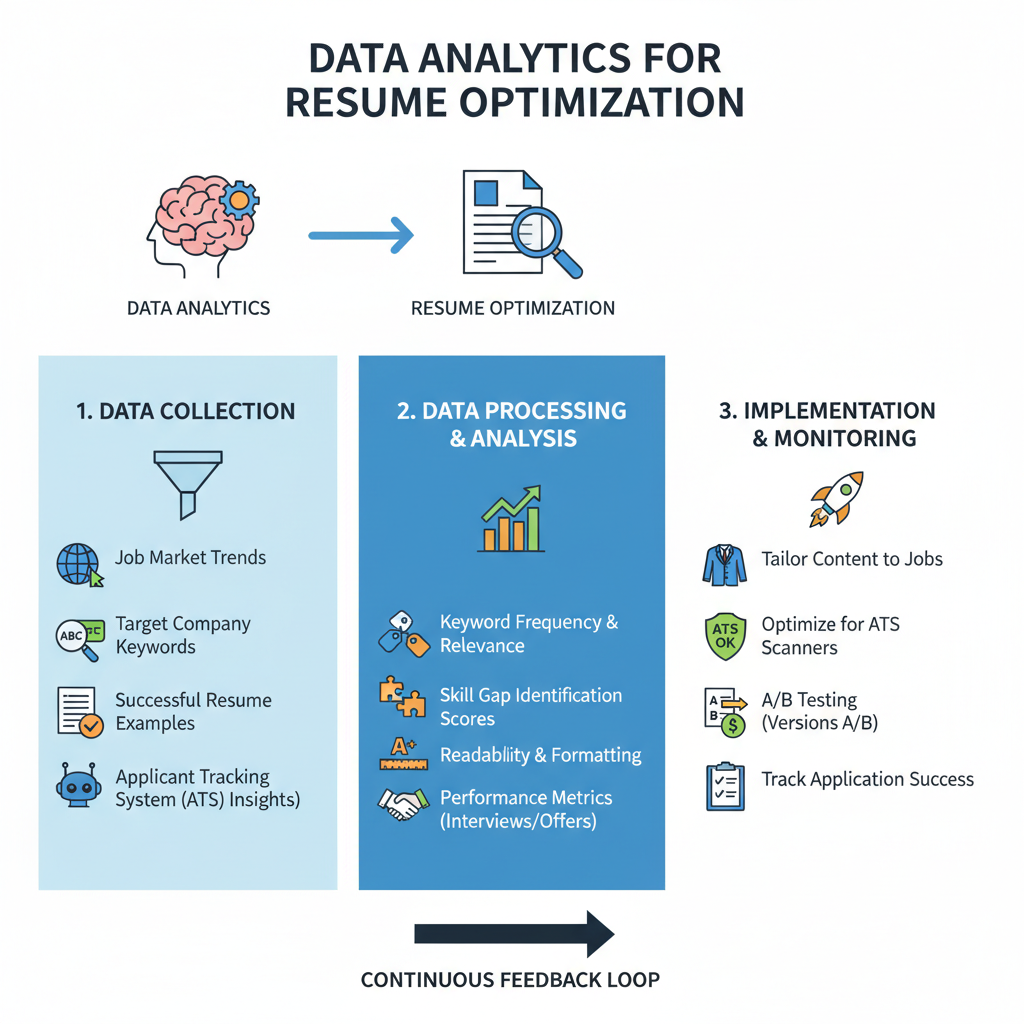
Data analytics has become a crucial tool in optimizing resumes for both human review and Applicant Tracking Systems (ATS). By leveraging data, job seekers can tailor their resumes to highlight the most relevant skills and experiences, increasing their chances of making it through the initial screening process.
The Role of Data in Resume Optimization
Data analytics helps in identifying the key terms and phrases that are most likely to catch the attention of both ATS and hiring managers. This involves analyzing successful resumes to determine common keywords and optimizing phrasing, similar to using a spell-checker or thesaurus. In fact, using AI to enhance keywords and improve phrasing is now considered a modern necessity.
Why Data Matters
With over 98% of Fortune 500 companies utilizing ATS to filter resumes, understanding how these systems work is essential. Data analytics provides insights into the keywords that are frequently flagged by ATS, allowing job seekers to adapt their resumes accordingly. This strategic use of data ensures that resumes are not only appealing but also ATS-friendly.
By integrating data analytics into your resume strategy, you can significantly enhance your document's effectiveness, ensuring it stands out in a competitive job market.
Sources
Navigating Applicant Tracking Systems
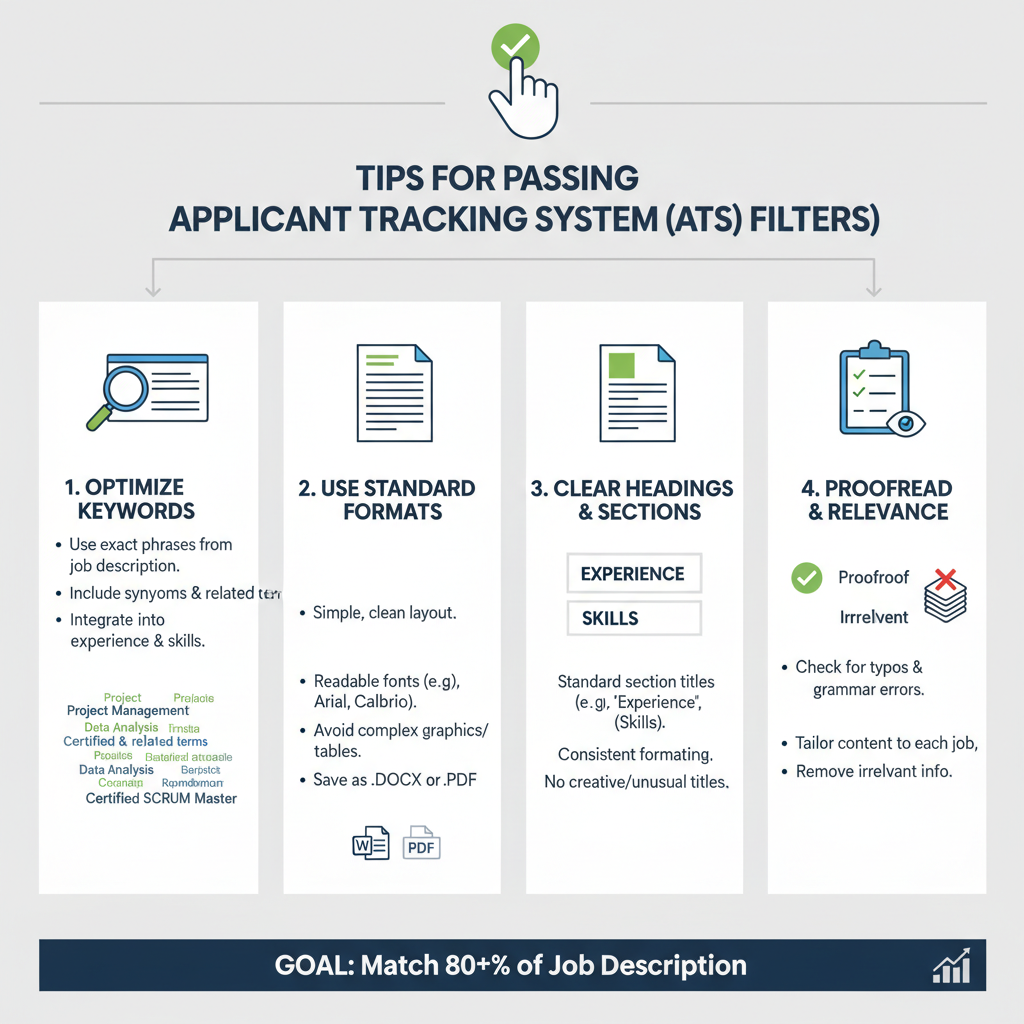
Applicant Tracking Systems (ATS) are a critical component of the modern hiring process. These systems help employers manage job applications by filtering resumes based on specific criteria, primarily keywords. Understanding how ATS functions and tailoring resumes accordingly can significantly increase a candidate's chances of getting noticed.
The Role of Keywords in ATS
Resumes need to be optimized with the right keywords to pass ATS filters effectively. By incorporating directly applicable keywords and matching language in your work experience bullet points, you can improve your resume's effectiveness. This practice ensures that your resume aligns with the job description, increasing the likelihood of passing through the ATS.
Data's Impact on Resume Tailoring
Data analytics can play a crucial role in tailoring resumes for ATS. By analyzing successful resumes and identifying patterns, job seekers can better understand which keywords and phrases are most effective. For instance, tools that offer user-friendly analysis reports can provide insights into optimizing resumes for both ATS and human readers.
Utilizing data-driven strategies can enhance the visibility of your resume, ensuring it stands out in the highly competitive job market. By combining keyword optimization with data insights, you can create a resume that not only passes ATS filters but also appeals to hiring managers.
Sources
Analyzing and Optimizing Keywords
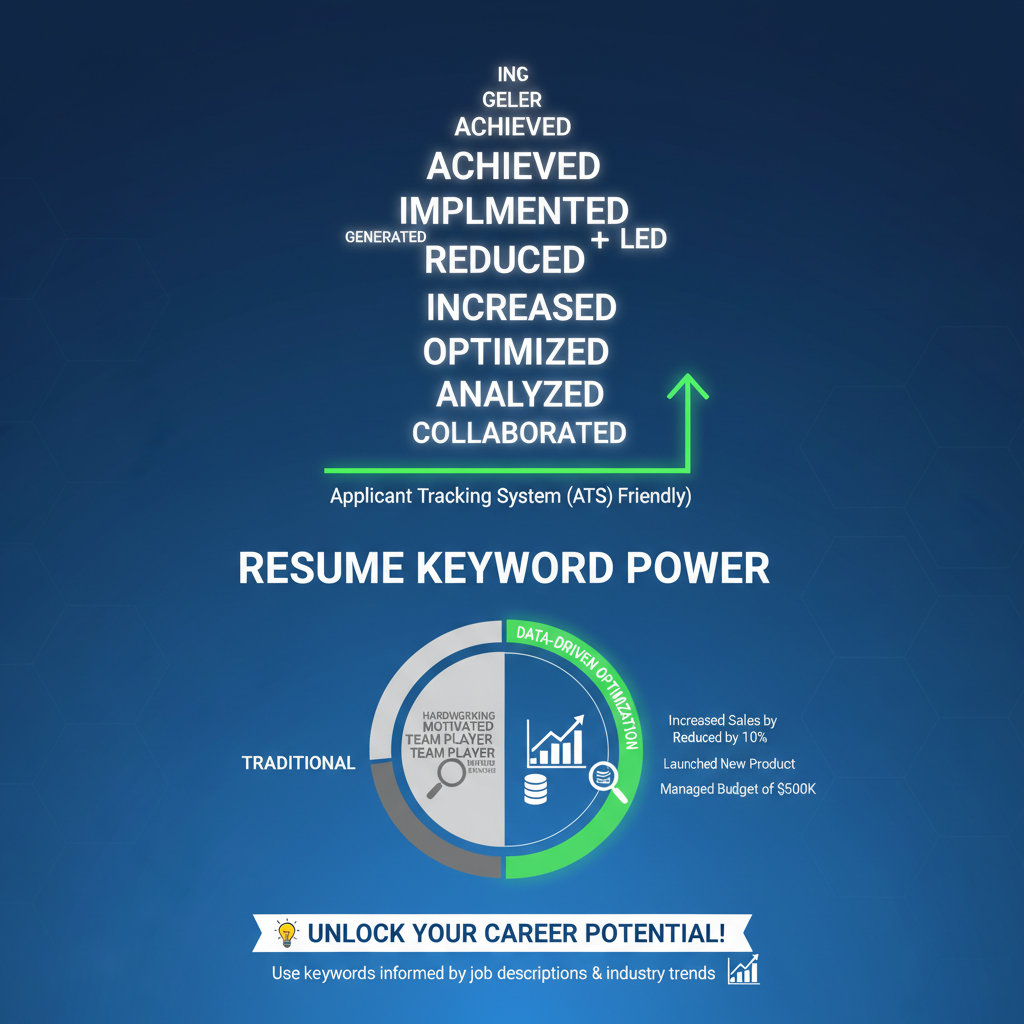
When it comes to resume analysis, effectively identifying and incorporating the right keywords is crucial. This process not only enhances the visibility of your resume in Applicant Tracking Systems (ATS) but also ensures it resonates with hiring managers. By leveraging data analytics, job seekers can uncover the most impactful keywords that align with specific job descriptions and industry standards.
The Importance of Relevant Keywords
Incorporating relevant keywords is essential for tailoring your resume to both ATS and human readers. Keywords should reflect the specific skills and experiences that match the job you are applying for. This approach increases the likelihood of your resume getting noticed and progressing to the next stage of the hiring process.
Using Data Analytics for Keyword Optimization
Data analytics can be a powerful tool in keyword optimization. By analyzing patterns from successful resumes, you can identify which words and phrases are frequently flagged by ATS systems. This insight allows you to adjust your resume content accordingly, ensuring it meets the requirements of both automated systems and hiring professionals.
Practical Steps for Keyword Integration
- Review Job Descriptions: Start by analyzing the job descriptions of positions you are interested in. Highlight the key skills and qualifications that are consistently mentioned.
- Incorporate Industry-Specific Terms: Use terms and jargon specific to your industry to demonstrate your familiarity and expertise.
- Focus on Achievements: Tailor your resume to highlight concrete achievements, which can help differentiate you from other candidates.
By thoughtfully integrating these strategies, you can enhance the effectiveness of your resume and improve your chances of securing an interview.
Sources
Enhancing Resume Format and Structure
A well-structured resume is crucial for making a strong first impression on recruiters and ensuring compatibility with Applicant Tracking Systems (ATS). Data insights can play a significant role in refining the format and structure of your resume. By understanding recruiter preferences and ATS requirements, you can improve your resume's effectiveness.
Using Data to Guide Layout Choices
Recruiters often favor resumes that are clean and concise. One study highlights that 73% of recruiters prefer a one-page layout with bullet-point achievements. This format makes it easier for both humans and machines to scan through your qualifications quickly. Ensuring a streamlined structure not only aids in readability but also aligns with ATS algorithms that prioritize clarity.
Optimizing for ATS Compatibility
To increase the likelihood of your resume passing through ATS filters, it's recommended to use common fonts and submit your resume as a Word document or PDF. Additionally, integrating relevant keywords from the job description can further enhance ATS compatibility. This strategic alignment between your resume's language and the job's requirements ensures that your document is both machine and human-friendly.
Structuring Work Experience Effectively
Organizing your work experience in reverse chronological order is a best practice that highlights your most recent and relevant roles. This approach allows recruiters to immediately identify your current qualifications and experience level, which is often a key decision factor in the hiring process.
By integrating these data-driven insights into your resume format and structure, you significantly increase your chances of capturing the attention of both ATS and recruiters.
Sources
Case Study: A Data-Driven Success Story
In the competitive job market, leveraging data analytics to enhance resume effectiveness can be a game-changer. Consider the case of a client whose visually appealing resume was consistently overlooked by Applicant Tracking Systems (ATS). By employing data-driven strategies, we transformed their resume into a tool that not only appealed to human recruiters but also navigated ATS filters successfully.
Initially, we analyzed industry-specific keywords that were frequently flagged by ATS. This analysis revealed patterns in successful resumes, allowing us to tailor the content more effectively. The focus was to align the resume's language with the job descriptions, ensuring compatibility with both ATS and recruiter expectations. As a result, the client's resume began to perform significantly better, leading to a noticeable increase in interview requests.
This case illustrates the profound impact that data analytics can have on resume success. By understanding and applying insights from data, job seekers can craft resumes that stand out in every sense, ultimately improving their job prospects.
Sources
Tools and Resources for Resume Analysis
In the pursuit of creating a standout resume, leveraging the right tools and resources is crucial. These tools not only help in crafting a professional document but also ensure that your resume is optimized for both human and AI scrutiny.
AI-Powered Resume Builders
AI-powered resume builders are becoming increasingly popular for their ability to tailor resumes to specific job openings. These tools help generate a starting resume and optimize existing ones, providing adaptability to various job descriptions. The use of AI ensures that your resume is not only polished but also aligned with the latest industry standards.
Evaluating Resume Builders
When selecting an AI resume builder, it's important to consider several key factors. This includes the tool's accuracy and relevance, design and layout capabilities, and its effectiveness in optimizing for Applicant Tracking Systems (ATS). Additionally, some builders offer extra features such as cover letter generators, which can be beneficial.
Tracking Job Applications
Tools like Teal offer features for tracking multiple job applications and provide a scoring system to match your resume with the job descriptions. This not only saves time but also enhances the precision of your job application process, ensuring that your resume aligns well with the job requirements.
By utilizing these tools, job seekers can significantly improve their resumes, making them more appealing to both recruiters and ATS algorithms. This strategic approach can lead to increased interview opportunities and, ultimately, job offers.
Sources
Conclusion
As we wrap up our discussion on resume analysis, it's clear that leveraging data analytics can significantly enhance your job prospects. By tailoring your resume to align with ATS requirements and ensuring that it resonates with recruiters, you increase your chances of landing interviews. This strategic approach not only involves customizing content for each job application but also optimizing keywords and phrasing with AI tools.
Reflecting on my own experience as a career strategist, I've witnessed firsthand the transformation that occurs when job seekers embrace these techniques. The success stories, like that of one client whose interview requests surged after a data-driven resume overhaul, underscore the effectiveness of this methodology. It's a testament to the power of integrating technology and analytics into traditional resume crafting.
I encourage you to apply these insights as you refine your resume. By doing so, you can create a document that not only captures the attention of hiring managers but also navigates the complex filters of ATS with ease.
Sources
Related reading: Employer Demands: 12 Essential Skills for the Best Career

Written by
Emily Johnson
Published February 24, 2026 · 10 min read
Emily Johnson is a seasoned career strategist with over a decade of experience in recruitment and talent acquisition. With a background in human resources, she excels at helping professionals refine their job search strategies, from crafting compelling resumes to mastering interview techniques. As an expert in Applicant Tracking Systems (ATS), Emily is dedicated to guiding individuals toward their dream careers.
Want this kind of read on your résumé?
We'll tell you what's actually working, what's holding you back, and what to fix — in plain English.
Get My Job Match ScoreYou Might Also Like
More articles to help you advance your career

Portfolio Building: 9 Essential Steps for Easy Success
Master portfolio building with 9 essential steps. Create professional portfolios that showcase your work and significantly boost your job prospects.
ATS Resume Tips: 9 Essential Steps for Stress-Free Success
Master ATS resume tips with 9 essential steps to optimize your resume, land more interviews, and stand out in today's competitive hiring process.