
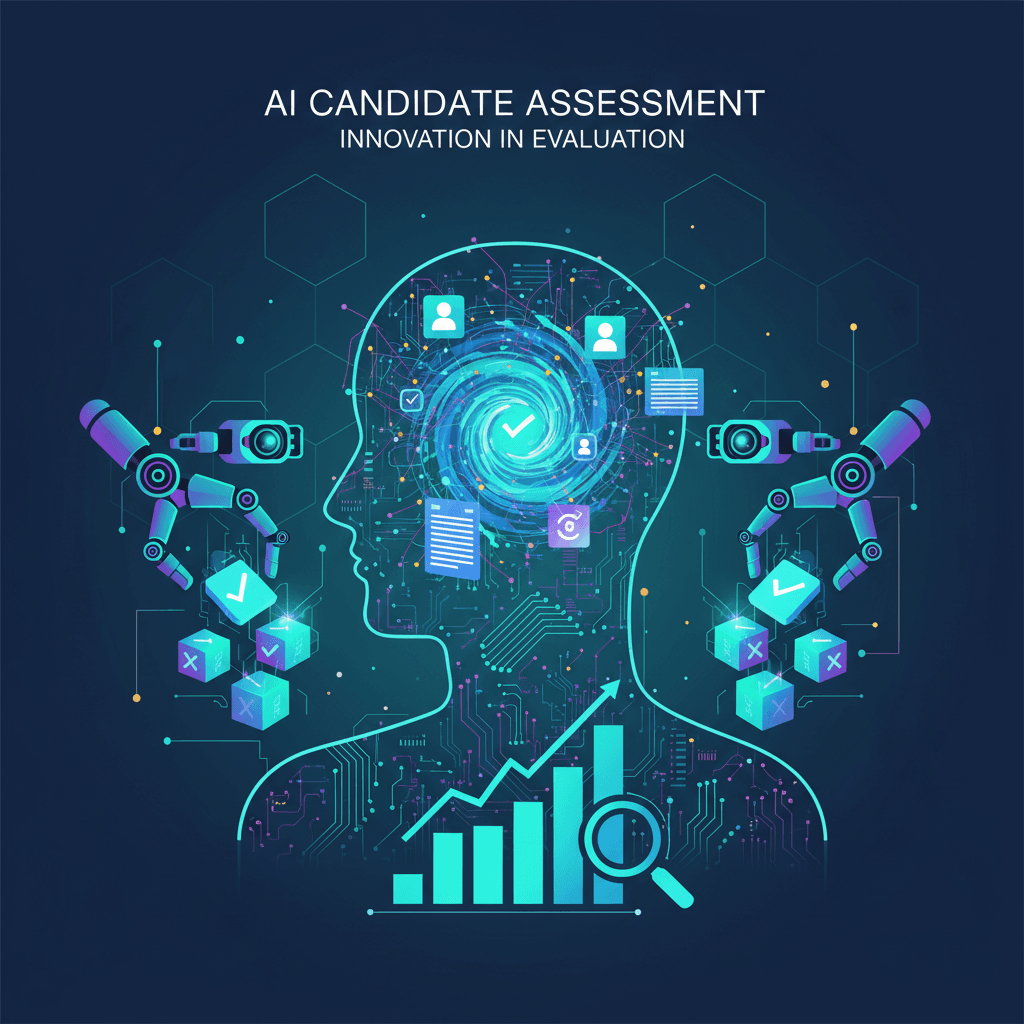
Algorithm Understanding: Best Practical Insights for AI Assessment
Master algorithm understanding with practical insights into AI assessment methods. Learn how algorithms enhance evaluations and drive better outcomes today.
 Emily Johnson
Introduction
Key Takeaways
- Algorithms serve as structured sets of rules that platforms use to filter and prioritize content, making them fundamental to modern digital systems
- Understanding how algorithms function empowers professionals to recognize their influence on decision-making processes and detect potential biases
- AI-driven evaluation methods are transforming assessment practices by applying algorithmic principles to candidate screening and performance analysis
- Gaining algorithm understanding enables organizations to make more informed technology-related decisions and optimize evaluation outcomes
- The intersection of algorithms and assessment represents a significant shift in how professionals approach talent evaluation and organizational effectiveness
The digital landscape operates on invisible frameworks that shape every interaction, recommendation, and decision we encounter online. At the heart of these systems lie algorithms—structured formulas that determine what content surfaces, which connections form, and how information flows through our professional and personal networks. An algorithm is essentially a set of rules or a formula that a platform uses to decide what content is shown to which users, filtering through billions of posts to serve what it thinks is most relevant.
In the context of candidate assessment and organizational evaluation, these algorithmic principles have evolved beyond simple content filtering. Modern AI-driven systems now apply sophisticated rule-based frameworks to analyze qualifications, predict performance, and streamline hiring processes. This transformation has fundamentally altered how organizations identify talent and make critical personnel decisions.
Understanding algorithms helps individuals recognize their influence on online experiences, detect biases, and make informed technology-related decisions. For HR professionals, recruiters, and organizational leaders, this knowledge becomes particularly valuable when implementing AI-powered assessment tools. Recognizing how these systems process information, weigh variables, and generate recommendations enables more strategic deployment and more effective oversight.
The significance of algorithm understanding extends beyond technical comprehension. As AI assessment tools become increasingly prevalent, professionals must grasp not only what these systems do but also their limitations, potential biases, and appropriate applications. This foundational knowledge ensures that technology enhances rather than replaces human judgment in evaluation processes.
This article explores the essential practical insights surrounding AI algorithms in assessment contexts. We examine how these systems function, their real-world applications, the benefits they deliver, and the challenges organizations face when implementing them. Whether you're considering AI-powered assessment tools or seeking to optimize existing systems, understanding the algorithmic foundations will prove invaluable for driving better evaluation outcomes.
Sources
Understanding AI Algorithms in Assessment

At its core, an algorithm is a set of instructions designed to carry out a specific task or solve a problem. Think of it as a recipe or a map—a fairly precise list of steps to accomplish a specified goal. In the context of candidate assessment, algorithms process data, identify patterns, and generate insights that help organizations evaluate talent more effectively.
When applied to assessment, these instruction sets enable systems to analyze responses, behaviors, and performance metrics at scale. They filter through large volumes of information to surface what is most relevant, much like how platforms decide which content to show users. This capability transforms how evaluations are conducted, moving from purely manual review to data-driven analysis.
The Role of Algorithm Understanding in Modern Assessment
Grasping how algorithms function is essential for professionals implementing AI-driven evaluation tools. Understanding the underlying logic allows teams to design better assessments, interpret results accurately, and ensure fairness in the selection process. Without this foundational knowledge, organizations risk applying technology without comprehending its impact on candidates and outcomes.
Algorithms in assessment typically follow defined rules to process candidate data. They may score responses, compare performance against benchmarks, or predict future success based on historical patterns. The precision of these instructions determines the reliability and validity of the assessment results.
Key Components of Assessment Algorithms
Effective assessment algorithms rely on several fundamental elements:
- Input data: Information gathered from candidates, including responses, test scores, and behavioral indicators
- Processing rules: The specific instructions that analyze and transform raw data into meaningful insights
- Output metrics: Scores, rankings, or recommendations generated to support decision-making
- Feedback loops: Mechanisms that allow the algorithm to improve over time based on new data
Each component must be carefully designed and validated to ensure the algorithm serves its intended purpose. When these elements work together seamlessly, assessment systems can deliver consistent, objective evaluations that enhance the candidate experience while supporting organizational goals.
Sources
Benefits of AI in Candidate Assessment

AI algorithms are transforming how organizations evaluate candidates by introducing capabilities that traditional assessment methods struggle to match. These systems process large volumes of candidate data with remarkable speed, enabling hiring teams to focus on strategic decision-making rather than manual screening tasks. The shift toward algorithm-driven evaluation represents a fundamental change in how organizations approach talent acquisition.
Enhanced Efficiency and Scale
One of the most compelling advantages of AI in candidate assessment is the dramatic improvement in processing efficiency. Organizations can now evaluate hundreds or thousands of applications in the time it would take to manually review a handful. This scalability allows companies to expand their talent pools without proportionally increasing administrative burden.
AI systems operate continuously without fatigue, maintaining consistent evaluation standards across all candidates regardless of volume or timing. This operational efficiency translates directly into faster hiring cycles and reduced time-to-fill for critical positions.
Improved Objectivity in Evaluation
AI algorithms apply predetermined criteria uniformly across all candidates, reducing the influence of unconscious bias that can affect human evaluators. By focusing on job-relevant competencies and qualifications, these systems help create a more level playing field for all applicants.
The technology evaluates candidates based on data-driven patterns rather than subjective impressions. This approach supports more defensible hiring decisions and helps organizations build diverse, merit-based teams. While algorithm understanding remains essential for proper implementation, the objectivity benefits are significant when systems are properly calibrated.
Data-Driven Insights and Predictive Capabilities
Beyond basic screening, AI algorithms generate valuable insights about candidate potential and fit. These systems can identify patterns in successful employee profiles and apply those learnings to new candidate evaluations. Organizations gain access to predictive analytics that inform not just hiring decisions but also workforce planning strategies.
The ability to analyze qualitative and quantitative data simultaneously gives hiring teams a more complete picture of each candidate. Modern AI systems can conduct structured evaluations at speeds and volumes that traditional approaches cannot achieve, enabling deeper analysis without sacrificing efficiency.
Cost Reduction and Resource Optimization
Implementing AI-driven assessment tools typically results in substantial cost savings over time. Organizations reduce expenses associated with manual screening, decrease reliance on external recruiting services, and minimize costs related to poor hiring decisions. The technology allows existing HR teams to handle larger candidate volumes without proportional staff increases.
Resource optimization extends beyond direct financial savings. Hiring managers and recruiters can redirect their time toward high-value activities like candidate engagement, relationship building, and strategic talent planning rather than administrative tasks.
Sources
How AI Algorithms Work in Assessments
AI algorithms transform raw candidate data into actionable insights through systematic data processing and decision-making frameworks. At their core, these algorithms analyze inputs—such as responses, behaviors, and performance metrics—to generate evaluations that support hiring and assessment decisions.
Data Collection and Input Processing
The assessment process begins with data collection. AI systems gather structured and unstructured data from various sources, including test responses, video interviews, work samples, and historical performance records. This information is standardized and prepared for analysis, ensuring consistency across all candidates.
Once collected, the data undergoes preprocessing. Algorithms clean, normalize, and format the inputs to remove inconsistencies and prepare them for evaluation. This step is critical for maintaining fairness and accuracy throughout the assessment pipeline.
Weighting and Decision-Making Logic
When creating an algorithm to make decisions, consider the importance of different inputs and assign weights accordingly. AI assessment systems apply predetermined weights to various factors based on their relevance to the role or competency being evaluated. For example, technical skills might receive higher weighting for engineering positions, while communication abilities could be prioritized for client-facing roles.
The algorithm processes these weighted inputs through mathematical models that calculate scores, identify patterns, and flag candidates who meet specific criteria. This automated decision-making reduces subjective bias and accelerates the evaluation process.
Pattern Recognition and Algorithm Understanding
Advanced AI algorithms employ pattern recognition techniques to identify characteristics associated with successful performance. By analyzing historical data from previous hires, these systems learn which combinations of traits correlate with positive outcomes.
Understanding algorithms allows individuals to tailor them for personal use, rather than being influenced solely by their creators. Organizations that invest in algorithm understanding can customize their assessment frameworks to align with unique organizational values and performance indicators, creating more relevant and effective evaluation tools.
Output Generation and Scoring
The final stage involves generating outputs—typically scores, rankings, or recommendations. These results are presented to hiring managers or assessment professionals, who use them to inform their decisions. Transparent reporting mechanisms help stakeholders understand how conclusions were reached, building trust in the AI-driven process.
Sources
Real-World Applications of AI Algorithms
AI algorithms have moved beyond theoretical frameworks into practical deployment across multiple sectors. Organizations are leveraging these technologies to transform how they evaluate candidates, conduct research, and make data-driven decisions.
Algorithm Understanding in Personalized Experiences
Machine learning algorithms demonstrate their adaptability through real-world applications that continuously improve from user interactions. These systems analyze patterns in behavior and preferences to deliver increasingly accurate results over time. The technology learns from each interaction, refining its predictions and recommendations to better serve user needs.
This adaptive capability extends to assessment environments where algorithms process candidate responses, identify skill patterns, and adjust evaluation parameters based on accumulated data. The continuous learning cycle enables more nuanced understanding of candidate capabilities beyond static testing methods.
AI-Powered Qualitative Research
Companies are now using AI moderators to conduct in-depth interviews with real people at a speed and volume that traditional methods can't achieve. This application represents a significant shift in how organizations gather qualitative insights, particularly in understanding candidate motivations, communication styles, and cultural fit.
These AI-driven interview systems can engage multiple candidates simultaneously while maintaining conversational depth. They analyze verbal and written responses in real time, identifying themes and patterns that human reviewers might miss across large candidate pools. The technology enables organizations to scale personalized assessment without sacrificing the richness of one-on-one evaluation.
Scaling Assessment Across Industries
Various sectors have implemented algorithmic assessment tools to handle high-volume recruitment and evaluation needs. Technology companies use AI to screen technical candidates through automated coding challenges that adapt difficulty based on performance. Healthcare organizations deploy algorithms to assess clinical reasoning through scenario-based simulations.
Financial services firms leverage AI to evaluate risk assessment capabilities and decision-making patterns in potential hires. Educational institutions apply algorithmic systems to measure learning outcomes and identify students who may benefit from additional support. Each application demonstrates how algorithm understanding translates into practical tools that enhance evaluation accuracy while reducing time-to-decision.
Sources
Challenges and Considerations in AI Assessment

While AI algorithms offer powerful capabilities for candidate assessment, organizations must navigate significant challenges to implement them responsibly. Algorithm understanding requires acknowledging both technical limitations and ethical implications that can impact assessment outcomes.
Algorithmic Bias and Fairness Concerns
One of the most pressing challenges involves ensuring AI assessment systems remain fair and unbiased. Algorithms trained on historical data may inadvertently perpetuate existing biases present in that data. This can lead to discriminatory outcomes that disadvantage certain demographic groups, even when bias was never intentionally programmed.
Organizations must implement rigorous testing protocols to identify and mitigate bias before deployment. Regular audits of assessment outcomes across different populations help ensure fairness remains consistent over time.
Transparency and Explainability Requirements
Many AI algorithms operate as "black boxes," making decisions through complex processes that are difficult to interpret. This lack of transparency creates challenges when candidates or stakeholders request explanations for assessment results.
Regulatory frameworks increasingly demand that organizations provide clear explanations of how algorithmic decisions are made. Building explainable AI systems requires additional development effort but is essential for maintaining trust and compliance.
Data Privacy and Security Considerations
AI assessment systems process sensitive personal information, creating substantial privacy obligations. Organizations must ensure robust data protection measures are in place to prevent unauthorized access or breaches. Compliance with regulations governing personal data adds complexity to system design and maintenance.
Candidates also have legitimate concerns about how their information is used, stored, and shared. Clear privacy policies and consent mechanisms are essential for ethical AI assessment practices.
Content Quality and Algorithmic Expectations
Brands must offer thoughtful, helpful, and timely content to remain visible, as users are expected to unfollow or mute accounts that feel repetitive or intrusive. This principle applies equally to AI assessment systems, which must provide value to candidates rather than creating frustrating or opaque experiences.
Create content that rewards time investment, such as educational carousels and data-backed analysis, to achieve higher engagement. Similarly, assessment experiences should be designed to provide meaningful feedback and clear value to participants.
Technical Limitations and Validation Needs
AI algorithms require extensive validation to ensure they accurately measure the competencies they claim to assess. Technical limitations in natural language processing, pattern recognition, or predictive modeling can lead to assessment errors that impact candidate outcomes.
Continuous monitoring and validation against established benchmarks help identify when algorithm performance degrades or becomes unreliable. Organizations must be prepared to intervene with human oversight when automated systems produce questionable results.
Sources
The Future of AI in Candidate Assessment
The landscape of candidate assessment is evolving rapidly as organizations seek more sophisticated and efficient evaluation methods. Emerging trends point toward systems that can deliver deeper insights while maintaining fairness and transparency throughout the hiring process.
Enhanced Algorithm Understanding and Transparency
Future developments will prioritize making assessment systems more interpretable for both recruiters and candidates. Organizations are moving toward solutions that clearly explain how evaluations are conducted and what factors influence outcomes. This shift addresses growing demands for accountability in automated decision-making processes.
As these systems mature, they will incorporate more nuanced evaluation criteria that go beyond traditional metrics. The focus will expand to capture soft skills, cultural alignment, and potential for growth in ways that current methods cannot fully measure.
Adaptive and Personalized Assessment Experiences
Next-generation platforms will dynamically adjust to individual candidates, creating tailored evaluation experiences based on role requirements and candidate responses. These adaptive systems will reduce assessment fatigue while gathering more meaningful data about capabilities and fit.
Implementation of these advanced systems will require clear frameworks. Best practices suggest that successful deployment depends on defined roles, established scope of authority, approved sources of truth, and clear escalation rules for edge cases.
Integration of Multimodal Evaluation Methods
Future assessment tools will combine multiple data sources—including behavioral analysis, skills demonstrations, and contextual information—to build comprehensive candidate profiles. This holistic approach will provide hiring teams with richer insights than any single evaluation method can offer.
The challenge will be balancing sophistication with usability, ensuring that advanced capabilities enhance rather than complicate the hiring process. Organizations that successfully navigate this balance will gain competitive advantages in talent acquisition.
Sources
Conclusion
Algorithm understanding has emerged as a critical competency in modern assessment practices. Throughout this article, we've explored how AI algorithms transform candidate evaluation through data-driven insights, pattern recognition, and scalable analysis. These systems process vast amounts of information to identify relevant signals that human evaluators might overlook, while simultaneously reducing time-to-decision and improving consistency across evaluations.
The benefits of AI-powered assessment extend beyond efficiency gains. Organizations leveraging these technologies report enhanced objectivity, reduced unconscious bias, and better candidate experiences through faster feedback loops. However, success requires careful attention to algorithmic transparency, data quality, and ongoing validation to ensure fair and accurate outcomes.
As we look ahead, the landscape of AI in assessment continues to evolve. Understanding how algorithms filter and prioritize information—whether in candidate screening or broader decision-making contexts—empowers professionals to make more informed technology choices and recognize potential limitations. The key lies not in replacing human judgment, but in augmenting it with intelligent systems that handle repetitive analysis while preserving the nuanced evaluation that experienced assessors provide.
By embracing algorithm understanding as both a technical skill and a strategic imperative, organizations position themselves to harness AI's full potential while maintaining ethical standards and candidate trust in their assessment processes.
Sources

Written by
Emily Johnson
Published April 15, 2026 · 15 min read
Emily Johnson is a seasoned career strategist with over a decade of experience in recruitment and talent acquisition. With a background in human resources, she excels at helping professionals refine their job search strategies, from crafting compelling resumes to mastering interview techniques. As an expert in Applicant Tracking Systems (ATS), Emily is dedicated to guiding individuals toward their dream careers.
Want this kind of read on your résumé?
We'll tell you what's actually working, what's holding you back, and what to fix — in plain English.
Get My Job Match ScoreYou Might Also Like
More articles to help you advance your career
ATS Myths: Surprising Practical Misconceptions Debunked
Discover the truth about ATS myths and learn how applicant tracking systems really work with our practical guide to common misconceptions and realities.

Project Manager Resume Template: 12 Surprising Practical Tips
Master your project manager resume template with 12 surprising practical tips. Learn proven strategies to craft a standout application that gets results.

Data Analyst Resume Template: 12 Surprising Practical Tips
Discover why a generic data analyst resume template won't work and learn 12 surprising, practical tips to tailor your resume for career success.

Role Targeted Resume: Best Expert Guide for Job Applications
Master the role targeted resume approach to enhance your job applications. Learn expert strategies to optimize resumes for specific roles and industries.