
Employer Demands: 12 Essential Skills for the Best Career
Discover what employer demands mean for 2026. Learn the 12 essential skills to stay competitive and build the best career in today's job market.
 Emily Johnson
Introduction
Key Takeaways
- Employer demands are shifting from purely technical expertise to a blend of digital literacy, emotional intelligence, and adaptability
- The 2026 job market requires professionals to demonstrate skills through specific examples and quantifiable outcomes
- Continuous learning and strategic skill development are essential for staying competitive
- Understanding how to showcase these evolving skills on your resume can significantly improve your job prospects
Navigating the evolving job market is a journey I've been on for over a decade, and recently, I've been particularly focused on what 2026 holds in terms of top skills employers are looking for. A few months ago, I had the opportunity to lead a workshop on future job market skills, and it was enlightening to dive into the trends shaping employer demands.
The landscape of what employers want is transforming rapidly. The skills that stood out were digital literacy, emotional intelligence, and adaptability. It's no longer just about technical expertise; employers are prioritizing candidates who can navigate digital tools with ease, communicate effectively, and adapt swiftly to change.
This shift reflects a fundamental change in how work gets done. Remote collaboration, digital transformation, and constant industry evolution mean that the professionals who thrive are those who can learn quickly and apply new skills across different contexts. The traditional resume filled with technical certifications alone won't cut it anymore.
Incorporating these skills into your resume isn't just about listing them under a skills section. It's about demonstrating them through your experiences. For instance, highlighting a project where you used digital tools to improve team efficiency or instances where your emotional intelligence helped resolve conflicts can make your resume stand out.
In this guide, we'll explore the twelve essential skills that define employer demands for 2026. You'll learn not only what these skills are, but how to develop them and showcase them effectively to hiring managers. Whether you're entering the job market for the first time or looking to advance your career, understanding these trends will position you as a valuable asset to any organization.
Let's dive into what the future of work really looks like and how you can prepare today for tomorrow's opportunities.
Understanding the 2026 Employer Landscape
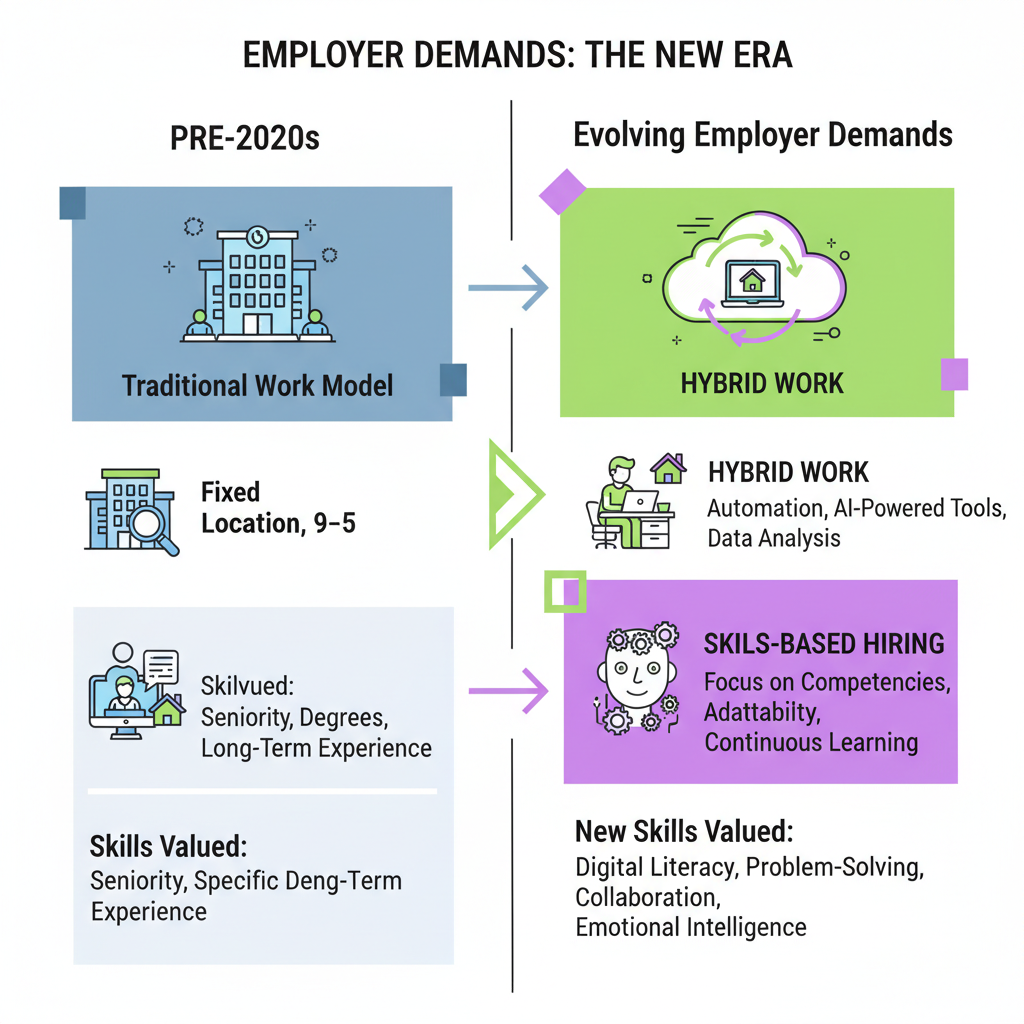
The job market has transformed dramatically since 2020, and by 2026, employer demands reflect a fundamental shift in how organizations evaluate and hire talent. Understanding these changes is essential for anyone looking to remain competitive in today's evolving workplace.
The Rise of Skills-Based Hiring
One of the most significant shifts in employer demands is the move away from credential-based hiring toward skills-based evaluation. Research shows that a substantial majority of employers now prioritize what candidates can actually do over traditional credentials like degrees or certifications.
This transition means that your ability to demonstrate practical competencies matters more than ever. Employers are looking for evidence of applied skills rather than relying solely on educational background or years of experience. The focus has shifted to tangible capabilities that directly contribute to organizational success.
Hybrid Work as the New Standard
Remote and hybrid work models, which emerged as emergency measures during the pandemic, have become permanent fixtures of the modern workplace. By 2026, employers expect candidates to thrive in flexible work environments that blend in-office collaboration with remote productivity.
This permanence of hybrid work has created new employer demands around self-management, digital communication, and the ability to maintain productivity across different settings. Job seekers who can demonstrate comfort and effectiveness in both physical and virtual workspaces have a distinct advantage.
AI Integration Across Industries
Artificial intelligence has moved from a specialized tool to an everyday workplace reality. Employers across industries now expect candidates to work alongside AI systems, whether that means using AI-powered analytics tools, collaborating with automated systems, or understanding how to leverage machine learning insights.
The integration of AI into daily workflows means that employer demands now include a baseline comfort with technology that adapts and learns. Candidates who view AI as a collaborative tool rather than a threat position themselves as forward-thinking professionals ready for 2026 and beyond.
Automated Screening and ATS Systems
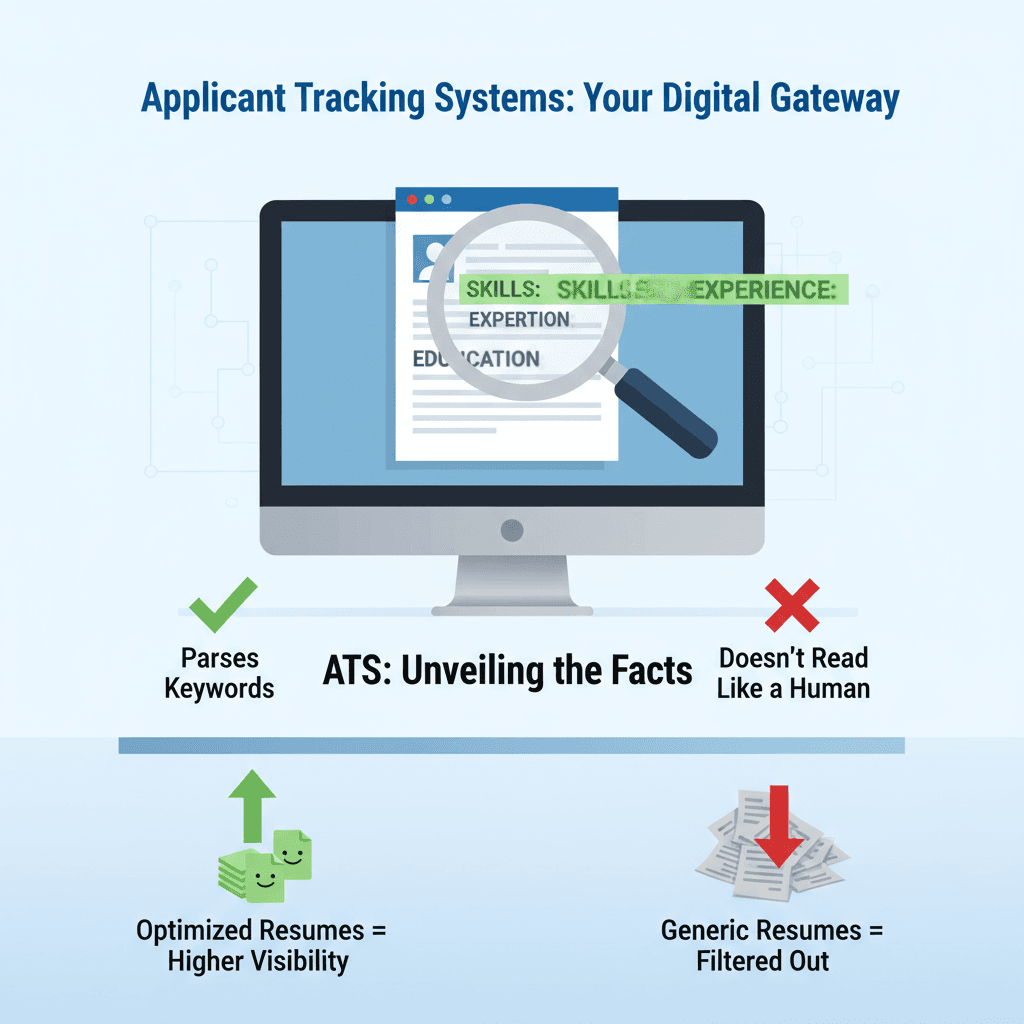
Most applications now pass through automated screening systems before reaching human reviewers. These Applicant Tracking Systems scan resumes for specific skills, keywords, and qualifications that match job requirements.
Understanding how these systems work is crucial for job seekers. Your resume must be optimized not just for human readers but also for the algorithms that conduct initial screening. This reality has made strategic resume writing more important than ever in meeting employer demands.
What This Means for Job Seekers
The 2026 employer landscape rewards professionals who can adapt quickly, demonstrate practical skills, and navigate technology-enabled workplaces. Traditional career paths based solely on credentials are giving way to dynamic trajectories built on continuous skill development and proven capabilities.
To succeed in this environment, focus on building a portfolio of demonstrable skills, staying current with workplace technology, and presenting your qualifications in ways that resonate with both automated systems and human hiring managers. The job market skills that matter most are those you can prove you possess through concrete examples and measurable outcomes.
Sources
- Job Search Tips & Advice for 2026: Smarter Strategies to Find a Job
- Skills You Should Learn in 2026 to Get Hired Faster
Digital Literacy and Tech Fluency
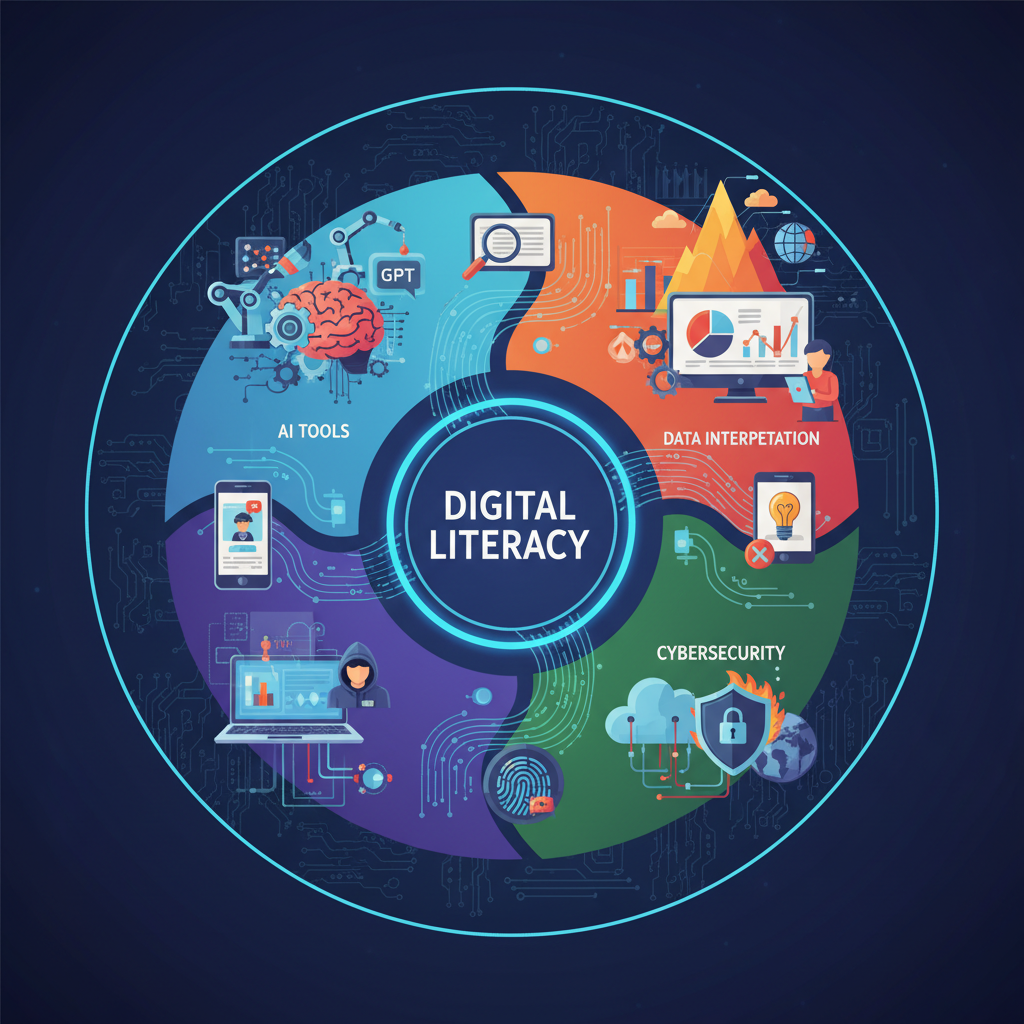
Digital literacy in 2026 means far more than knowing how to use Microsoft Office or navigate email. Today's employer demands require professionals who can seamlessly integrate emerging technologies into their daily workflows, interpret complex data sets, and maintain security awareness across multiple platforms.
The modern workplace expects you to quickly adapt to new software, understand AI-assisted tools, and leverage digital platforms to enhance productivity. This shift reflects how technology has become embedded in virtually every role, from marketing to manufacturing.
Beyond Basic Software Skills
True digital fluency encompasses several interconnected capabilities. You need to navigate AI tools that automate routine tasks, interpret data visualizations to inform decisions, understand basic cybersecurity principles to protect sensitive information, and switch between platforms without losing efficiency.
Employers increasingly value candidates who demonstrate comfort with technology rather than mastery of one specific tool. The ability to learn new systems quickly often matters more than expertise in any single platform.
AI Tool Navigation and Integration
Artificial intelligence tools are reshaping how work gets done. Professionals who can effectively prompt AI assistants, evaluate AI-generated outputs for accuracy, and integrate these tools into existing workflows stand out in today's job market.
This doesn't require programming knowledge. Instead, focus on understanding how AI can augment your work, when to rely on it, and when human judgment remains essential.
Data Interpretation Skills
Even non-technical roles now involve working with data. You might need to read analytics dashboards, understand basic metrics, or translate data insights into actionable recommendations for your team.
Developing comfort with data visualization tools and basic analytical thinking helps you contribute more strategically to business objectives.
Cybersecurity Awareness
With remote work and cloud-based systems becoming standard, security awareness has become everyone's responsibility. Understanding phishing risks, password hygiene, secure file sharing, and data privacy principles protects both you and your organization.
Employers value team members who take security seriously and follow best practices without constant reminders.
Platform Agility
The average professional now uses multiple communication platforms, project management tools, and collaboration software. Your ability to quickly learn new systems and adapt your workflow across different environments demonstrates valuable flexibility.
This agility signals to employers that you won't struggle when the organization adopts new technology or shifts to different platforms.
Demonstrating Digital Literacy on Your Resume
Rather than simply listing software names, show how you've applied digital skills to achieve results. Describe projects where you implemented new tools, improved processes through technology, or trained others on digital platforms.
Use specific examples that highlight outcomes. Instead of "Proficient in data analysis tools," write "Analyzed customer data using visualization dashboards to identify trends that informed product development strategy."
When describing technical skills, focus on the business impact rather than the tools themselves. Employers care more about what you accomplished than which specific software you used.
Include any relevant certifications or training that demonstrate your commitment to staying current with technology trends. This shows you actively invest in developing your digital capabilities.
Sources
- 75+ Skills to Put on Resume in 2026: What Recruiters Actually Look For
- Job Market Trends in 2026: What Professionals Must Know
Emotional Intelligence and Interpersonal Skills

Emotional intelligence has evolved from a nice-to-have trait to a critical competency that employers actively seek in 2026. As workplaces become more diverse and hybrid communication models become standard, the ability to understand and manage emotions—both your own and others'—directly impacts team performance and organizational culture.
Understanding the emotions of others is essential for effective engagement with coworkers, managers, and direct reports. This skill enables professionals to navigate complex interpersonal dynamics, resolve conflicts constructively, and build the psychological safety that high-performing teams require.
Why Emotional Intelligence Matters in 2026
The modern workplace demands professionals who can manage diverse teams across different locations, time zones, and cultural backgrounds. Hybrid and remote work environments amplify the need for strong interpersonal skills because traditional face-to-face cues are often absent.
Conflict resolution has become more nuanced in distributed teams. Professionals who can identify tension early, facilitate difficult conversations, and find collaborative solutions help organizations maintain productivity and morale. Building psychological safety—where team members feel comfortable sharing ideas and admitting mistakes—requires consistent demonstration of empathy and active listening.
Demonstrating Emotional Intelligence on Your Resume
Soft skills focusing on interpersonal abilities and emotional intelligence are transferable across industries and equally important as technical competencies. When showcasing these skills on your resume, move beyond simply listing "emotional intelligence" in a skills section.
Instead, demonstrate these capabilities through concrete examples:
- Leadership contexts: "Facilitated weekly team retrospectives that improved cross-functional collaboration and reduced project delivery time"
- Conflict resolution: "Mediated stakeholder disagreements by identifying common goals and developing consensus-driven solutions"
- Team development: "Mentored junior team members through regular one-on-one sessions, resulting in improved performance and retention"
- Change management: "Led organizational transition by addressing team concerns and maintaining morale during restructuring"
Practical Application Strategies
When describing your experience, focus on outcomes that demonstrate emotional intelligence in action. Highlight situations where you recognized team dynamics, adapted your communication style, or created inclusive environments.
Use action verbs that convey interpersonal competence: facilitated, mentored, collaborated, mediated, coached, or influenced. Pair these with specific contexts that show your ability to navigate complex human dynamics in professional settings.
For hybrid work environments, emphasize your ability to build relationships remotely, maintain team cohesion across digital platforms, and communicate effectively through various channels. These capabilities signal to employers that you can thrive in the flexible work models that define 2026 workplaces.
Sources
Adaptability and Continuous Learning
Rapid industry changes have made adaptability one of the most sought-after qualities in today's workforce. Employers are no longer looking for professionals who simply excel at current tasks; they need people who can pivot quickly when markets shift, technologies evolve, or business models transform. The ability to embrace change and learn new skills on demand has become a defining characteristic of successful careers.
The pace of change means that what you learned in school or even last year may already be outdated. Professionals who demonstrate a commitment to continuous learning signal to employers that they won't become obsolete. This mindset is especially critical as automation handles routine tasks, leaving humans to tackle complex, evolving challenges that require fresh thinking and updated knowledge.
Microlearning and Skill Stacking
Microlearning has emerged as a practical approach to staying current without overwhelming your schedule. Instead of committing to lengthy degree programs, professionals are taking short online courses, attending webinars, and earning micro-credentials in targeted areas. This approach allows you to build skills incrementally and apply them immediately in your work.
Skill stacking—combining multiple complementary skills—creates unique value propositions. For example, a marketing professional who adds data analytics and basic coding skills becomes far more versatile than someone with marketing expertise alone. This combination of abilities makes you adaptable across different projects and roles.
Cross-Functional Experience
Cross-functional experience demonstrates adaptability in action. When you've worked across departments or taken on projects outside your core role, you show employers that you can understand different perspectives and contribute beyond narrow job descriptions. This breadth of experience is increasingly valuable as organizations flatten hierarchies and expect employees to collaborate across traditional boundaries.
Volunteering for projects in adjacent departments, participating in company-wide initiatives, or taking temporary assignments in different areas all build this cross-functional capability. These experiences also expose you to diverse working styles and problem-solving approaches, further enhancing your adaptability.
Demonstrating Growth Mindset on Your Resume
Your resume should clearly communicate your commitment to continuous learning and adaptability. Rather than simply listing skills, show how you've acquired and applied new capabilities. Include specific examples of times you learned something new to solve a problem or adapted to significant changes.
Consider phrases like "quickly mastered new project management software to streamline team workflows" or "adapted communication strategies for remote team environment, maintaining productivity during transition." These statements show both the learning process and the practical outcome.
Highlight any certifications, courses, or training programs you've completed, especially recent ones. This demonstrates ongoing investment in your professional development. If you've pivoted roles or industries successfully, frame those transitions as evidence of your adaptability rather than career uncertainty.
Building Resilience Through Change
Adaptability isn't just about learning new skills; it's also about maintaining effectiveness during uncertainty. Employers value professionals who remain productive and positive when facing organizational changes, market disruptions, or unexpected challenges. This resilience comes from experience navigating change successfully.
When describing past roles, include examples of how you've handled transitions, whether that's implementing new systems, adjusting to leadership changes, or responding to market shifts. These concrete examples prove your ability to thrive in dynamic environments rather than simply claiming you're adaptable.
Critical Thinking and Problem-Solving
As automation increasingly handles routine tasks, employers are placing a premium on professionals who can think critically, solve complex problems creatively, and approach challenges with strategic insight. These cognitive skills represent the human advantage in an AI-augmented workplace—the ability to analyze ambiguous situations, synthesize information from multiple sources, and develop innovative solutions that machines cannot replicate.
Critical thinking involves evaluating information objectively, questioning assumptions, and making reasoned judgments. In practice, this means distinguishing between correlation and causation, identifying biases in data, and recognizing when conventional approaches may no longer apply. Employers value candidates who can move beyond surface-level analysis to uncover root causes and systemic issues.
Problem-solving extends beyond identifying issues to developing actionable solutions. The most effective problem-solvers combine analytical rigor with creative thinking, exploring multiple pathways before selecting the optimal approach. They consider constraints, anticipate unintended consequences, and adapt their strategies based on feedback and changing conditions.
Demonstrating These Skills Through Achievements
When showcasing critical thinking and problem-solving abilities on your resume, focus on quantifiable achievements that illustrate your analytical process and impact. Rather than simply listing these skills, demonstrate them through concrete examples that follow a clear framework.
Structure your accomplishments using the challenge-action-result approach. Begin by briefly describing the problem or opportunity you identified, then explain the analytical methods or creative approaches you employed, and conclude with measurable outcomes. For instance, instead of stating "strong problem-solving skills," describe how you analyzed workflow inefficiencies, implemented a new process, and reduced completion time by a specific percentage.
Include metrics that demonstrate the scope and impact of your work. Numbers provide context and credibility—whether it's cost savings, time reductions, revenue increases, or improvements in quality metrics. These quantifiable results help hiring managers understand the value you brought to previous roles and envision the contributions you could make to their organization.
Frameworks for Strategic Thinking
Strategic thinking involves connecting day-to-day decisions to broader organizational goals. Employers seek professionals who can see the bigger picture, anticipate future trends, and align their work with long-term objectives. This skill becomes particularly valuable as organizations navigate rapid market changes and technological disruption.
Demonstrate strategic thinking by highlighting instances where you identified opportunities before they became obvious, proposed initiatives that aligned with company vision, or contributed to planning processes. Show how you balanced short-term needs with long-term sustainability, or how your analysis influenced key decisions.
Cross-functional problem-solving also signals strategic capability. When you can synthesize perspectives from different departments, understand how various functions interconnect, and develop solutions that benefit the organization holistically, you demonstrate the systems-thinking approach that employers increasingly demand.
Analytical Skills in Practice
Employers value candidates who can work with data to inform decisions, even in non-technical roles. This doesn't necessarily mean advanced statistical analysis—it means being comfortable interpreting information, identifying patterns, and drawing evidence-based conclusions. Whether you're analyzing customer feedback, evaluating project performance, or assessing market trends, the ability to translate data into actionable insights sets you apart.
Highlight your analytical approach by describing the methodologies you used, the tools you leveraged, and how your analysis led to specific recommendations or actions. This demonstrates both technical competence and the judgment to apply analysis appropriately.
Creative problem-solving complements analytical skills by enabling you to generate novel solutions when conventional approaches fall short. Showcase instances where you developed innovative workarounds, adapted strategies from other contexts, or combined existing resources in new ways to overcome obstacles. These examples illustrate your ability to think beyond established patterns and bring fresh perspectives to challenges.
Sources
- 75+ Skills to Put on Resume in 2026: What Recruiters Actually Look For
- Most Important Skills For Resume
Collaboration and Remote Teamwork
The shift to remote and hybrid work models has fundamentally changed how teams operate. By 2026, employers demand professionals who can collaborate effectively across time zones, cultures, and digital platforms. Remote teamwork is no longer a temporary adaptation—it's a core competency that defines workplace success.
Asynchronous collaboration has become essential as distributed teams work across different schedules. This means communicating clearly in writing, documenting decisions thoroughly, and respecting colleagues' time boundaries. Professionals who excel at asynchronous work understand how to keep projects moving forward without requiring everyone to be online simultaneously.
Cross-Cultural Communication Skills
Global teams bring diverse perspectives, but they also require cultural sensitivity and adaptability. Effective cross-cultural communicators recognize different communication styles, adjust their approach for international colleagues, and build inclusive team environments. This skill extends beyond language proficiency to understanding cultural norms around feedback, hierarchy, and decision-making.
Virtual leadership has emerged as a distinct capability. Leading remote teams requires intentional relationship-building, clear goal-setting, and the ability to maintain team morale without face-to-face interaction. Virtual leaders create structure while remaining flexible, ensuring accountability without micromanaging.
Digital Collaboration Tool Proficiency
Mastery of collaboration platforms is no longer optional. Employers expect fluency with video conferencing tools, project management software, shared document systems, and team communication platforms. Professionals who can quickly adopt new tools and optimize workflows for remote environments stand out in the job market.
When demonstrating remote work success on your resume, focus on specific achievements rather than simply listing tools. Describe how you coordinated cross-functional projects, managed virtual teams, or improved remote processes. Include relevant keywords like 'collaborated,' 'team coordination,' 'virtual project management,' and 'asynchronous communication' within the context of your experiences to optimize for applicant tracking systems.
Quantify your remote collaboration impact whenever possible. Did you lead a distributed team that delivered a project ahead of schedule? Did you implement a new collaboration system that improved team productivity? These concrete examples show employers you possess the remote teamwork skills they demand.
Sources
Top Job Market Skills by Industry
Understanding which skills matter most in your target industry helps you tailor your professional development and resume strategy effectively. While foundational competencies like digital literacy and emotional intelligence span all sectors, each industry places unique emphasis on specific skill combinations that align with its operational demands and future direction.
Technology Sector
The technology industry continues to prioritize technical proficiency alongside human-centered skills. Software development, cloud computing expertise, and cybersecurity knowledge remain essential technical foundations. However, employers increasingly value candidates who can bridge technical and business contexts—translating complex concepts for non-technical stakeholders and collaborating across diverse teams.
Adaptability stands out as particularly critical in tech, where tools and frameworks evolve rapidly. Professionals who demonstrate continuous learning through certifications, personal projects, or contributions to open-source communities signal their readiness to grow with emerging technologies. Problem-solving abilities that combine analytical thinking with creative innovation help candidates stand out in competitive hiring environments.
Healthcare Industry
Healthcare employers seek a blend of clinical competence and interpersonal excellence. Beyond specialized medical knowledge, emotional intelligence proves essential for patient care, team coordination, and high-stress decision-making. The ability to communicate clearly with patients, families, and interdisciplinary teams directly impacts care quality and outcomes.
Digital health literacy has become non-negotiable as electronic health records, telemedicine platforms, and data analytics tools reshape healthcare delivery. Professionals who can navigate these systems efficiently while maintaining the human touch in patient interactions position themselves as valuable assets. Adaptability also matters significantly, as healthcare protocols and technologies continue evolving in response to public health challenges and regulatory changes.
Financial Services
The finance sector balances traditional analytical rigor with emerging technological demands. Data analysis, risk assessment, and regulatory compliance knowledge form the technical core. However, the rise of fintech and digital banking has elevated the importance of technological fluency—particularly with automation tools, blockchain concepts, and data visualization platforms.
Critical thinking and problem-solving capabilities help financial professionals navigate complex scenarios and provide strategic recommendations. As remote client interactions become more common, strong communication skills and the ability to build trust through digital channels have grown increasingly important. Ethical judgment and integrity remain foundational, especially as financial decisions carry significant implications for clients and organizations.
Creative Industries
Creative sectors value a distinctive combination of artistic vision and technical execution. Design thinking, storytelling ability, and brand strategy expertise remain central to roles in marketing, advertising, and content creation. However, digital tool proficiency has become equally essential—from graphic design software and video editing platforms to content management systems and analytics tools.
Collaboration skills prove particularly important in creative work, where projects typically involve cross-functional teams including designers, writers, developers, and strategists. The ability to accept constructive feedback, iterate on concepts, and balance creative vision with business objectives distinguishes successful professionals. Adaptability helps creative workers stay relevant as consumer preferences, platform algorithms, and media formats continuously shift.
Service Sectors
Service industries—including hospitality, retail, and customer support—place premium value on interpersonal skills and customer-centric thinking. Emotional intelligence enables service professionals to read situations quickly, respond to diverse customer needs, and handle challenging interactions with grace. Clear communication and active listening create positive experiences that build customer loyalty.
Digital literacy has transformed service roles as point-of-sale systems, customer relationship management platforms, and scheduling tools become standard. Problem-solving abilities help service workers address customer concerns efficiently and identify opportunities to improve processes. Adaptability proves essential in service environments where priorities shift rapidly and workers must adjust to changing customer expectations, staffing levels, and operational procedures.
Identifying Your Priority Skills
To determine which skills matter most for your career goals, research job postings in your target industry and role level. Notice which competencies appear repeatedly in position descriptions and which are listed as requirements versus preferences. This analysis helps you prioritize your skill development efforts and tailor your resume to emphasize the most relevant capabilities.
Consider also where industries are heading rather than just where they are today. Emerging trends like artificial intelligence integration, sustainability initiatives, and global collaboration are reshaping employer demands across sectors. Developing skills that position you for future industry directions—not just current needs—creates lasting career advantage.
Showcasing These Skills on Your Resume
Your resume is your first opportunity to demonstrate that you meet employer demands. Simply listing skills in a dedicated section isn't enough—you need to prove you've applied them effectively. The difference between a resume that gets noticed and one that gets overlooked often comes down to how well you integrate and demonstrate your capabilities.
Use the CAR Method to Demonstrate Impact
The CAR method—Context, Action, Result—transforms generic skill claims into compelling evidence. Instead of stating you have a skill, show how you used it to create measurable outcomes.
Before:
- Strong problem-solving skills
- Proficient in data analysis
- Excellent team collaboration
After:
- Identified inefficiencies in customer service workflow (Context), implemented automated ticketing system (Action), reducing response time by 40% (Result)
- Analyzed quarterly sales data to identify underperforming product lines (Context), presented findings to leadership team (Action), informing strategic decisions that improved margins (Result)
When coaching clients, I emphasize the importance of specific examples and quantifiable outcomes to truly capture the attention of hiring managers. Numbers and concrete results make your contributions tangible and memorable.
Optimize for Applicant Tracking Systems
Your resume needs to showcase technical abilities properly to pass through ATS software that searches for relevant skills. Many qualified candidates never reach human reviewers because their resumes aren't optimized for these systems.
Customizing your resume ensures that you highlight the most relevant aspects of your background, speaking directly to both the needs of the employer and the requirements of their screening technology. Match the exact terminology used in job descriptions, and place key skills where ATS algorithms typically scan—near the top of your resume and within your experience descriptions.
Place Skills Strategically Throughout Your Resume
Effective skill integration means weaving capabilities throughout multiple sections rather than isolating them in one list. Consider this approach:
Professional Summary: Lead with your strongest skills that align with employer demands
- "Digital marketing specialist with expertise in data analytics and cross-functional team leadership"
Experience Bullets: Demonstrate skills in action
- Each accomplishment should implicitly or explicitly showcase 1-2 relevant capabilities
Skills Section: Provide scannable keywords for ATS and quick reference
- Group related skills logically (Technical Skills, Leadership Competencies, Tools & Platforms)
Avoid Generic and Unsubstantiated Claims
Phrases like "excellent communication skills" or "team player" appear on countless resumes and provide no differentiation. Replace vague descriptors with specific demonstrations:
Generic: "Strong leadership abilities"
Specific: "Led cross-departmental team of 8 through software migration, facilitating weekly alignment meetings and resolving technical conflicts to ensure on-time delivery"
The specific version shows emotional intelligence, collaboration, and adaptability—all critical employer demands for 2026—without simply claiming to possess them.
Tailor Your Resume for Each Application
A one-size-fits-all resume rarely meets the specific employer demands of different roles or industries. Review each job posting carefully and adjust your resume to emphasize the skills most relevant to that position. This doesn't mean fabricating experience, but rather highlighting different aspects of your background that align with what each employer values most.
For instance, highlighting a project where you used digital tools to improve team efficiency demonstrates both technical proficiency and collaborative capability—two skills that resonate across industries but may need different emphasis depending on the role.
Sources
- How to Present Hard Skills on Your Resume: What Employers Actually Want in 2026
- Boost your job search: customizing resumes with AI & ATS
Conclusion
The job market of 2026 belongs to versatile professionals who can seamlessly blend technical expertise with essential human skills. Employer demands have evolved beyond traditional qualifications—today's competitive landscape requires candidates who demonstrate digital literacy, emotional intelligence, adaptability, critical thinking, and collaborative capabilities across both in-person and remote environments.
Understanding these evolving employer demands has not only enriched my approach to career coaching but also reinforced the idea that staying ahead in the job market requires continuous learning and adaptability. By preparing now for what 2026 has in store, professionals can position themselves as invaluable assets to any organization.
The time to act is now. Start by auditing your current resume against the skills outlined in this guide. Identify gaps in your professional toolkit and create a concrete development plan. Whether that means enrolling in a digital literacy course, seeking feedback to strengthen your emotional intelligence, or volunteering for cross-functional projects to build collaboration skills, each step forward increases your marketability.
Remember that showcasing these competencies effectively is just as important as developing them. Use the CAR method to craft compelling examples, quantify your impact wherever possible, and optimize your resume for both ATS systems and human reviewers. Avoid generic skill lists—instead, demonstrate how you've applied these capabilities to drive real results.
The professionals who thrive in 2026 will be those who commit to continuous growth and strategic skill development. Your career trajectory depends not on where you are today, but on the deliberate actions you take to bridge the gap between current capabilities and future employer demands. Start that journey today, and position yourself as the versatile, future-ready candidate that organizations are actively seeking.
Related reading: Resume Analysis: 9 Simple Expert Tips for Ultimate Improvement

Written by
Emily Johnson
Published February 21, 2026 · 26 min read
Emily Johnson is a seasoned career strategist with over a decade of experience in recruitment and talent acquisition. With a background in human resources, she excels at helping professionals refine their job search strategies, from crafting compelling resumes to mastering interview techniques. As an expert in Applicant Tracking Systems (ATS), Emily is dedicated to guiding individuals toward their dream careers.
Want this kind of read on your résumé?
We'll tell you what's actually working, what's holding you back, and what to fix — in plain English.
Get My Job Match ScoreYou Might Also Like
More articles to help you advance your career
ATS Myths: Surprising Practical Misconceptions Debunked
Discover the truth about ATS myths and learn how applicant tracking systems really work with our practical guide to common misconceptions and realities.

Project Manager Resume Template: 12 Surprising Practical Tips
Master your project manager resume template with 12 surprising practical tips. Learn proven strategies to craft a standout application that gets results.

Data Analyst Resume Template: 12 Surprising Practical Tips
Discover why a generic data analyst resume template won't work and learn 12 surprising, practical tips to tailor your resume for career success.

Role Targeted Resume: Best Expert Guide for Job Applications
Master the role targeted resume approach to enhance your job applications. Learn expert strategies to optimize resumes for specific roles and industries.