

Employer Demands: 12 Essential Skills You Must Know in 2026
Discover the top employer demands for 2026. Learn the 12 essential skills you need to stay competitive and advance your career in today's job market.
 Emily Johnson
Introduction

Key Takeaways
- Employer demands in 2026 emphasize a blend of digital literacy, emotional intelligence, and adaptability over pure technical expertise
- The job market is shifting toward candidates who can navigate digital tools, communicate effectively, and respond swiftly to change
- Demonstrating these skills through specific examples and quantifiable outcomes is essential for resume success
- Continuous learning and proactive skill development are critical for staying competitive
- Understanding evolving employer demands now positions professionals as invaluable assets to organizations
Navigating the evolving job market is a journey I've been on for over a decade, and recently, I've been particularly focused on what 2026 holds in terms of top skills employers are looking for. A few months ago, I had the opportunity to lead a workshop on future job market skills, and it was enlightening to dive into the trends shaping employer demands.
The landscape of what employers want is transforming rapidly. It's no longer just about technical expertise. Employers are prioritizing candidates who can navigate digital tools with ease, communicate effectively, and adapt swiftly to change. The skills that stood out in my research and conversations with hiring managers were digital literacy, emotional intelligence, and adaptability.
This shift represents a fundamental change in how we think about career preparation. While technical skills remain important, they're now part of a broader skill set that includes the ability to work collaboratively, think critically, and continuously learn. The professionals who thrive in 2026 will be those who understand this evolution and actively develop these complementary capabilities.
Incorporating these skills into your resume isn't just about listing them under a skills section. It's about demonstrating them through your experiences. When coaching clients, I emphasize the importance of specific examples and quantifiable outcomes to truly capture the attention of hiring managers. For instance, highlighting a project where you used digital tools to improve team efficiency or instances where your emotional intelligence helped resolve conflicts can make your resume stand out.
In this guide, we'll explore the twelve essential skills that define employer demands for 2026. You'll learn not only what these skills are but how to develop them and showcase them effectively to advance your career. By preparing now for what's ahead, you can position yourself as the candidate employers are actively seeking.
Sources
- Top Skills to Put On Your Resume for Job Applications# Job Market Skills: 12 Essential Trends To Know For 2026
The Rise of Skills-Based Hiring
One of the most significant shifts in employer demands is the move away from credential-based hiring toward skills-based evaluation. Employers are increasingly prioritizing what candidates can actually do over traditional markers like degrees or years of experience.
This approach allows companies to identify talent more effectively and opens opportunities for professionals who may have developed their skills through non-traditional pathways. When applying for roles, focus on demonstrating concrete abilities rather than simply listing educational achievements.
Hybrid Work as the New Standard
The hybrid work model has moved from temporary solution to permanent fixture in most industries. Employers now expect candidates to be equally productive whether working from an office, home, or anywhere in between.
This permanence means that self-management, digital communication proficiency, and the ability to maintain professional relationships across distributed teams have become non-negotiable employer demands. Companies are looking for professionals who can thrive in flexible work environments without constant supervision.
AI Integration Across All Roles
Artificial intelligence has become embedded in everyday work processes across industries. Employers expect candidates to be comfortable working alongside AI tools, understanding their capabilities, and knowing when human judgment is essential.
This doesn't mean every professional needs to become a data scientist. Rather, employers are seeking individuals who can leverage AI to enhance productivity, make better decisions, and adapt as these technologies continue to evolve. Familiarity with AI-powered tools relevant to your field is increasingly becoming a baseline expectation.
The Shift in Screening and Selection
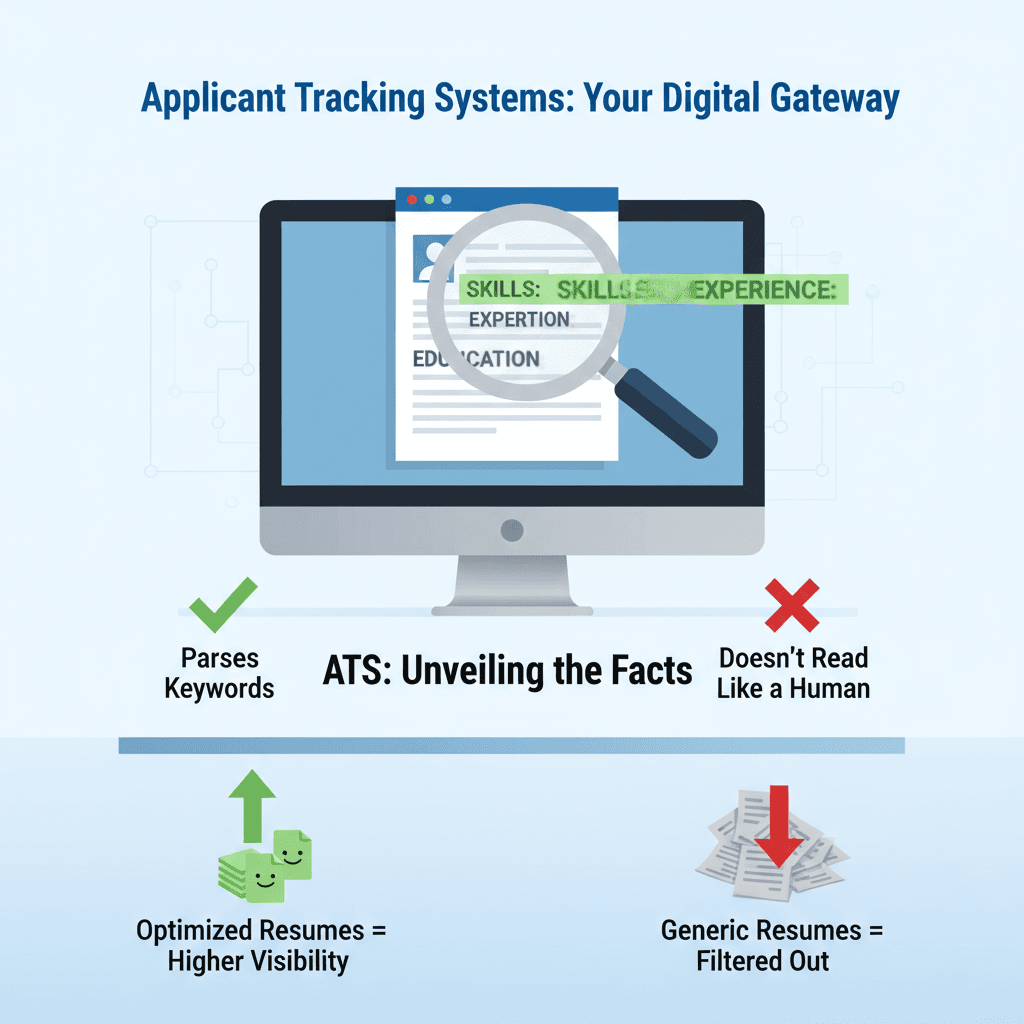
Employer demands are also reflected in how companies find and evaluate candidates. Applicant tracking systems and AI-driven screening tools have become standard, meaning your resume must be optimized for both human readers and automated systems.
Understanding how these systems work and tailoring your application materials accordingly is now a critical part of job search success. This includes using relevant keywords naturally, formatting for readability, and clearly demonstrating the skills employers are seeking.
Sources
- Job Search Tips & Advice for 2026: Smarter Strategies to Find a Job
- Skills You Should Learn in 2026 to Get Hired Faster## Digital Literacy and Tech Fluency
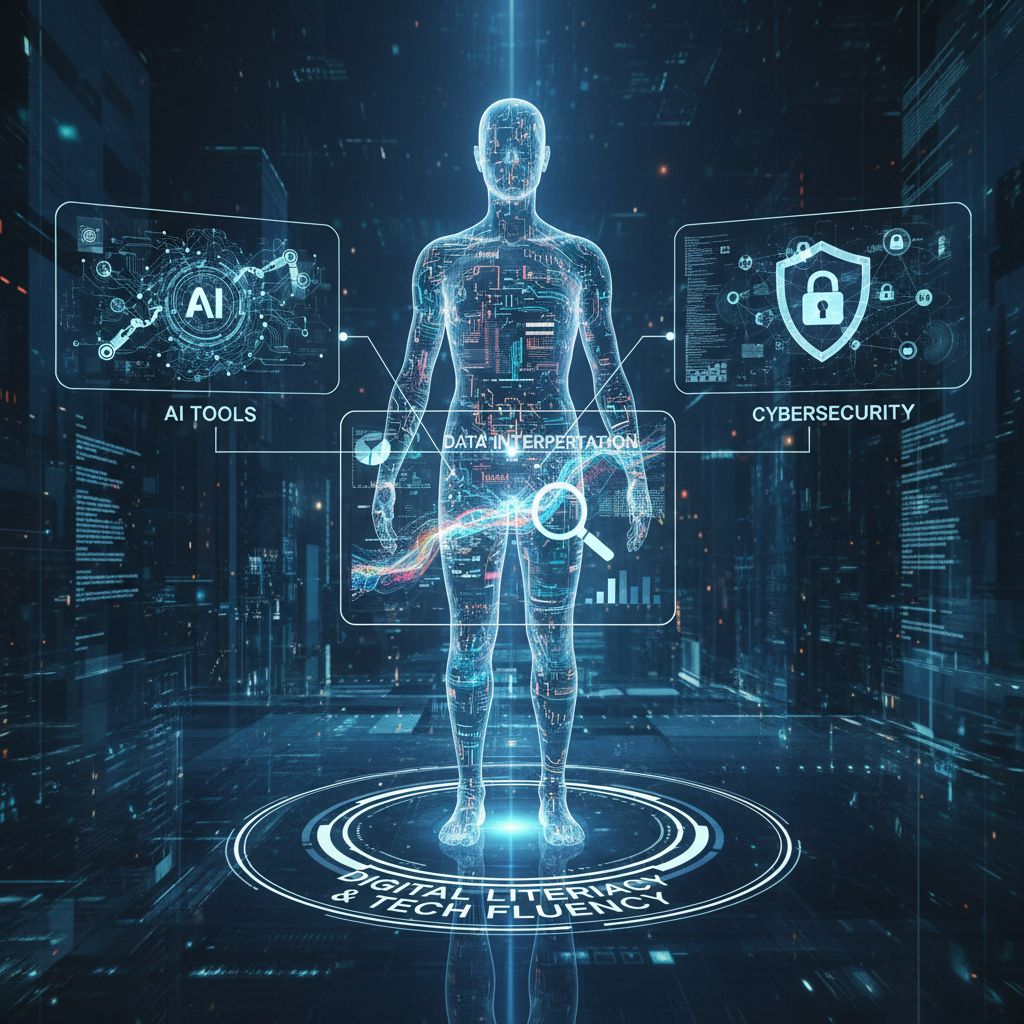
Digital literacy in 2026 goes far beyond knowing how to use Microsoft Office or send emails. Employers now expect candidates to navigate AI-powered tools, interpret data insights, understand cybersecurity fundamentals, and adapt quickly to new platforms and technologies.
The rapid integration of artificial intelligence into everyday workflows means professionals must be comfortable using AI tools for tasks like content generation, data analysis, and process automation. This isn't about becoming a programmer—it's about understanding how to leverage technology to work more efficiently and make better decisions.
What Digital Literacy Encompasses Today
Modern digital literacy includes several interconnected competencies. AI tool navigation means understanding how to prompt, refine, and validate outputs from generative AI systems. Data interpretation involves reading dashboards, understanding metrics, and drawing actionable conclusions from information.
Cybersecurity awareness has become essential across all roles, not just IT positions. Understanding basic security protocols, recognizing phishing attempts, and following data protection practices are now baseline expectations. Platform agility—the ability to quickly learn and adapt to new software systems—is equally critical as technology stacks evolve rapidly.
Demonstrating Tech Fluency on Your Resume
Rather than simply listing software names, show how you've applied digital tools to achieve results. Instead of writing "Proficient in Excel," describe how you "automated monthly reporting processes using advanced Excel functions, reducing analysis time by 40%."
Highlight instances where you adopted new technologies or trained others on digital tools. Phrases like "implemented AI-assisted workflow tools to streamline team collaboration" or "developed data visualization dashboards to improve stakeholder decision-making" demonstrate both technical competence and business impact.
Include specific platforms and tools relevant to your industry, but always connect them to outcomes. Employers want to see that you don't just know technology—you use it strategically to solve problems and drive results.
Sources
- 75+ Skills to Put on Resume in 2026: What Recruiters Actually Look For
- Job Market Trends in 2026: What Professionals Must Know## Emotional Intelligence and Interpersonal Skills
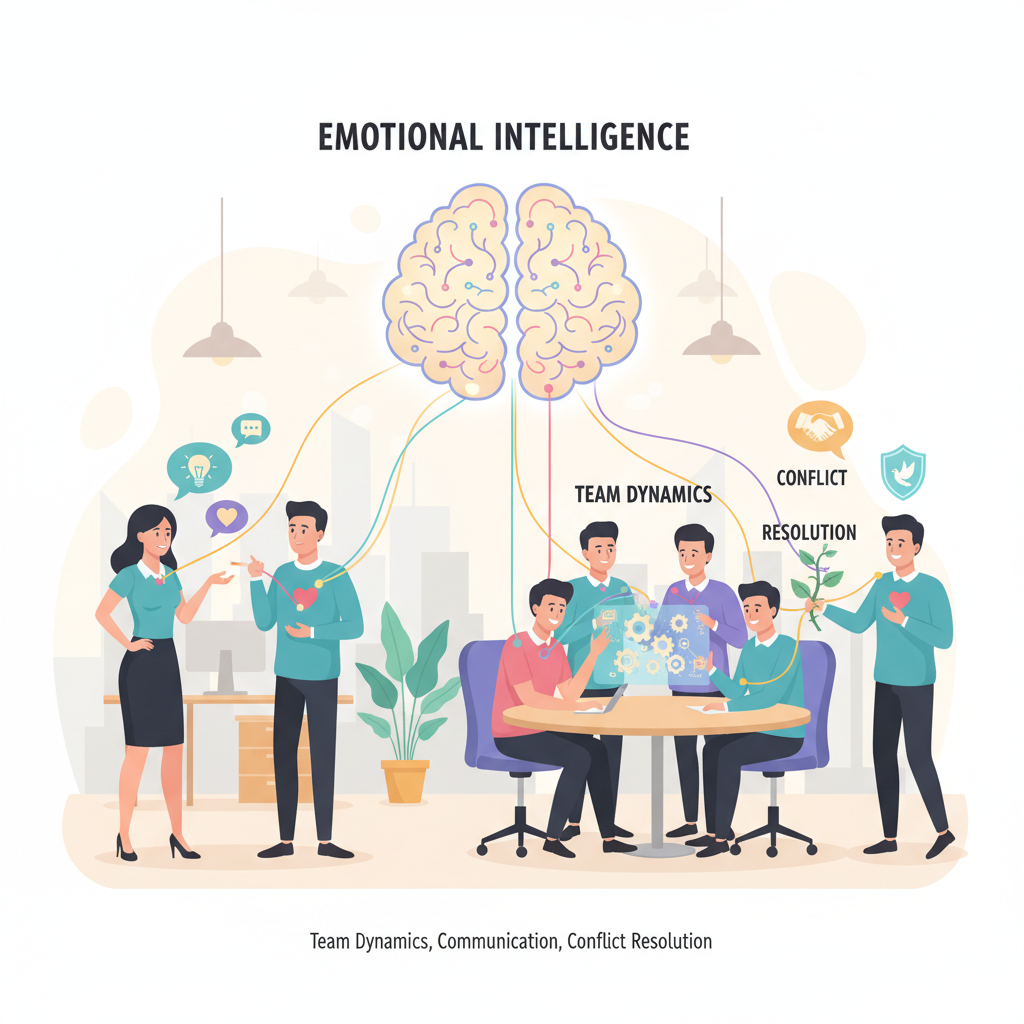
As workplaces become more diverse and distributed, emotional intelligence (EQ) has emerged as a non-negotiable skill for 2026. Employers are increasingly prioritizing candidates who can navigate complex interpersonal dynamics, manage diverse teams effectively, and build psychological safety in hybrid environments.
Emotional intelligence encompasses the ability to understand and manage your own emotions while recognizing and influencing the emotions of others. In practice, this means demonstrating empathy, active listening, and the capacity to resolve conflicts constructively. These skills are transferable across industries and prove essential when collaborating with remote colleagues or leading teams through organizational change.
Why EQ Matters in Modern Workplaces
The shift to hybrid communication models has made interpersonal skills more critical than ever. Without the benefit of in-person cues, professionals must rely on heightened emotional awareness to read virtual room dynamics, interpret written tone accurately, and maintain team cohesion across time zones.
Managing diverse teams requires cultural sensitivity and the ability to create inclusive environments where all voices feel heard. Conflict resolution skills help prevent small misunderstandings from escalating, while building psychological safety encourages innovation and honest feedback.
Demonstrating EQ on Your Resume
Rather than simply listing "emotional intelligence" in your skills section, showcase it through concrete examples in your experience bullets. Highlight instances where you:
- Facilitated difficult conversations that led to productive outcomes
- Mentored team members through professional challenges
- Implemented feedback mechanisms that improved team morale
- Mediated conflicts between stakeholders with competing priorities
- Built trust across cross-functional or geographically dispersed teams
For example: "Resolved interdepartmental conflicts by facilitating weekly alignment meetings, resulting in improved project delivery timelines and stronger working relationships."
Or: "Mentored five junior team members through organizational restructuring, providing emotional support and career guidance that led to 100% retention during transition period."
The key is demonstrating impact. Show how your interpersonal skills translated into measurable improvements in team performance, employee satisfaction, or project success. This approach helps hiring managers see the tangible value you bring beyond technical capabilities.
Sources
- Skills to Put on a Resume Employers Will Actually Read
- Best Skills for Resume (Plus Examples)## Adaptability and Continuous Learning
The pace of change in today's workplace has accelerated dramatically, making adaptability one of the most valuable skills employers seek in 2026. Industries are transforming faster than ever, with new technologies, methodologies, and market dynamics emerging constantly. Professionals who can pivot quickly, embrace change, and continuously update their skill sets position themselves as indispensable assets to any organization.
Adaptability isn't just about being flexible—it's about proactively seeking growth opportunities and demonstrating resilience when facing uncertainty. Employers value candidates who view challenges as learning experiences rather than obstacles. This mindset becomes particularly critical as automation and artificial intelligence reshape job roles, requiring workers to evolve alongside technological advancements.
The Rise of Microlearning and Continuous Skill Development
Microlearning has emerged as a practical approach to continuous education, allowing professionals to acquire new skills in manageable, focused increments. Rather than committing to lengthy certification programs, many successful candidates now supplement their expertise through short courses, webinars, and targeted training modules. This approach demonstrates initiative and a commitment to staying current in your field.
When highlighting continuous learning on your resume, focus on how you've applied new knowledge to create tangible results. Instead of simply listing courses completed, describe how a specific skill you learned led to process improvements, cost savings, or enhanced team performance. This approach shows employers that you don't just collect credentials—you actively implement what you learn.
Cross-Functional Experience and Versatility
Cross-functional experience has become increasingly valuable as organizations seek employees who can bridge departmental silos and contribute across multiple areas. Professionals who have worked in diverse roles or collaborated with various teams bring a broader perspective and can adapt more easily to changing organizational needs.
If you've gained experience outside your primary role—whether through special projects, temporary assignments, or volunteer initiatives—make sure to highlight these on your resume. Describe how this versatility enabled you to solve problems from different angles or brought fresh insights to your core responsibilities. Employers recognize that candidates with diverse experiences can navigate ambiguity more effectively.
Demonstrating a Growth Mindset on Your Resume
A growth mindset—the belief that abilities can be developed through dedication and hard work—is a quality employers actively seek. To showcase this mindset on your resume, focus on examples that illustrate your willingness to step outside your comfort zone and tackle unfamiliar challenges.
Consider including bullet points that describe situations where you took on responsibilities beyond your job description, volunteered for challenging assignments, or successfully transitioned into new roles. Use action verbs like "adapted," "transformed," "pioneered," or "evolved" to convey your proactive approach to change. Quantify the outcomes whenever possible to demonstrate the impact of your adaptability.
For instance, rather than stating "Learned new software," you might write "Mastered emerging project management platform within two weeks, enabling team to transition smoothly and maintain productivity during system migration." This approach shows not just that you learned something new, but that your quick adaptation delivered measurable value.
Staying Relevant in a Rapidly Changing Job Market
The job market of 2026 rewards professionals who treat learning as an ongoing journey rather than a destination. Employers understand that specific technical skills may become outdated, but the ability to learn quickly and adapt to new circumstances remains perpetually valuable. By cultivating and showcasing your adaptability and commitment to continuous learning, you signal to employers that you're prepared to grow with their organization and contribute effectively regardless of how the landscape shifts.
Sources
- Job Market Trends 2026: Complete Employment Outlook
- 15 Current Resume Trends for 2026 + Examples## Critical Thinking and Problem-Solving
As automation increasingly handles routine tasks, employers are placing a premium on skills that machines can't replicate: analytical thinking, creative problem-solving, and strategic decision-making. In the 2026 job market, your ability to analyze complex situations, identify root causes, and develop innovative solutions will set you apart from other candidates.
Critical thinking involves questioning assumptions, evaluating evidence, and considering multiple perspectives before reaching conclusions. Employers value professionals who can move beyond surface-level analysis to uncover deeper insights that drive business outcomes. This skill becomes particularly valuable when facing ambiguous challenges that don't have clear-cut solutions.
Problem-solving in today's workplace requires both creativity and structure. The most effective professionals combine analytical frameworks with innovative thinking to tackle challenges. Whether you're optimizing processes, resolving conflicts, or developing new strategies, demonstrating a systematic approach to problem-solving shows employers you can deliver results consistently.
Frameworks for Demonstrating Problem-Solving Skills
When showcasing these skills on your resume, use the CAR (Challenge-Action-Result) framework to structure your achievements. Start by describing the specific problem or challenge you faced, detail the analytical approach and actions you took, and conclude with measurable outcomes. This structure helps hiring managers understand both your thinking process and your impact.
Quantifiable achievements are essential for making your problem-solving skills tangible. Instead of stating "improved team efficiency," specify "analyzed workflow bottlenecks and implemented process changes that reduced project completion time by 30%." Numbers provide concrete evidence of your analytical capabilities and strategic thinking.
Highlight instances where you've identified opportunities others missed, challenged conventional approaches, or developed creative solutions to complex problems. These examples demonstrate the forward-thinking mindset that employers seek as they navigate an increasingly complex business landscape.
Building and Showcasing Analytical Skills
Develop your critical thinking abilities through diverse experiences. Cross-functional projects expose you to different perspectives and problem-solving approaches. Seeking feedback on your decision-making process helps you identify blind spots and refine your analytical framework.
On your resume, emphasize both the technical and soft aspects of problem-solving. Technical skills might include data analysis, research methodologies, or specific analytical tools. Soft skills encompass creativity, judgment, and the ability to synthesize information from multiple sources into actionable insights.
Consider including a brief case study or project highlight that walks through your problem-solving approach. This narrative format allows you to demonstrate your thinking process while providing context for your achievements. Focus on situations where your analytical skills led to significant business impact or innovative solutions.## Collaboration and Remote Teamwork
The shift to distributed work environments has fundamentally changed how employers evaluate collaboration skills. Remote teamwork is no longer a temporary adaptation—it's a core competency that organizations expect professionals to master by 2026. Employers are seeking candidates who can coordinate effectively across time zones, communicate clearly in digital spaces, and maintain productivity without constant supervision.
Asynchronous Collaboration
Asynchronous work—where team members contribute on different schedules rather than in real-time—has become the standard for many organizations. This approach requires strong written communication skills, the ability to document decisions clearly, and the discipline to stay aligned with team goals without immediate feedback. Professionals who excel at asynchronous collaboration understand how to structure their updates, anticipate questions, and create comprehensive documentation that keeps projects moving forward.
When demonstrating this skill, focus on your ability to maintain project momentum across different schedules. Highlight experiences where you coordinated deliverables with distributed teams or managed workflows that didn't rely on simultaneous availability.
Cross-Cultural Communication
Global teams bring diverse perspectives and approaches to problem-solving, but they also require heightened cultural awareness. Employers value professionals who can navigate different communication styles, respect varying work customs, and build trust across cultural boundaries. This skill extends beyond language proficiency to include understanding context, adapting your communication approach, and fostering inclusive team environments.
Effective cross-cultural communicators recognize that directness, formality, and decision-making processes vary significantly across cultures. They adjust their approach to ensure all team members feel heard and valued.
Virtual Leadership
Leading remote teams demands a different skill set than traditional in-office management. Virtual leaders must inspire engagement without physical presence, build team cohesion through digital channels, and create accountability structures that support autonomy. This includes setting clear expectations, providing regular feedback through video and written channels, and recognizing contributions in ways that resonate across digital platforms.
Demonstrate virtual leadership by highlighting how you've motivated distributed teams, facilitated productive virtual meetings, or mentored colleagues remotely. Show how you've built team culture and maintained morale in digital-first environments.
Digital Collaboration Tool Proficiency
Familiarity with collaboration platforms has evolved from a nice-to-have to an essential requirement. Employers expect candidates to navigate project management software, video conferencing tools, shared documentation systems, and communication platforms with ease. This proficiency goes beyond basic usage—it includes understanding how to choose the right tool for each situation, optimize workflows, and troubleshoot common technical issues.
Your ability to leverage these tools effectively signals that you can integrate seamlessly into existing team processes and contribute from day one.
Demonstrating Remote Work Success on Your Resume
To showcase collaboration and remote teamwork skills effectively, use specific examples that quantify your impact. Instead of simply listing "remote collaboration" as a skill, demonstrate it through your experiences. Include phrases like "collaborated" and "team coordination" within the context of your achievements to optimize for applicant tracking systems.
Structure your resume to highlight:
- Specific outcomes: Describe projects you completed with distributed teams and the results achieved
- Tools and platforms: Mention the collaboration software you've used in context of real accomplishments
- Scale and scope: Note the size of teams you've worked with and any cross-functional or international dimensions
- Leadership moments: Include instances where you facilitated virtual meetings, onboarded remote team members, or coordinated across time zones
For example, rather than writing "Experienced in remote teamwork," frame it as "Coordinated cross-functional team of 12 members across four time zones to deliver project three weeks ahead of schedule using asynchronous workflows."
By 2026, the ability to collaborate effectively in remote and hybrid environments will be a baseline expectation across most industries. Professionals who can demonstrate proven success in virtual teamwork—through concrete examples and measurable outcomes—will stand out in an increasingly competitive job market.
Sources
- How To Demonstrate Teamwork Skills on Your Resume## Top Job Market Skills by Industry
Understanding which skills employers prioritize in your specific industry can help you focus your professional development efforts and tailor your resume more effectively. While foundational skills like digital literacy and emotional intelligence span all sectors, each industry has unique demands shaped by its challenges, technologies, and workflows.
Technology Sector
The tech industry continues to evolve rapidly, with employer demands shifting toward specialized technical competencies combined with strong soft skills. Programming languages, cloud computing proficiency, and cybersecurity knowledge remain essential technical foundations. However, tech employers increasingly seek candidates who can bridge technical and business functions—professionals who understand both code and customer needs.
Critical thinking and problem-solving abilities are particularly valued in tech roles, where professionals must diagnose complex system issues, optimize performance, and innovate solutions. Collaboration skills have become equally important as development teams work across time zones and disciplines, requiring clear communication and the ability to translate technical concepts for non-technical stakeholders.
Healthcare Industry
Healthcare employers prioritize a blend of technical medical knowledge and interpersonal competencies. Digital literacy has become non-negotiable as electronic health records, telemedicine platforms, and diagnostic technologies transform patient care delivery. Healthcare professionals must navigate these systems efficiently while maintaining the human connection that defines quality care.
Emotional intelligence stands out as a critical skill in healthcare settings, where professionals interact with patients during vulnerable moments, collaborate with multidisciplinary teams, and manage high-stress situations. Adaptability is equally important as healthcare protocols, regulations, and treatment approaches evolve based on new research and public health needs.
Financial Services
The finance sector demands strong analytical capabilities combined with technological fluency. Professionals must interpret complex data sets, assess risk, and make evidence-based recommendations. As financial technology reshapes banking, investment, and insurance services, employers seek candidates comfortable with automation tools, data analytics platforms, and emerging technologies like blockchain.
Regulatory knowledge and ethical judgment remain foundational in finance, where professionals navigate compliance requirements and maintain client trust. Communication skills are increasingly valued as financial advisors and analysts must explain sophisticated concepts to clients with varying levels of financial literacy.
Creative Industries
Creative fields—including marketing, design, content creation, and media production—now require a hybrid skill set that combines artistic vision with technical execution. Digital tool proficiency is essential, as creative professionals work with design software, content management systems, video editing platforms, and social media analytics tools.
Adaptability and continuous learning are particularly important in creative industries, where platforms, algorithms, and audience preferences shift rapidly. Employers value professionals who can pivot strategies based on performance data, experiment with new formats, and stay current with emerging trends. Collaboration skills matter greatly as creative projects typically involve cross-functional teams including designers, writers, strategists, and technical specialists.
Service and Hospitality Sectors
Service industries prioritize interpersonal skills and customer-centric mindsets. Emotional intelligence enables service professionals to read customer needs, handle complaints gracefully, and create positive experiences that build loyalty. Communication skills—both verbal and written—are essential for clear interaction with diverse clientele.
Digital literacy has become increasingly important in service sectors as businesses adopt reservation systems, point-of-sale technologies, customer relationship management platforms, and digital payment solutions. Problem-solving abilities help service professionals address unexpected situations, accommodate special requests, and resolve conflicts efficiently. Adaptability is valued as service professionals often work in dynamic environments with fluctuating demands and diverse customer expectations.
Identifying Your Priority Skills
To determine which skills matter most for your career path, research job postings in your target industry and note recurring requirements. Pay attention to both technical skills specific to your field and transferable skills that appear across multiple roles. Consider how emerging technologies and market shifts might reshape your industry's skill demands over the next few years, and invest in learning that positions you ahead of these trends.
By aligning your skill development with industry-specific employer demands, you can build a compelling professional profile that resonates with hiring managers in your target sector.## Showcasing These Skills on Your Resume
Once you've identified the skills employers demand in 2026, the next challenge is presenting them effectively on your resume. Simply listing skills in a dedicated section isn't enough—you need to demonstrate how you've applied them in real-world situations. Strategic placement, concrete examples, and optimization for applicant tracking systems (ATS) can make the difference between your resume landing in the interview pile or being overlooked.
Use the CAR Method to Demonstrate Skills
The Context-Action-Result (CAR) method provides a powerful framework for showcasing your skills through specific accomplishments. Start by describing the context or challenge you faced, explain the action you took using relevant skills, and conclude with the measurable result you achieved.
Before: "Responsible for improving team communication and project outcomes."
After: "Implemented a digital collaboration platform that streamlined cross-departmental communication, reducing project turnaround time by 25% and increasing team satisfaction scores."
The revised version demonstrates digital literacy, collaboration skills, and problem-solving while providing quantifiable impact. This approach speaks directly to employer demands by showing rather than telling.
Quantify Your Impact Wherever Possible
Numbers and metrics transform vague claims into compelling evidence of your capabilities. Whether you're highlighting technical skills, leadership abilities, or adaptability, quantification adds credibility and makes your achievements memorable.
Instead of writing "Managed a team through organizational change," try "Led a team of 12 through a company-wide digital transformation, maintaining productivity levels and achieving a 95% employee retention rate during the transition period."
This revision demonstrates adaptability, leadership, and emotional intelligence—all critical employer demands for 2026—while providing concrete proof of success.
Optimize for Applicant Tracking Systems
Your resume needs to showcase technical abilities in a way that both ATS software and human reviewers can easily identify. ATS software searches for hard skills and specific keywords related to the job description, so strategic placement and terminology matter.
Incorporate relevant skills naturally throughout your resume:
- Professional Summary: Mention 2-3 top skills that align with the position
- Work Experience: Weave skills into your achievement statements
- Skills Section: Include a dedicated area with both hard and soft skills
- Project Highlights: Showcase technical proficiencies through specific initiatives
Customizing your resume ensures that you highlight the most relevant aspects of your background, speaking directly to both the needs of the employer and the requirements of their screening technology. Match the language used in the job posting when describing your skills and experiences.
Place Skills Strategically Throughout Your Resume
Skill integration should feel natural rather than forced. Your most impressive capabilities deserve prominent placement, but they should always appear within meaningful context.
Consider this structure:
- Opening Summary: Lead with your strongest skills that match employer demands
- Experience Section: Integrate 2-3 key skills per role through specific examples
- Skills Section: Organize by category (Technical, Leadership, Communication) for easy scanning
- Certifications/Training: Highlight recent skill development and continuous learning
This layered approach ensures that whether a recruiter spends six seconds or six minutes reviewing your resume, they'll encounter evidence of the skills they're seeking.
Avoid Generic Skill Claims
Phrases like "excellent communication skills" or "strong team player" have lost their impact through overuse. Employers want proof, not promises. Replace generic statements with specific demonstrations of how you've applied these abilities.
Generic: "Strong problem-solving skills and ability to work under pressure."
Specific: "Diagnosed and resolved a critical system outage affecting 500+ users within two hours, implementing a monitoring solution that prevented similar incidents for the following 18 months."
The specific version demonstrates critical thinking, technical proficiency, and the ability to perform under pressure—all without using tired buzzwords.
Before and After: Complete Example
Before:
Marketing Coordinator
- Managed social media accounts
- Good at working with teams
- Helped with digital marketing campaigns
- Adaptable and quick learner
After:
Marketing Coordinator
- Developed and executed a multi-channel digital marketing strategy across four social platforms, increasing engagement by 40% and generating 200+ qualified leads per quarter
- Collaborated with cross-functional teams of designers, developers, and sales professionals to launch three major product campaigns, each exceeding revenue targets
- Adapted campaign strategies in response to real-time analytics, pivoting messaging and targeting to improve conversion rates by 30% mid-campaign
- Completed certifications in Google Analytics and marketing automation tools to enhance data-driven decision-making capabilities
The revised version transforms generic claims into compelling evidence of digital literacy, collaboration, adaptability, and continuous learning—exactly what employers demand in 2026.
Sources
- How to Present Hard Skills on Your Resume: What Employers Actually Want in 2026
- Boost your job search: customizing resumes with AI & ATS## Conclusion
The job market of 2026 will favor versatile professionals who seamlessly blend technical capabilities with strong human skills. As we've explored throughout this guide, employer demands are shifting toward candidates who demonstrate digital literacy, emotional intelligence, adaptability, critical thinking, and collaborative prowess. These aren't isolated competencies—they work together to create well-rounded professionals who can thrive in dynamic, technology-driven environments.
Understanding these evolving employer demands has not only enriched my approach to career coaching but also reinforced the idea that staying ahead in the job market requires continuous learning and adaptability. By preparing now for what 2026 has in store, professionals can position themselves as invaluable assets to any organization.
The most successful candidates won't just possess these skills—they'll know how to showcase them effectively. Your resume must tell a compelling story through specific examples, quantifiable outcomes, and strategic keyword placement that passes both ATS systems and human reviewers.
Take Action Today
Don't wait until 2026 arrives to assess your readiness. Start with these immediate steps:
- Audit your current resume against the skills outlined in this guide. Identify which competencies you've demonstrated and which need stronger evidence.
- Identify your skill gaps honestly. Where do you need development? Which areas would benefit from formal training or practical experience?
- Create a learning plan that addresses these gaps. Whether through online courses, certifications, mentorship, or hands-on projects, commit to continuous development.
- Update your resume strategically using the CAR method and industry-specific keywords that align with your target roles.
- Practice articulating your skills in interview settings, focusing on concrete examples that demonstrate impact.
The professionals who thrive in 2026 will be those who recognize that career development is an ongoing journey, not a destination. By investing in yourself today—building both your technical toolkit and your human skills—you'll position yourself as the versatile, adaptable candidate that employers are actively seeking.
Your career success in the evolving job market starts with the choices you make right now. Take inventory, take action, and take control of your professional future.\n\n<a id=#### Sources\n\n#### Sources
Related reading: Resume Analysis: 9 Simple Expert Tips for Ultimate Improvement, Employer Demands: 12 Essential Skills for the Best Career

Written by
Emily Johnson
Published February 21, 2026 · 26 min read
Emily Johnson is a seasoned career strategist with over a decade of experience in recruitment and talent acquisition. With a background in human resources, she excels at helping professionals refine their job search strategies, from crafting compelling resumes to mastering interview techniques. As an expert in Applicant Tracking Systems (ATS), Emily is dedicated to guiding individuals toward their dream careers.
Want this kind of read on your résumé?
We'll tell you what's actually working, what's holding you back, and what to fix — in plain English.
Get My Job Match ScoreYou Might Also Like
More articles to help you advance your career
ATS Myths: Surprising Practical Misconceptions Debunked
Discover the truth about ATS myths and learn how applicant tracking systems really work with our practical guide to common misconceptions and realities.

Project Manager Resume Template: 12 Surprising Practical Tips
Master your project manager resume template with 12 surprising practical tips. Learn proven strategies to craft a standout application that gets results.

Data Analyst Resume Template: 12 Surprising Practical Tips
Discover why a generic data analyst resume template won't work and learn 12 surprising, practical tips to tailor your resume for career success.

Role Targeted Resume: Best Expert Guide for Job Applications
Master the role targeted resume approach to enhance your job applications. Learn expert strategies to optimize resumes for specific roles and industries.